Skin Layer Pathway Figurev1.0.1
Use this Skill to make explainer graphics.
A textbook-style skin cross-section that maps a reviewed mechanism layer by layer: a figure skill for Claude Fable 5 that keeps claim status visible and gives no diagnosis or advice.
Picked most often by
Updated Oct 30, 2026
Preview gallery


 FAL
Similar Skills
View all
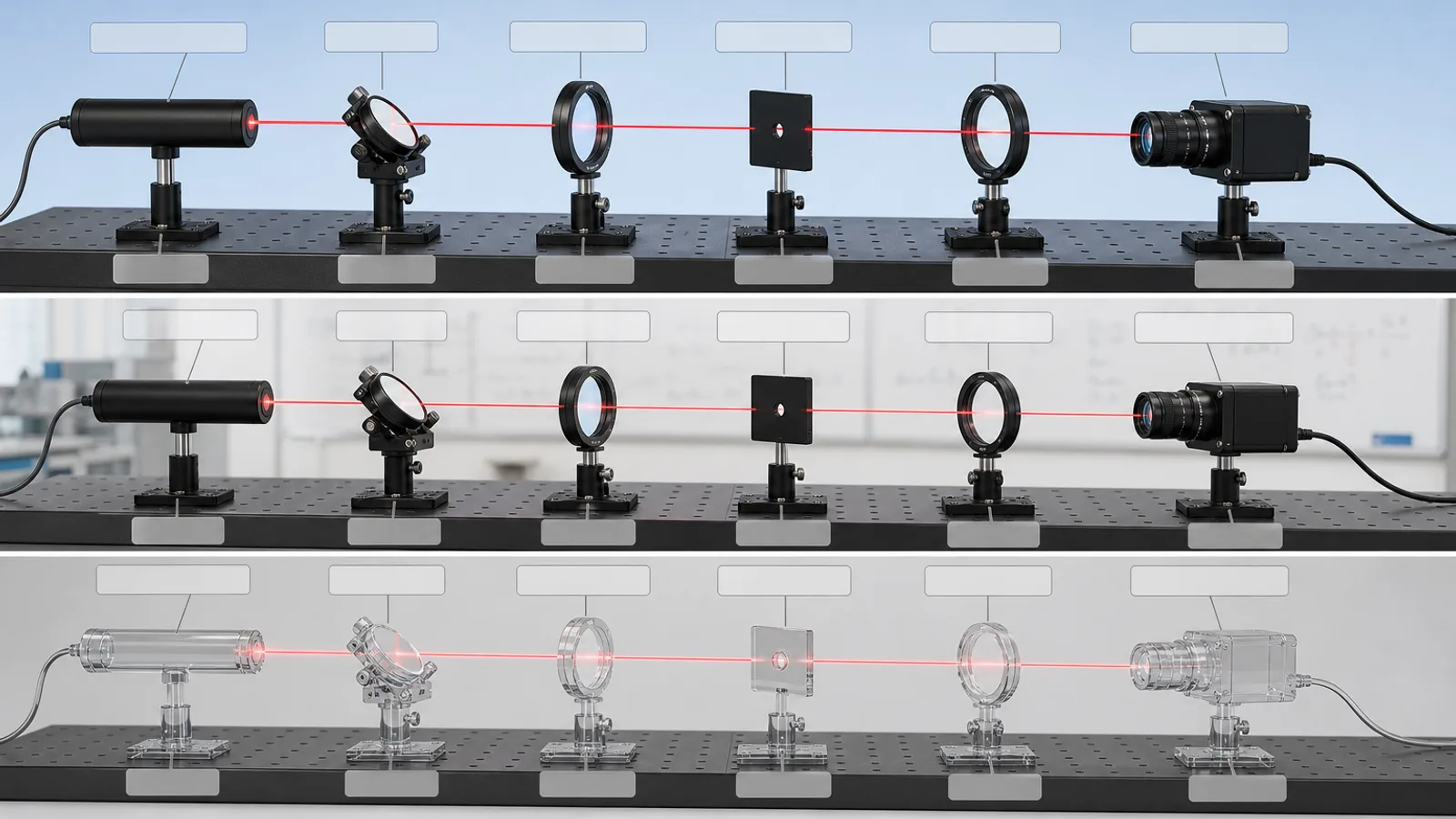
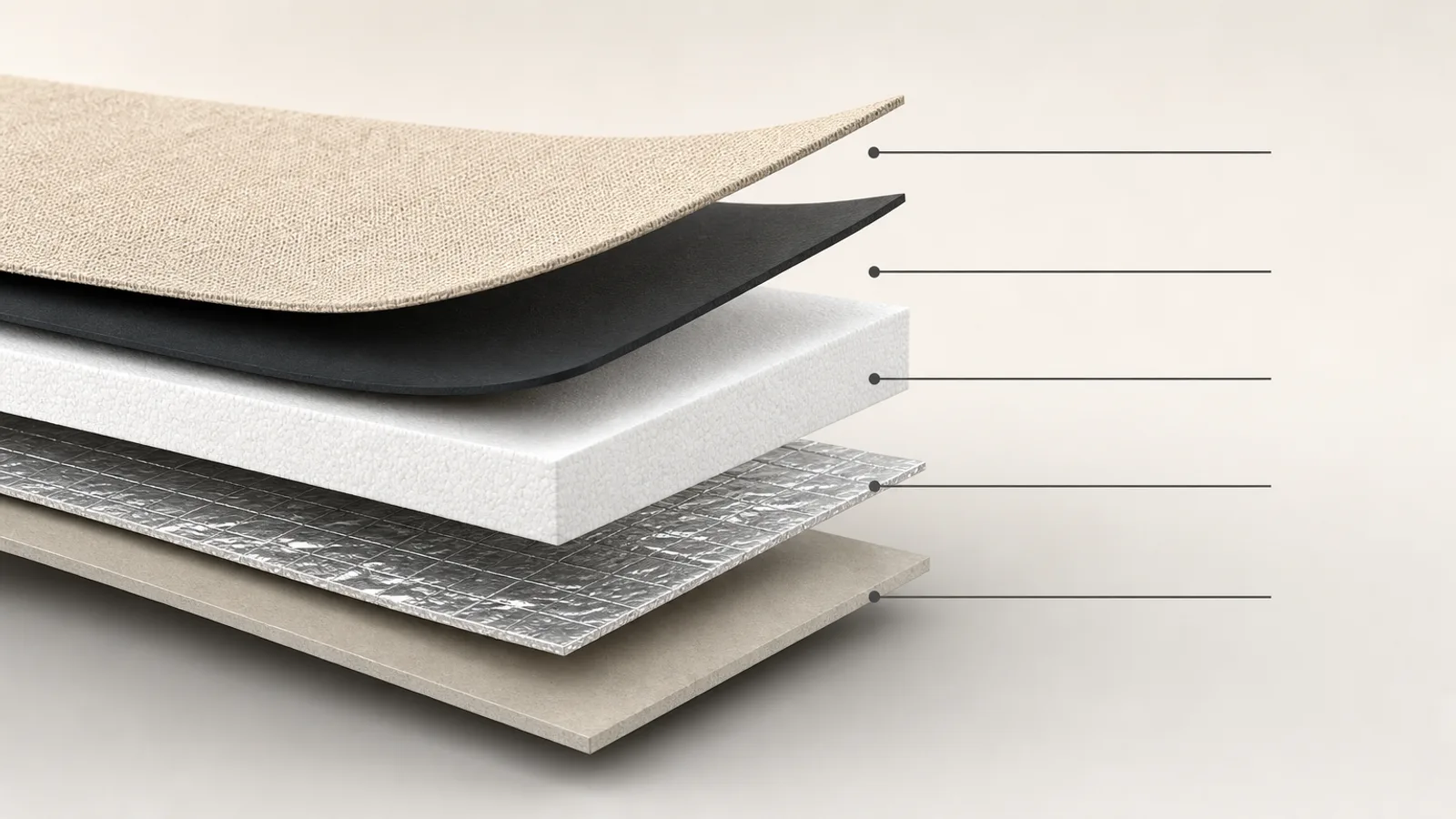
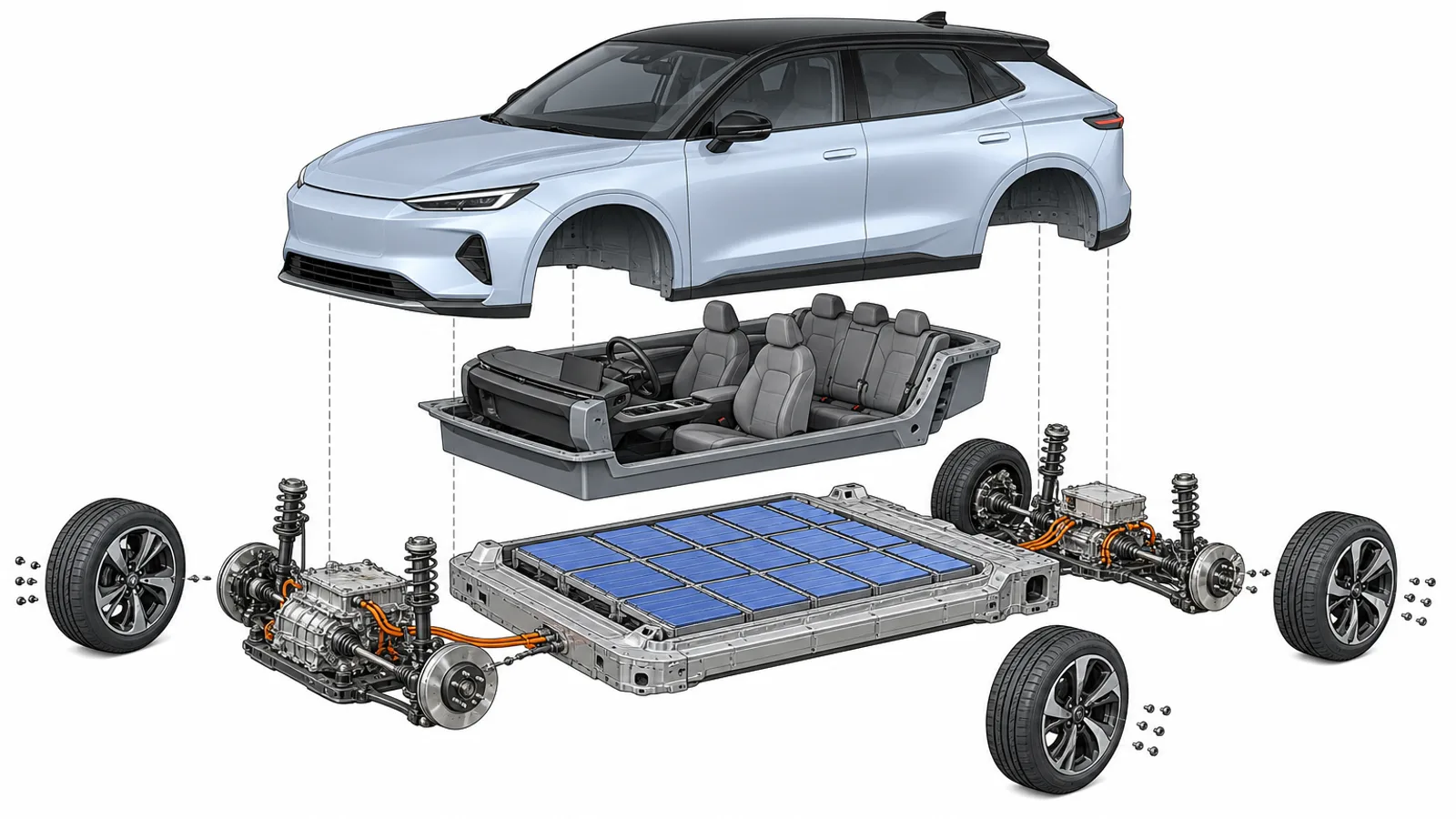

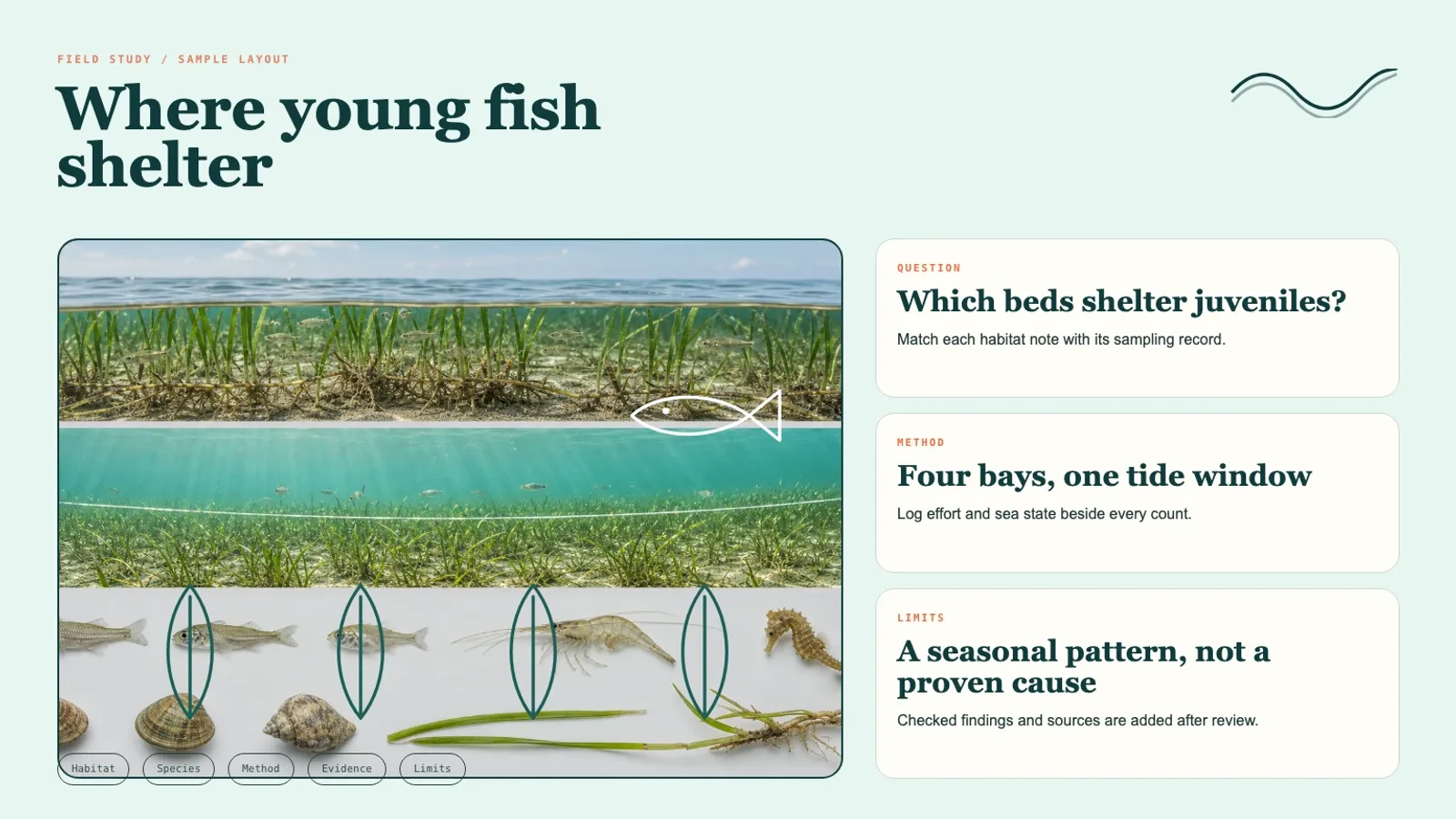

What you get
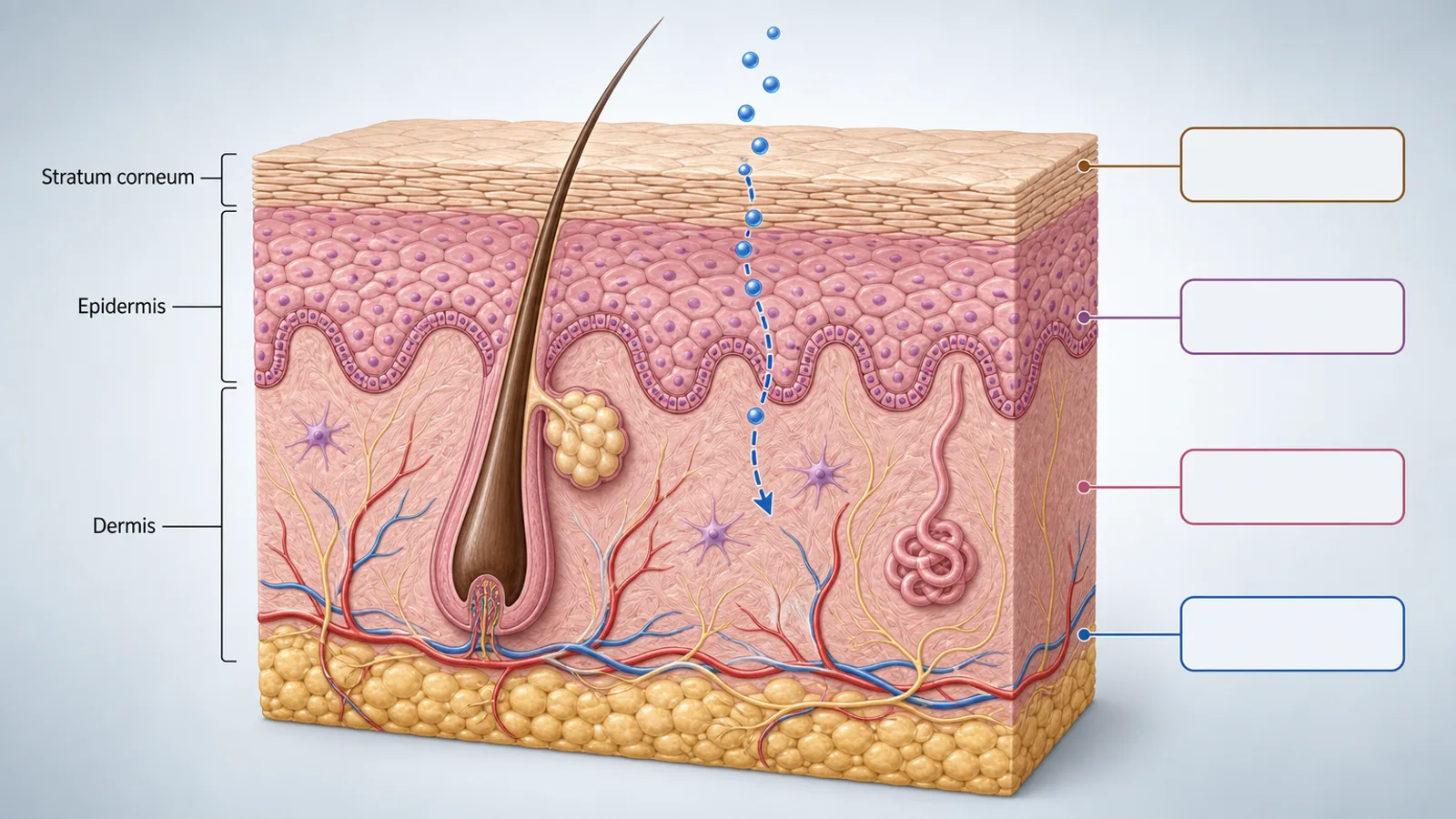
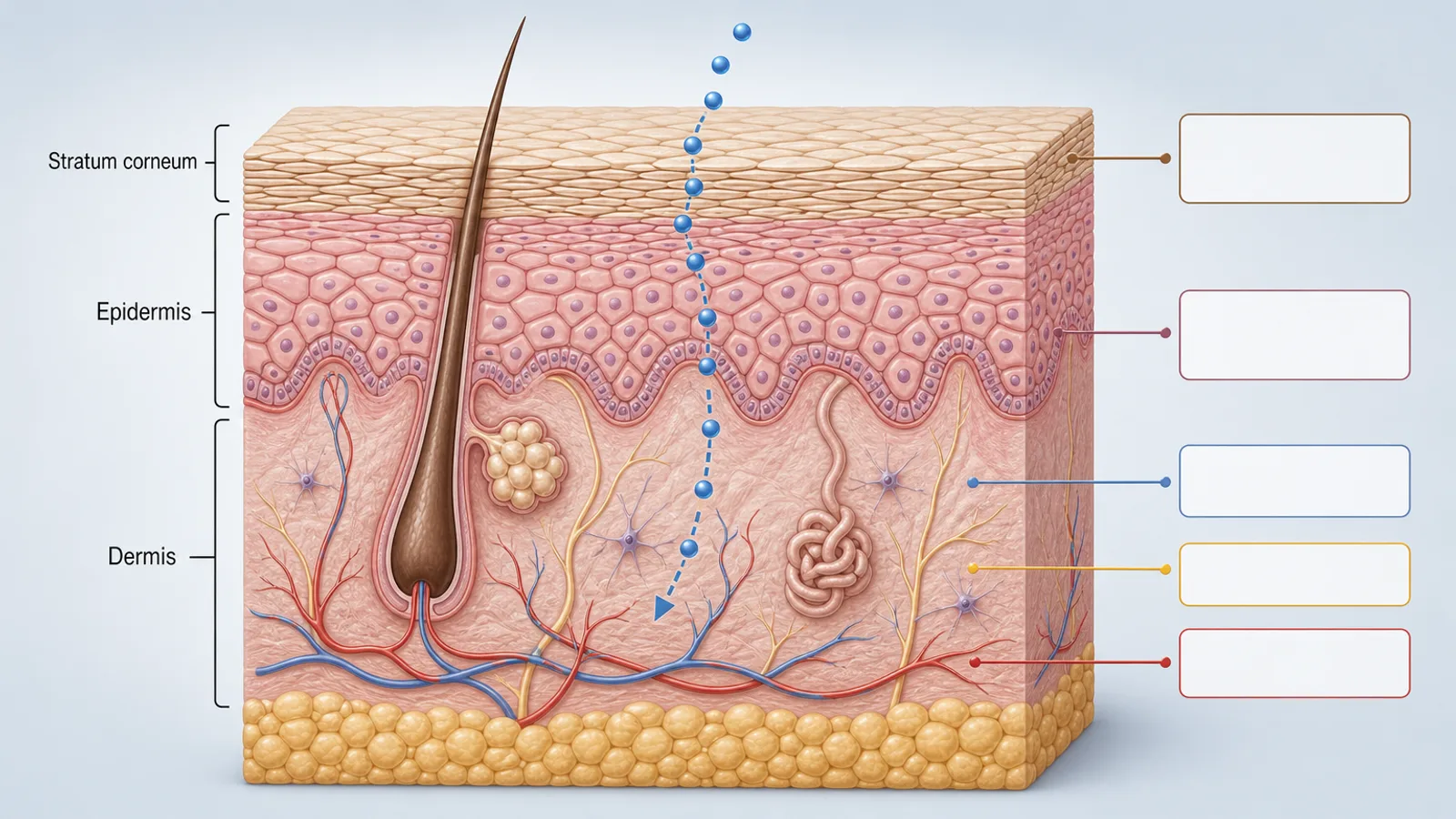
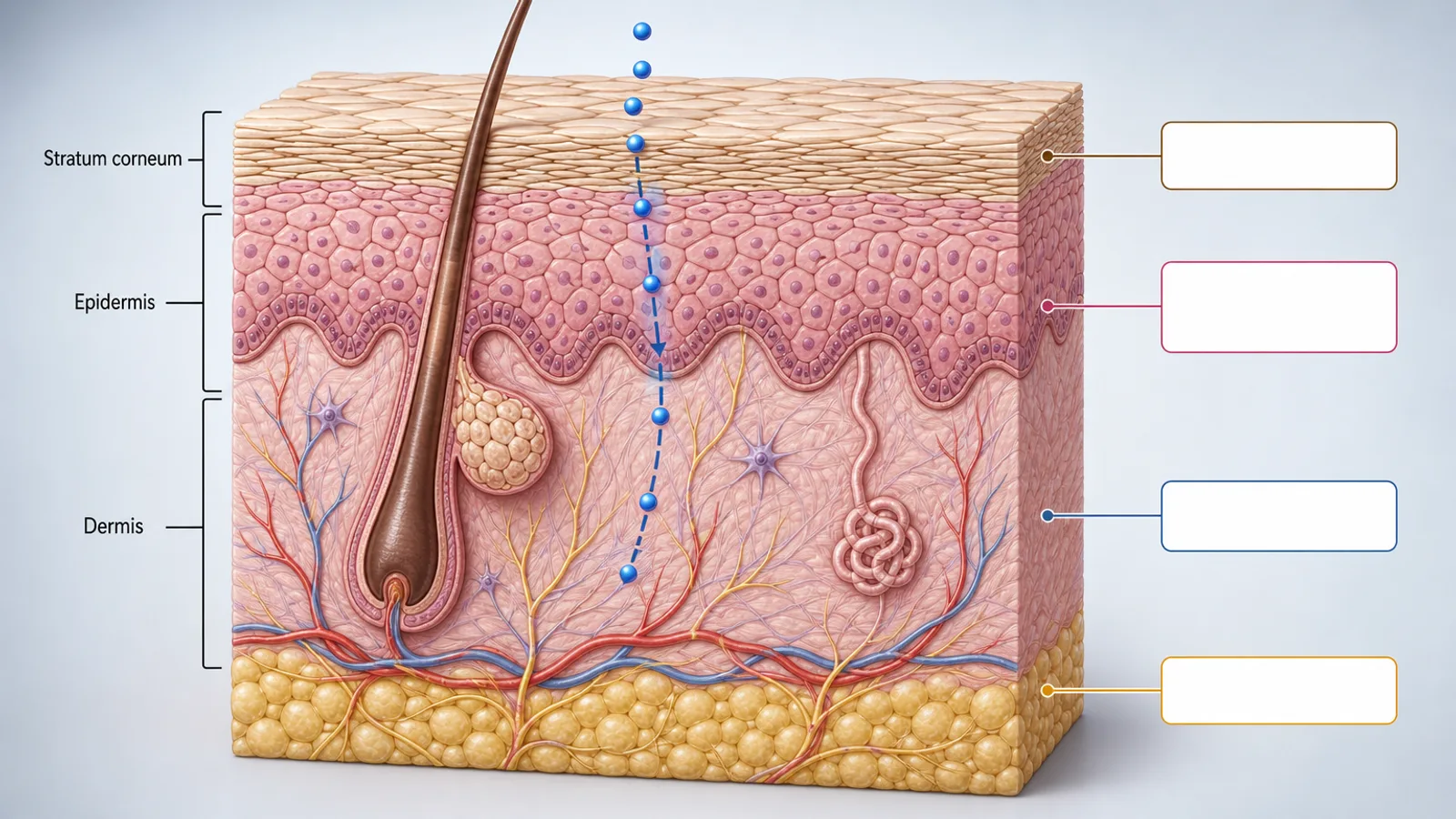
- Three 16:9 PNG cross-sections (1536×864) with the main skin layers clearly apart
- Zones for pathway, citations, limits and claim status, typeset after generation
- No products, patients or efficacy numbers; plus the evidence table and open questions
Good fit
- Dermatology researchers preparing a talk, poster or review figure
- Science communicators explaining a reviewed skin mechanism
- Skincare content marketers whose claims have already been through review
Not for
- Diagnosis, treatment advice or any clinical decision
- Before-and-after results, or efficacy figures, timelines or targets with no citation
- Patient imagery, invasive procedures or misleading medical pictures in advertising
About this Skill
Every statement on this figure starts in a claim ledger: its source, the population or model studied, the endpoint, the limits and a status of established, emerging, hypothetical or marketing. The art is cut down to the anatomy, the site of action, the proposed route and what was measured, with established and hypothetical steps in different arrow styles. The sample is a calm block of skin in section, from the flat outer layer down to a dermis with follicle, glands, vessels and nerves, crossed by a dotted trail of blue particles. One paid request returns three 1536×864 PNGs.
How it works
- Start with a claim ledger: every statement with its source, population or model, endpoint, limits and status.
- Reduce the figure to the anatomy, the site of action, the proposed pathway and the measured endpoint.
- Use clearly different arrow styles for established mechanisms and for hypothetical ones.
- Generate the anatomical artwork on its own, unlabeled, and add the exact scientific wording and citations later.
- Before any public or commercial use, get sign-off from a subject expert and a regulatory reviewer.
Checked before delivery
- Three separate 16:9 images with no unexpected logo, watermark or protected design
- Structure, order, counts and visual claims match the approved input table
- Exact labels, figures, citations and disclaimers are typeset after generation in a layout tool
- The images are delivered with the final evidence table and the unresolved points
What you need before you start
- You bring
- The approved statements on anatomy and mechanism · A citation for each biological or efficacy claim · The status of each claim: established, emerging, hypothetical, or marketing · The audience, the jurisdiction, and what review it needs
- Dependencies
- Your FAL account, with FAL_KEY set · Node.js 20 or later
- Outside costs
- FAL_KEY
- Last tested
- v1.0.1 — Claude Code / Codex / Cursor
User reviews
Loading reviews…
FAQ
What does the claim ledger need?
Your approved statements about anatomy and mechanism; a source for every biological or efficacy claim; a status for each claim, chosen from established, emerging, hypothetical or marketing; plus the audience, jurisdiction and required review. If an item is missing, the agent asks or leaves a visible check-this marker in its place.
Is the wording drawn into the image?
The callout boxes stay blank in the art. Exact labels, figures, references and disclaimers are set in type from the reviewed ledger after you choose a layout.
Can the figure support a medical or efficacy claim?
No. It organizes evidence that was reviewed; it does not diagnose, advise on treatment or prove that anything works.