Pencil Sketchnote Summaryv1.0.0
Use this Skill to make explainer graphics.
A sketchnote skill for Claude Fable 5 that turns a passage or page into one 4:3 drawing: fine pencil line art, a bold English headline and a few labels checked letter by letter.
Picked most often by
Updated Aug 25, 2026
Preview gallery
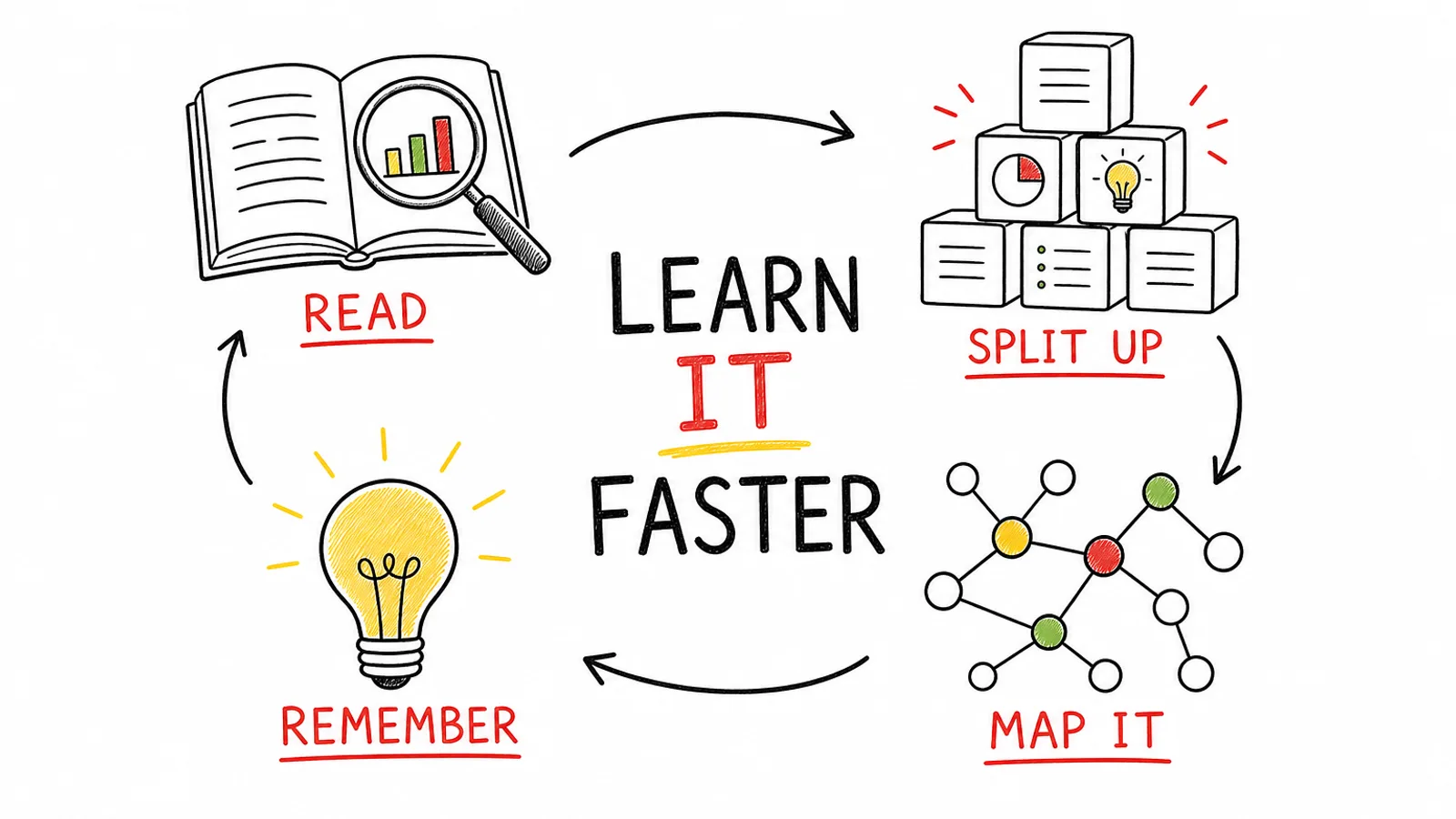
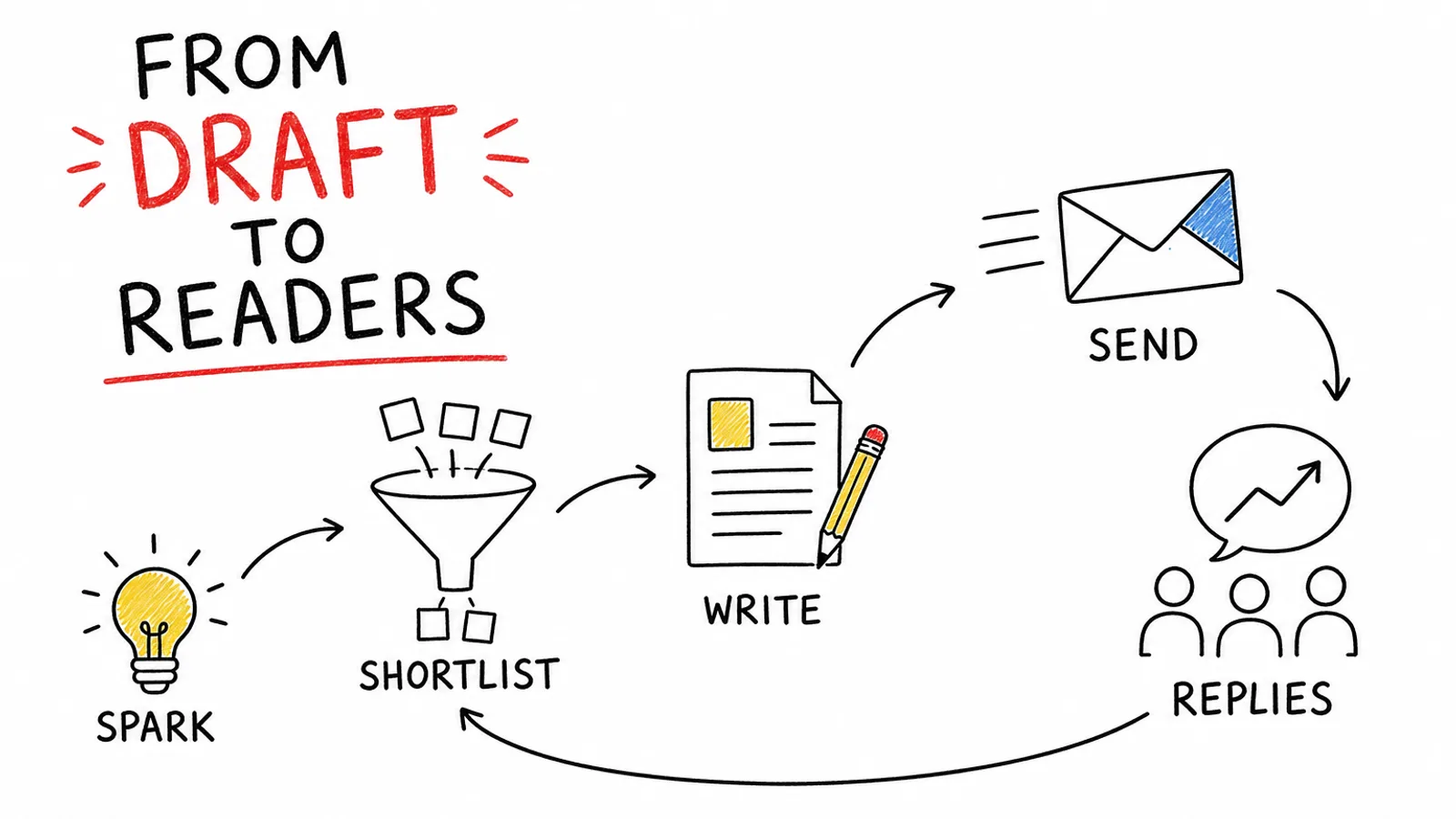
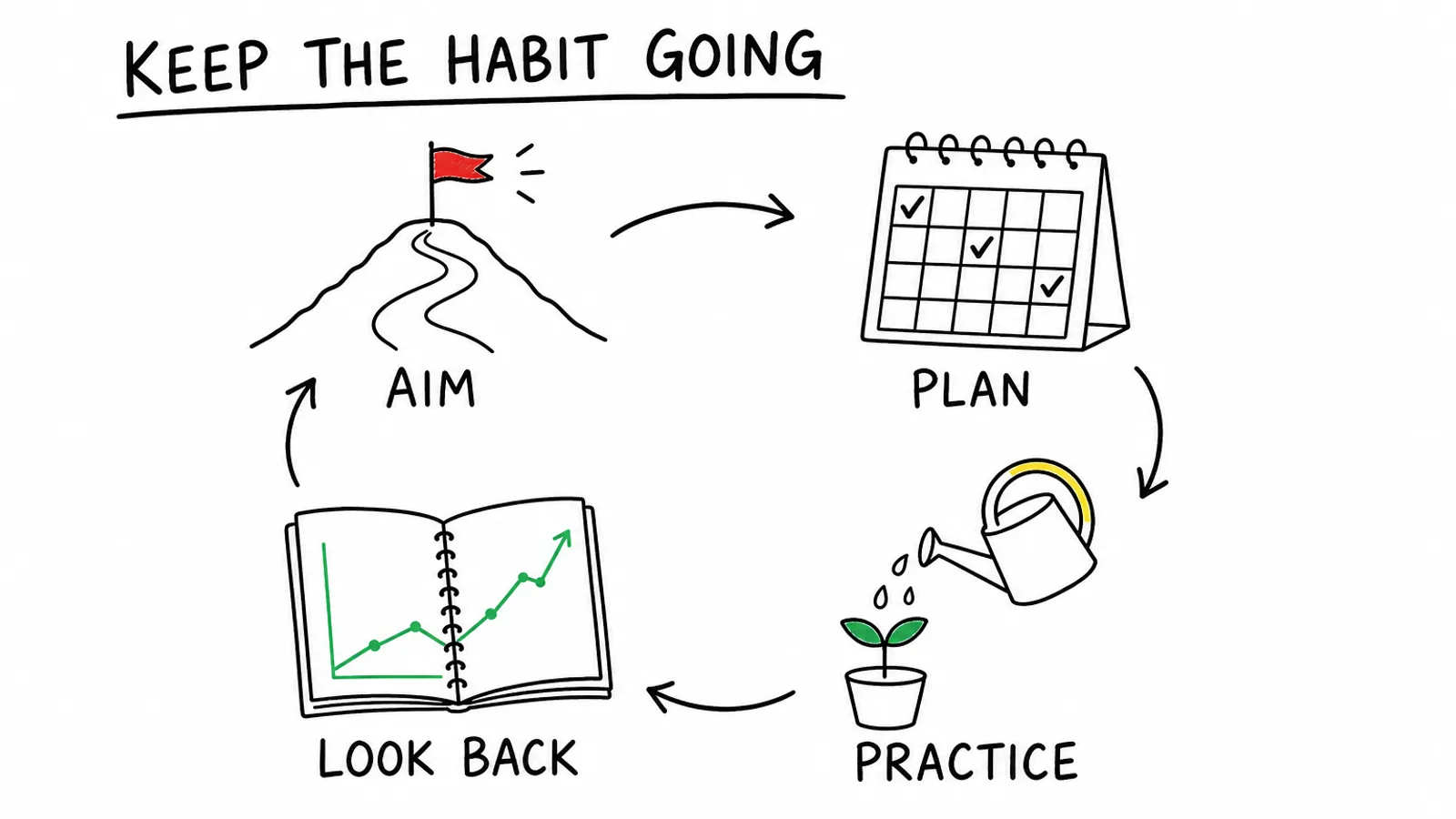


 FAL
Similar Skills
View all
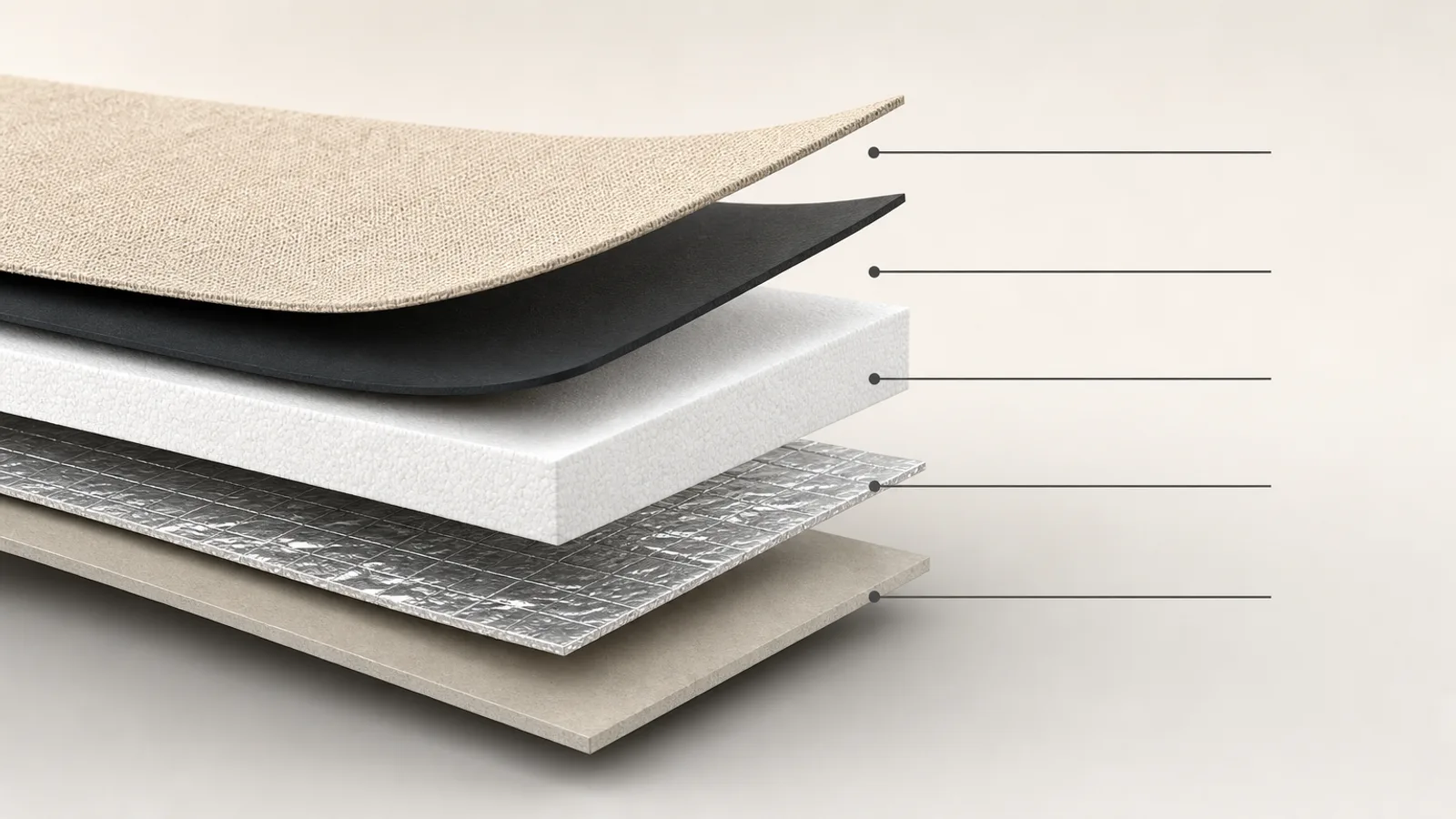
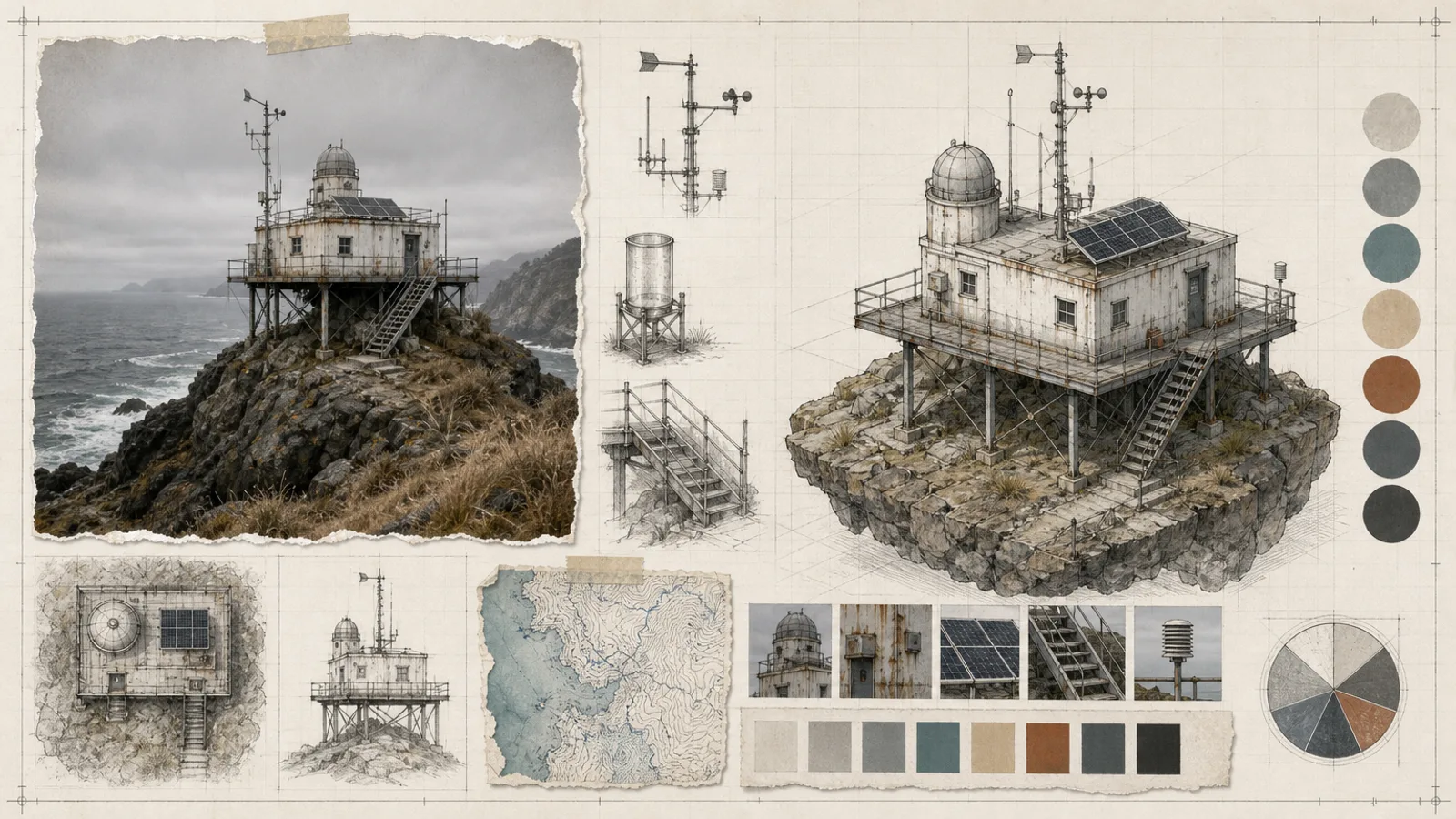
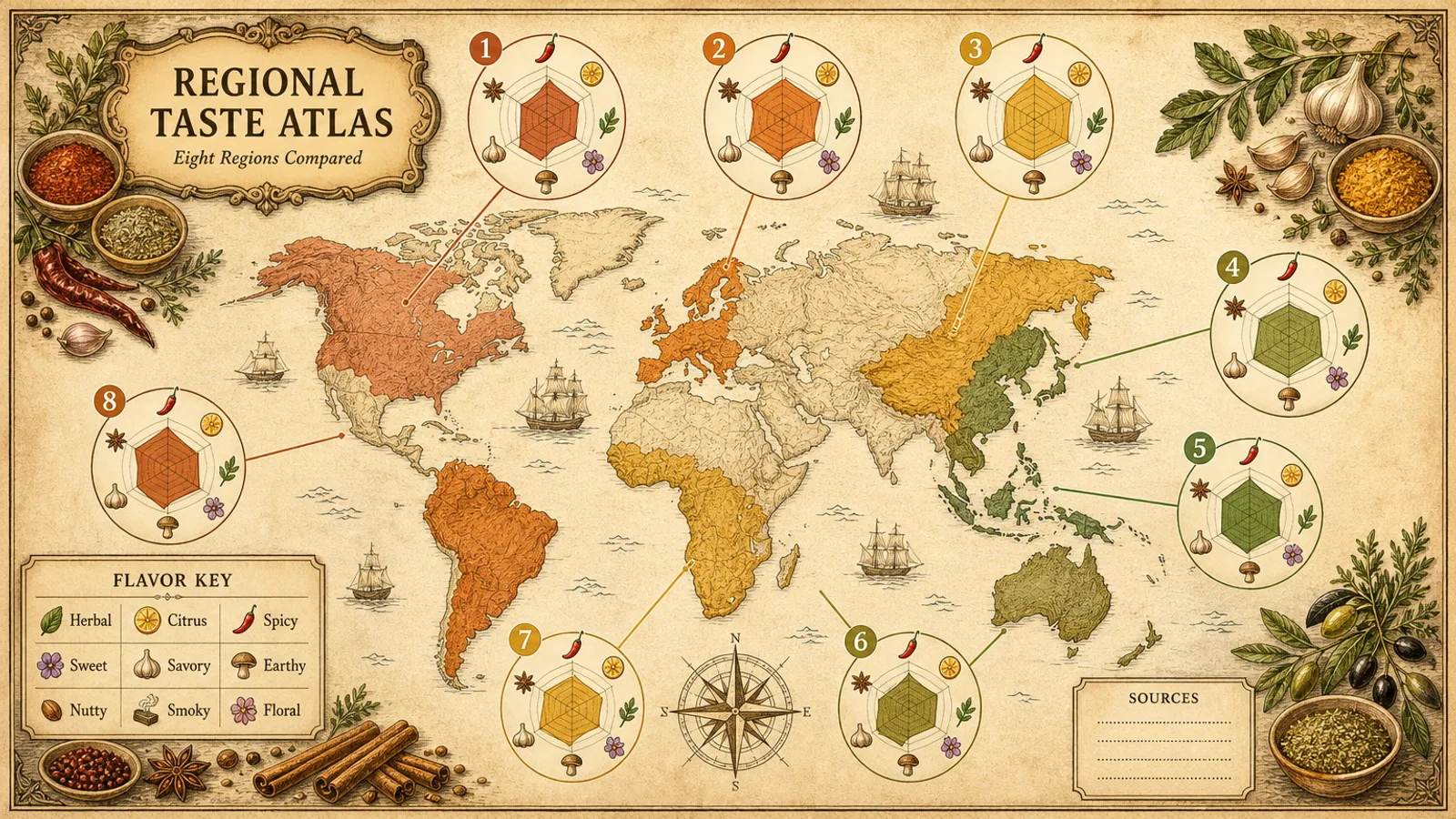
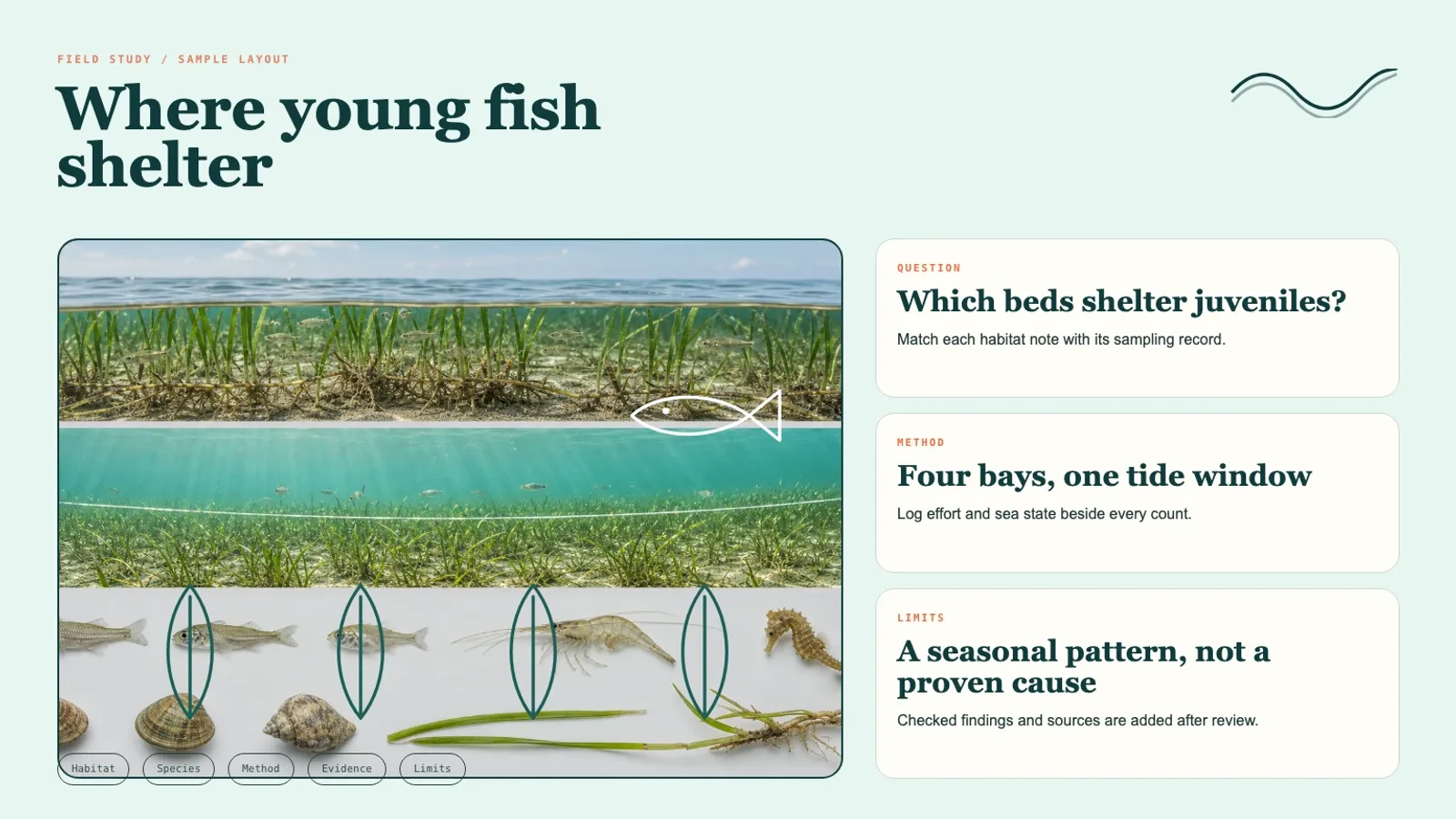
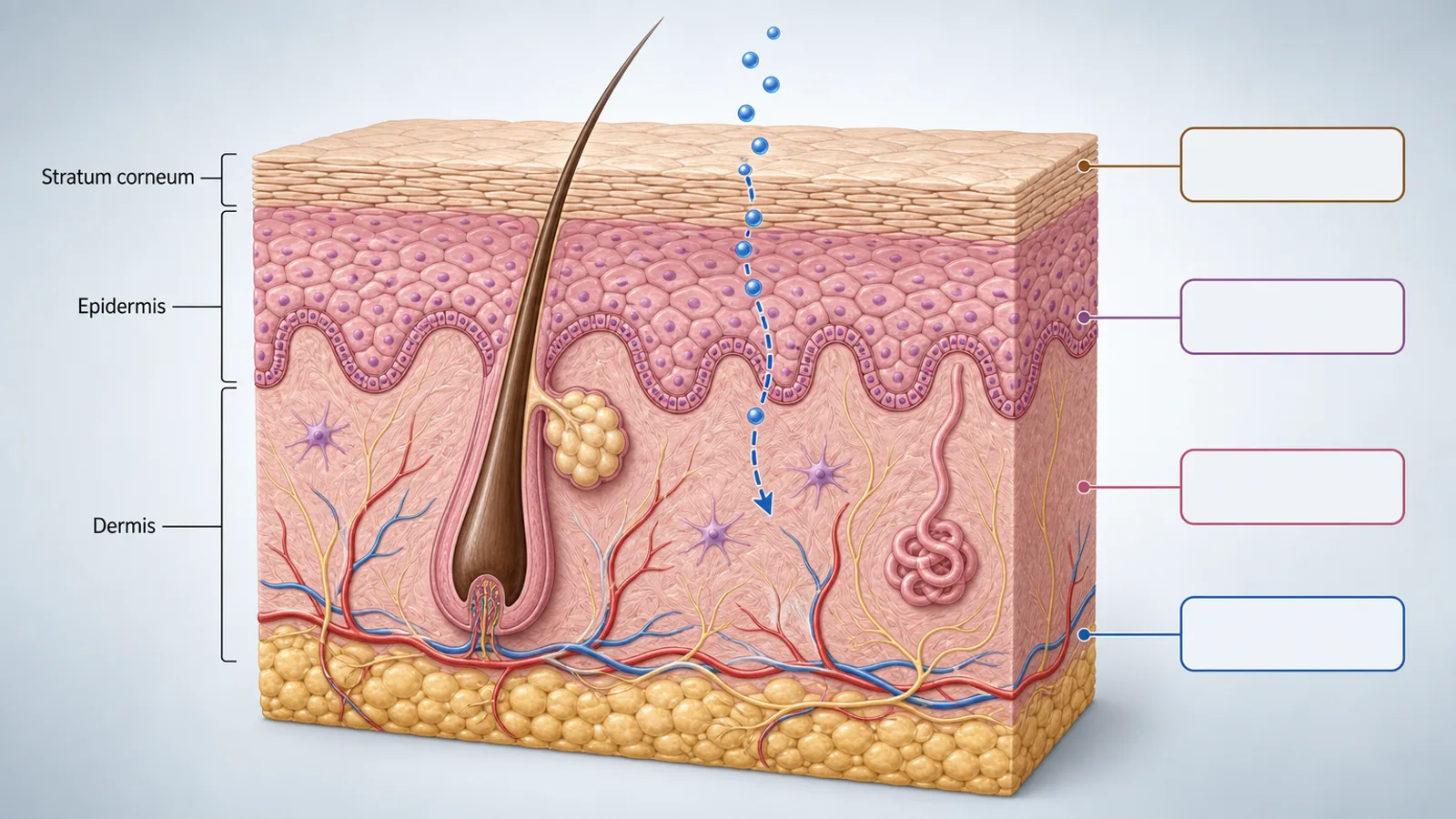
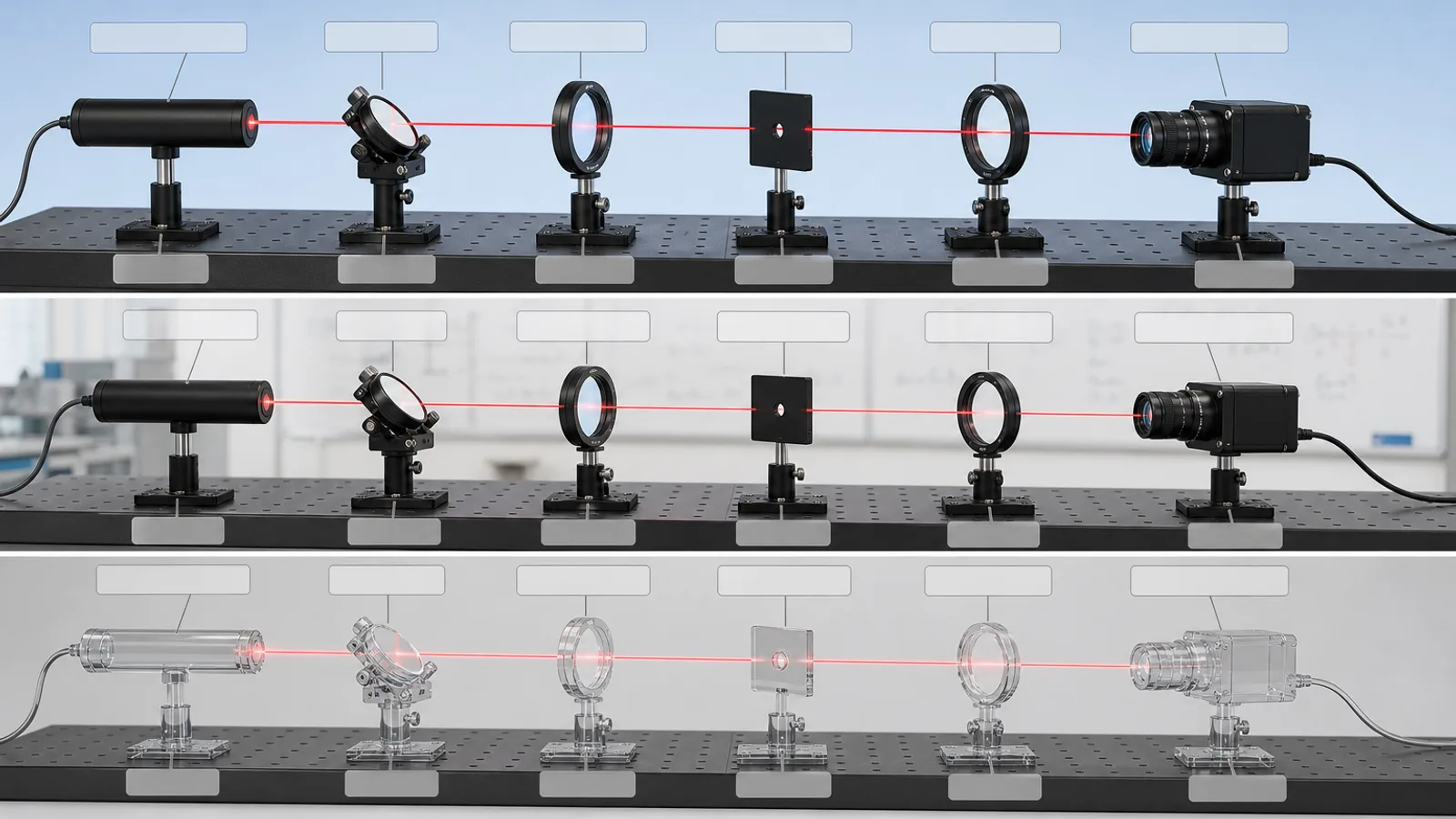
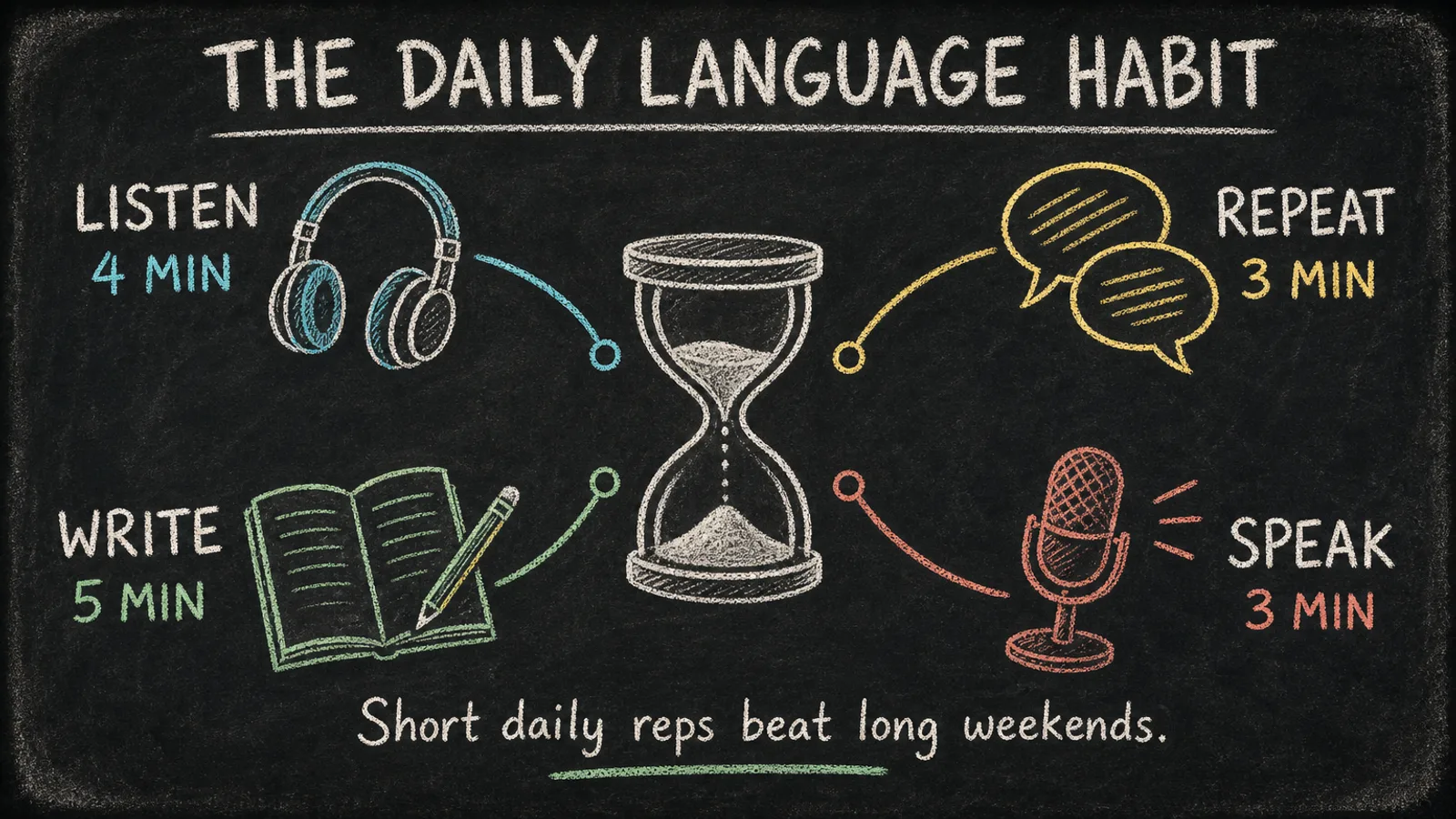
What you get
- One 4:3 landscape sketchnote PNG: a large English headline plus three to seven short labels, one per node
- A relationship map drawn from the source: who acts, what changes, what results and which conditions apply
- Hand-drawn metaphors that carry the reasoning, with arrows that never cross labels or each other
- A review JSON checked by validate-output.mjs, plus the FAL task file when that route is used
Good fit
- Explaining a lesson, process, document or argument in one picture
- Audiences who grasp a short English summary and simple drawings faster than prose
- Teams that want a light hand-drawn look instead of a crowded infographic
Not for
- Data dashboards, long reports or images that must hold paragraphs of text
- Photo scenes, 3D renders or glossy product mockups
- Lettering that must match a licensed brand typeface
About this Skill
Hand over a lesson, a dense document, a web page or rough notes. The agent reads every line, separates what the source states from what its author merely thinks, then distills it into a single headline idea and between three and seven nodes linked as a chain, sequence, comparison, tree or loop. The result is a single 4:3 PNG on a clean white page: thin rounded black pencil lines, small drawn metaphors doing most of the explaining, and rare flat touches of red, yellow and green. Every visible word is compared with the locked copy before delivery.
How it works
- Read the entire source and keep stated facts apart from the author's opinions.
- Condense it into a single headline idea plus three to seven nodes, all sharing one relationship type.
- Lock the exact headline and labels, and pick a drawn metaphor for every node.
- Once the prompt and the paid job have your approval, generate a single 4:3 image.
- Read each word and arrow at 100 percent, validate the review file, then deliver.
Checked before delivery
- Exactly 4:3, on a clean opaque white page, with black pencil lines and only small flat red, yellow and green accents
- The headline and every label match the approved copy letter for letter, with no extra lettering
- Every node and relationship comes from the source; drawings carry more weight than words
- Arrows never cross labels, drawings or one another; no emoji, dingbats, logos or watermarks
What you need before you start
- You bring
- The passage, pasted notes, file or reachable web page you want explained · Optional: the readers, what to stress, and any terms that must stay word for word
- Dependencies
- Your FAL account and FAL_KEY, needed only when your agent lacks its own image tool · Node.js 20 or later, needed only for the bundled FAL script
- Outside costs
- FAL_KEY
- Last tested
- v1.0.0 — Claude Code / Codex / Cursor
User reviews
Loading reviews…
FAQ
What kinds of source can I give it?
A highlighted passage, notes you paste, a file, or any public page your agent can reach. If the page will not load or the passage is not visible, it asks you to paste the text instead of guessing.
How much text appears on the page?
One short headline plus three to seven brief node labels. Anything longer is trimmed on purpose so the drawings do the explaining.
Can a misspelled word slip through?
The headline and labels are locked before generation, quoted word for word in the prompt, and checked one character at a time against the finished image. Wording is in English unless you ask for another language.
Is there an image cost?
If your agent has its own image tool, it is used first. Otherwise the bundled script sends the job to the current GPT Image model on FAL, which charges for each image it generates or edits; no new paid job starts without your approval.