Material Stack Cutawayv1.0.1
Use this Skill to make explainer graphics.
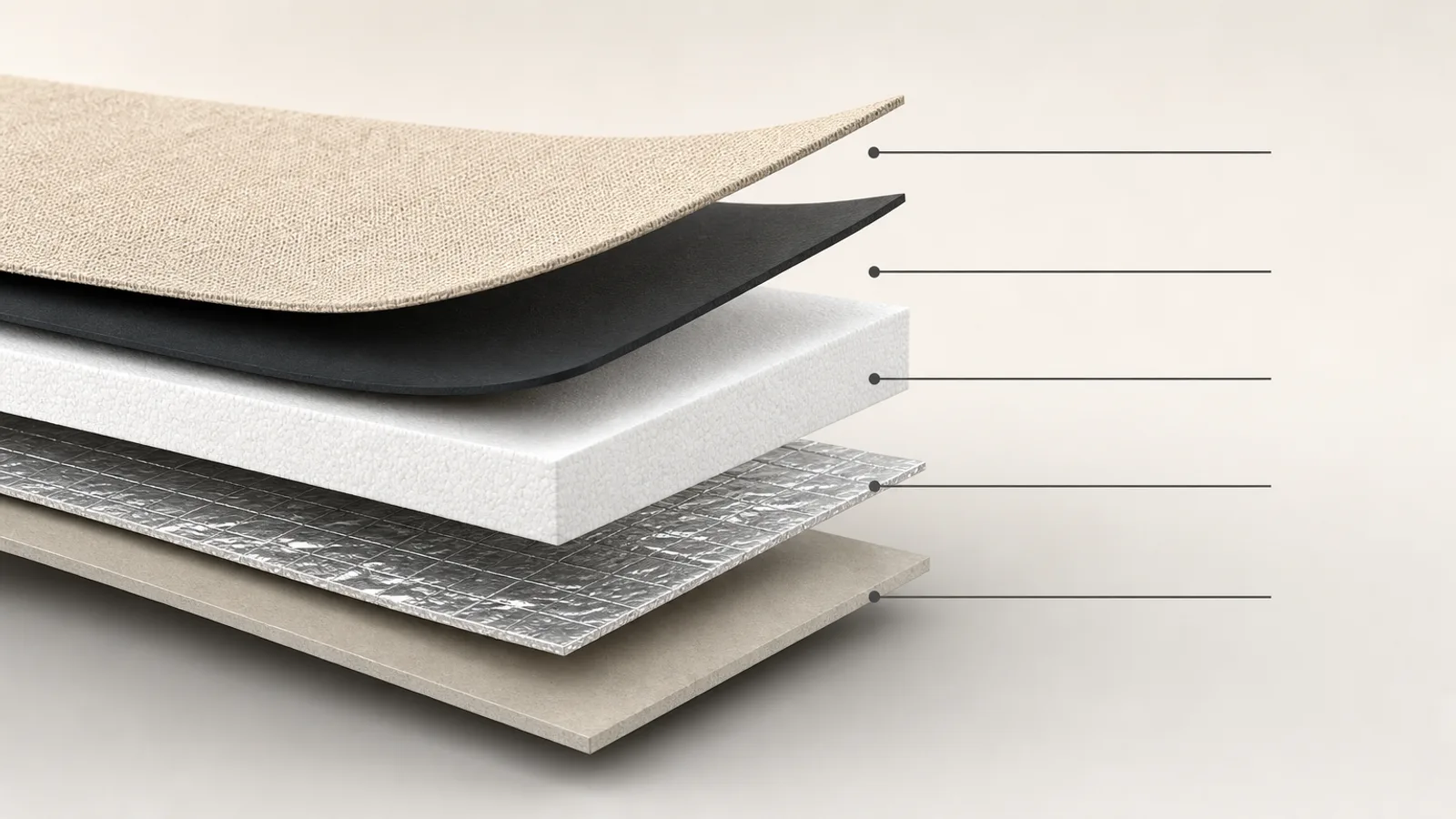
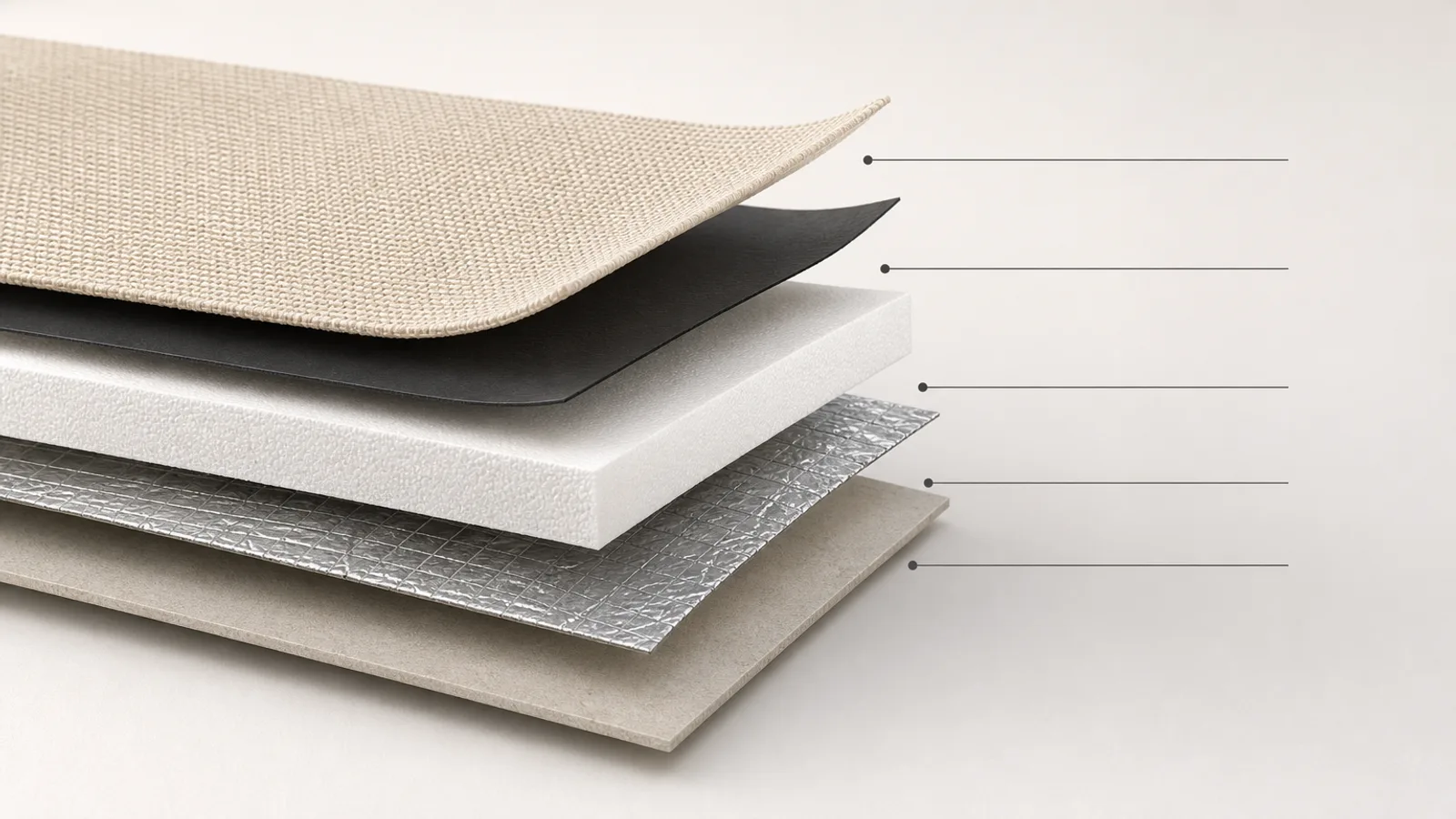
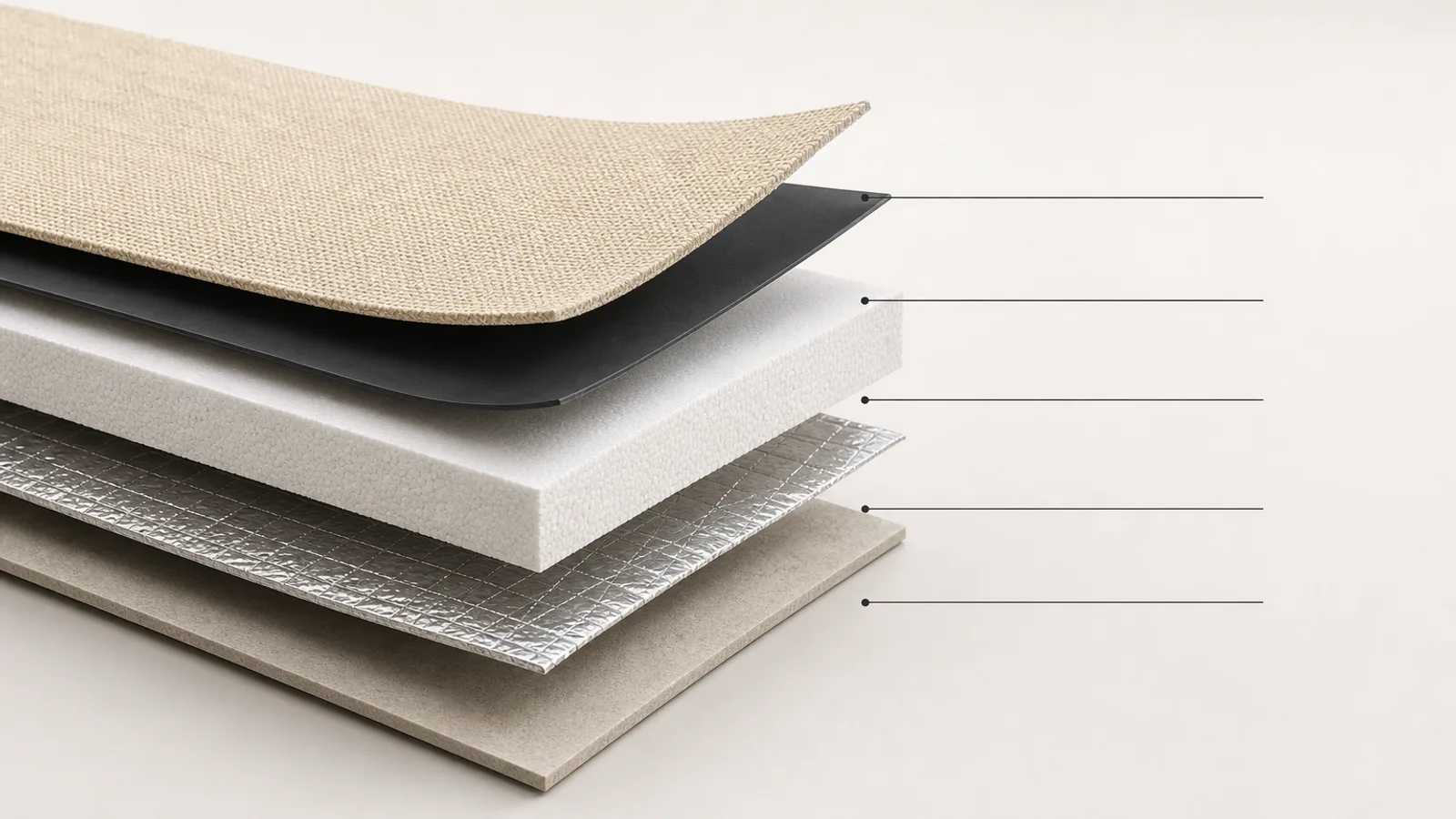
Explain what each layer of a panel, membrane or textile does: a studio cutaway skill for Claude Fable 5 that fans out your checked stack in order, with one empty callout rail per layer.
Picked most often by
Updated Oct 30, 2026
Preview gallery


 FAL
Similar Skills
View all


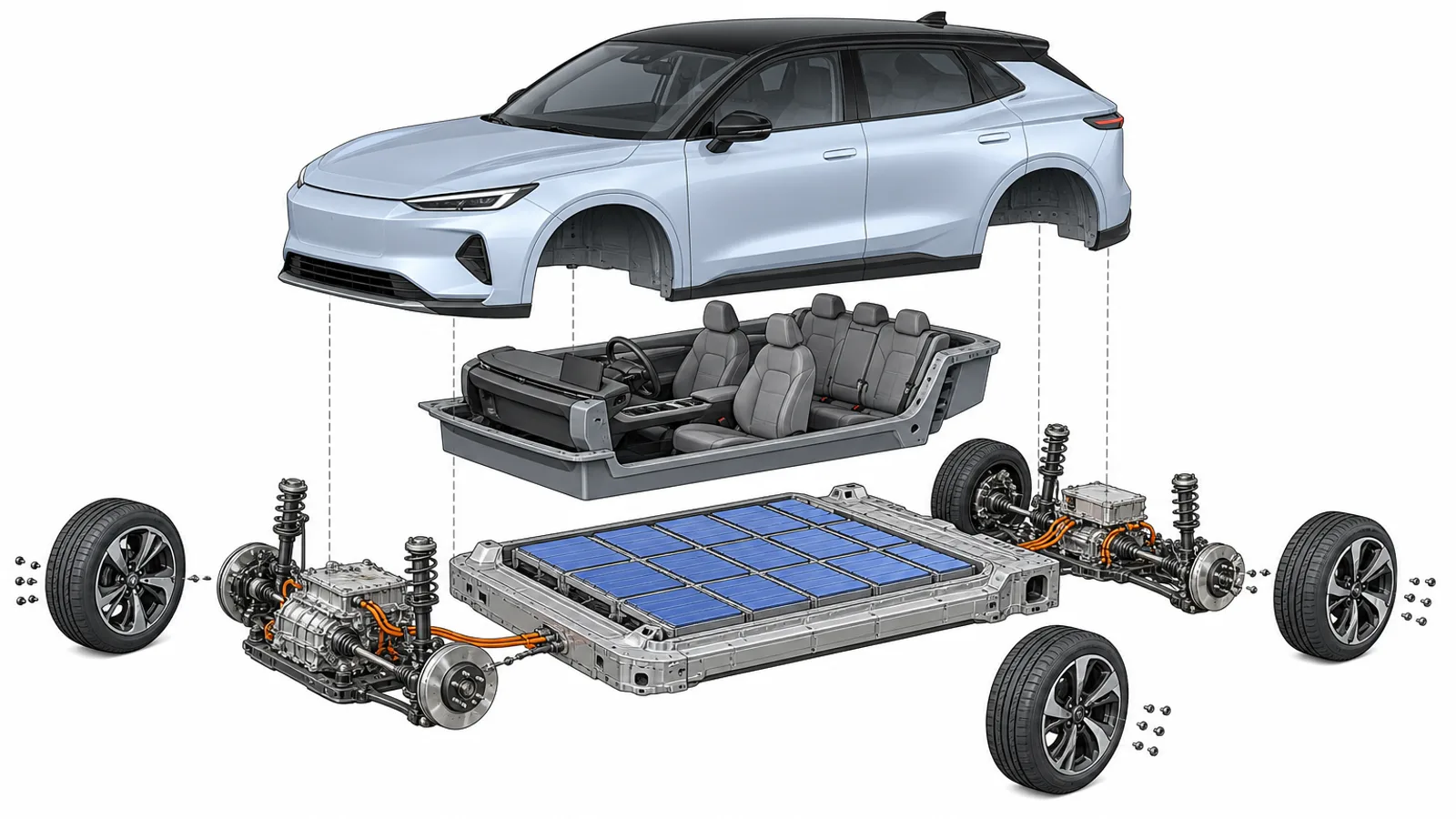
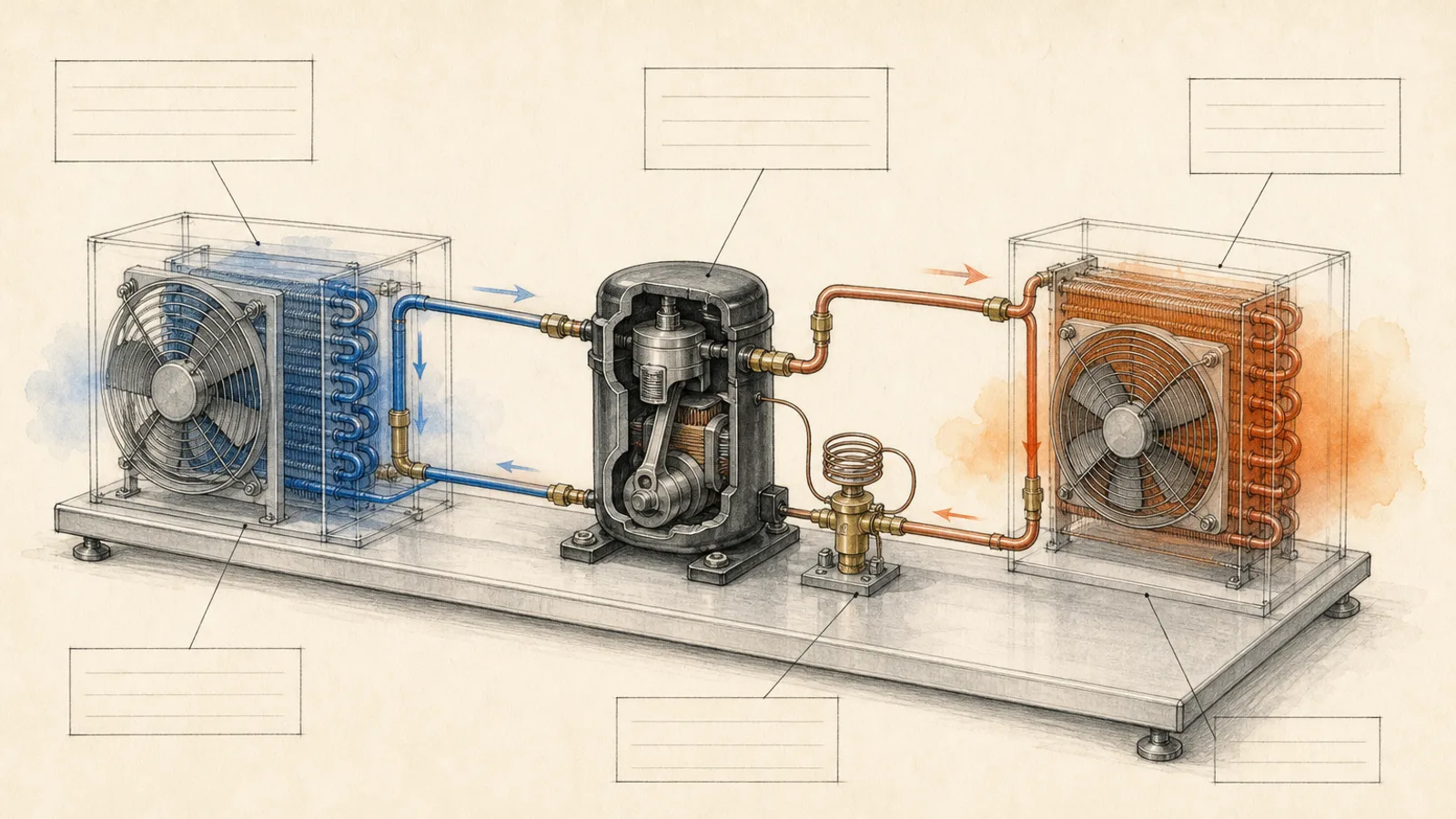
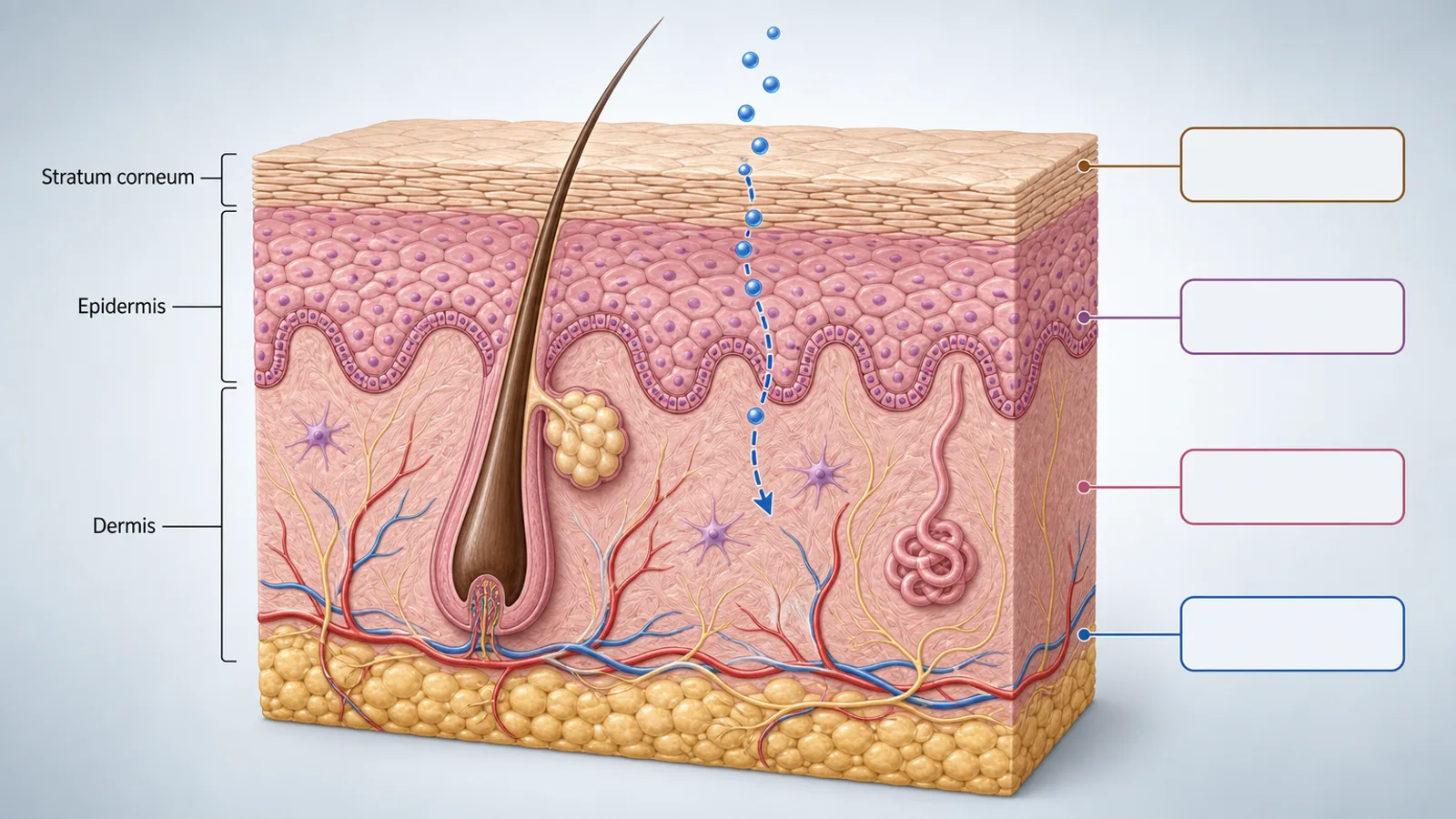

What you get
- Three 16:9 PNG cutaways (1536×864) with your layer order unchanged
- A color and texture per material class, plus a straight empty rail for each layer
- The evidence table and open questions, with exaggerated thickness flagged as illustration only
Good fit
- Product marketers with an approved layer stack to explain
- Researchers who need a clear figure of a laminate or coating for a talk or paper
- Science communicators showing what each layer contributes
Not for
- Proving food safety, health, durability or thermal performance
- To-scale sections when no thicknesses were measured
- Stacks that need unconfirmed layers filled in
About this Skill
Show a material stack without anyone inventing a hidden layer. You give the layers from the outside in, checked thicknesses or relative guidance, and what is known about the bonds and coatings between them. The sample fans a five-layer insulated panel across a soft off-white studio floor, each sheet lifting at one corner so its edge and texture show, with straight leader lines running into empty space. One paid request yields three PNG compositions.
How it works
- Draw up a layer ledger: order, material, purpose, thickness status and source for every layer.
- Pick a cutaway shape that exposes each interface and leaves the stack order alone.
- Assign every checked material class a color and texture family of its own.
- Render without labels, keeping a straight callout rail clear for each layer.
- Set names and values afterwards, and note in the caption any thickness drawn larger than life.
Checked before delivery
- Three separate 16:9 images with no unexpected logo, watermark or protected design
- Structure, order, counts and visual claims match the approved input table
- Exact labels, figures, citations and disclaimers are typeset after generation in a layout tool
- The images are delivered with the final evidence table and the unresolved points
What you need before you start
- You bring
- The material layers in order, from the outside in · Checked thicknesses, or guidance on how thick each layer is next to the others · What is known about the interfaces, bonds, or coatings · The audience and where the image will be used
- Dependencies
- Your FAL account, with FAL_KEY set · Node.js 20 or later
- Outside costs
- FAL_KEY
- Last tested
- v1.0.1 — Claude Code / Codex / Cursor
User reviews
Loading reviews…
FAQ
What goes into the layer ledger?
The layers in order from the outside in; measured thicknesses, or guidance on how thick each is relative to the others; anything known about how neighboring layers are bonded or coated; and who will see the image and where. Missing facts are flagged or left as marked placeholders, never filled quietly.
Do the callout rails come labeled?
No. Each rail is left empty in the art. When you have picked a composition, the layer names, values, sources and any disclaimer are set in type from the approved ledger.
Can the cutaway back a performance claim?
No. It explains a stack you approved. Appearance alone supports no claim about food safety, durability, heat performance or health, and drawn thicknesses are not real proportions.