Electric Car Systems Breakoutv1.0.1
Use this Skill to make explainer graphics.
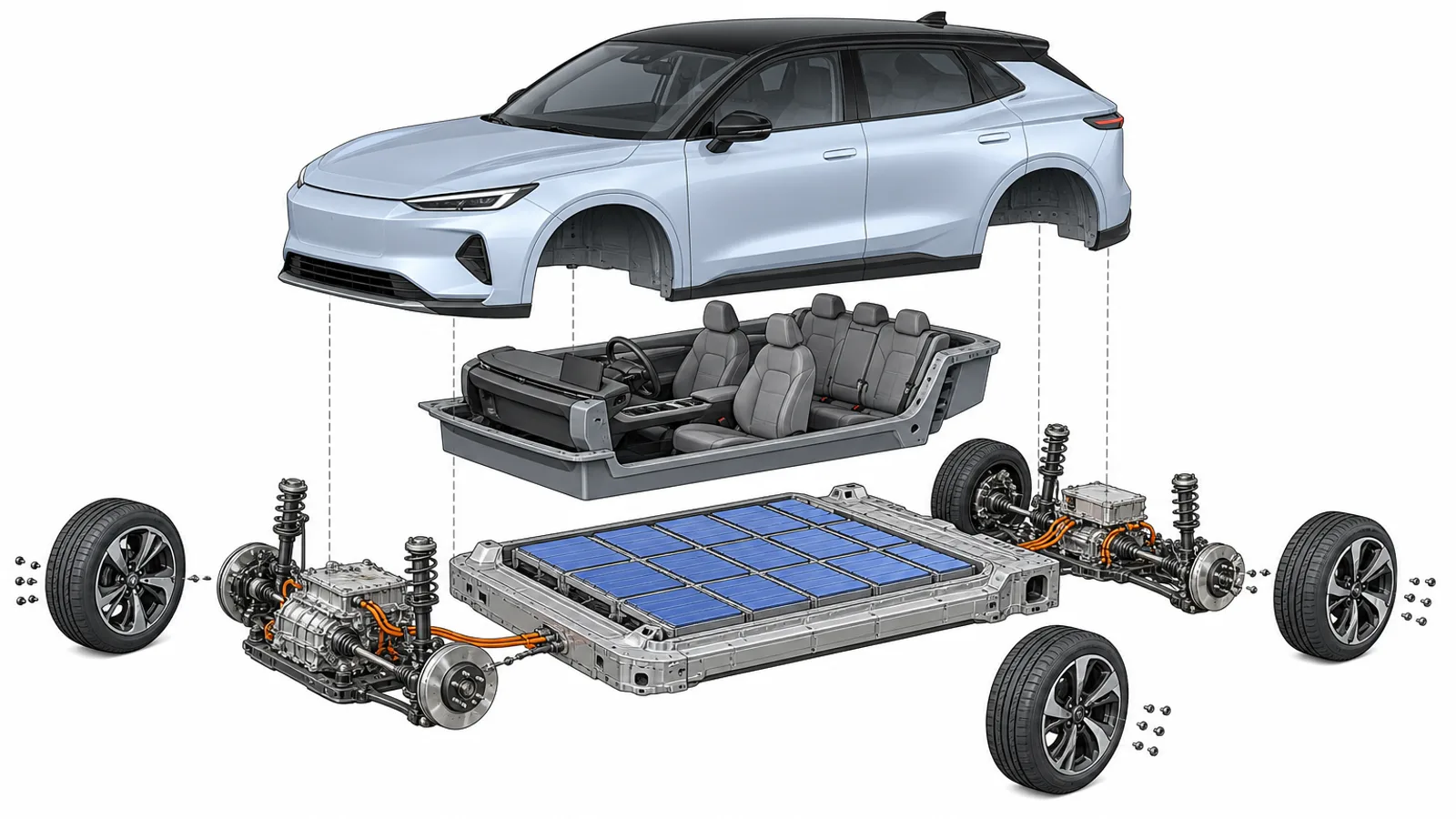
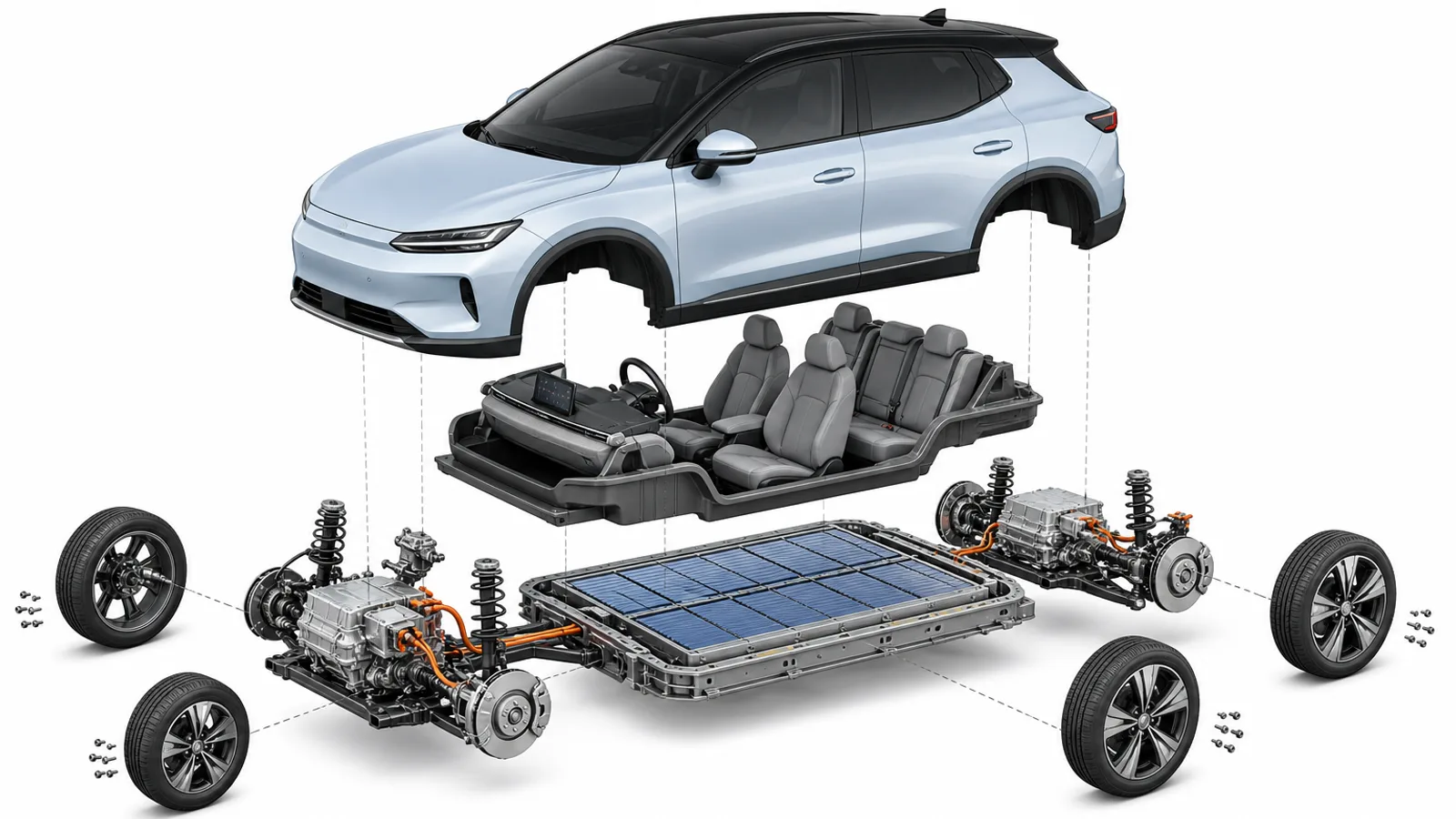
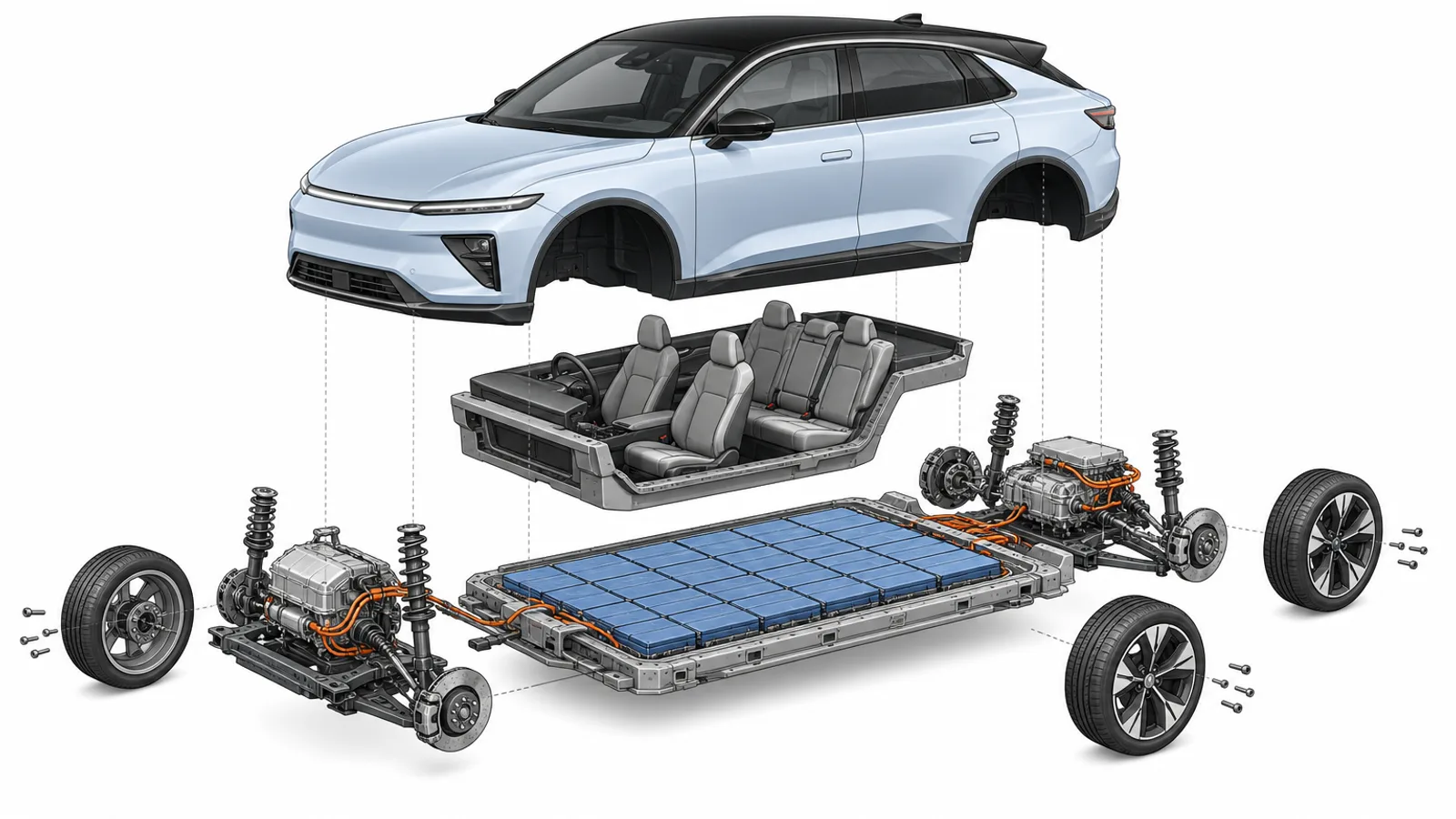
How does an electric car fit together? This Fable 5 diagram skill pulls a made-up EV apart into six to ten color-coded system groups, in clean isometric on white, marked as schematic.
Picked most often by
Updated Oct 30, 2026
Preview gallery


 FAL
Similar Skills
View all

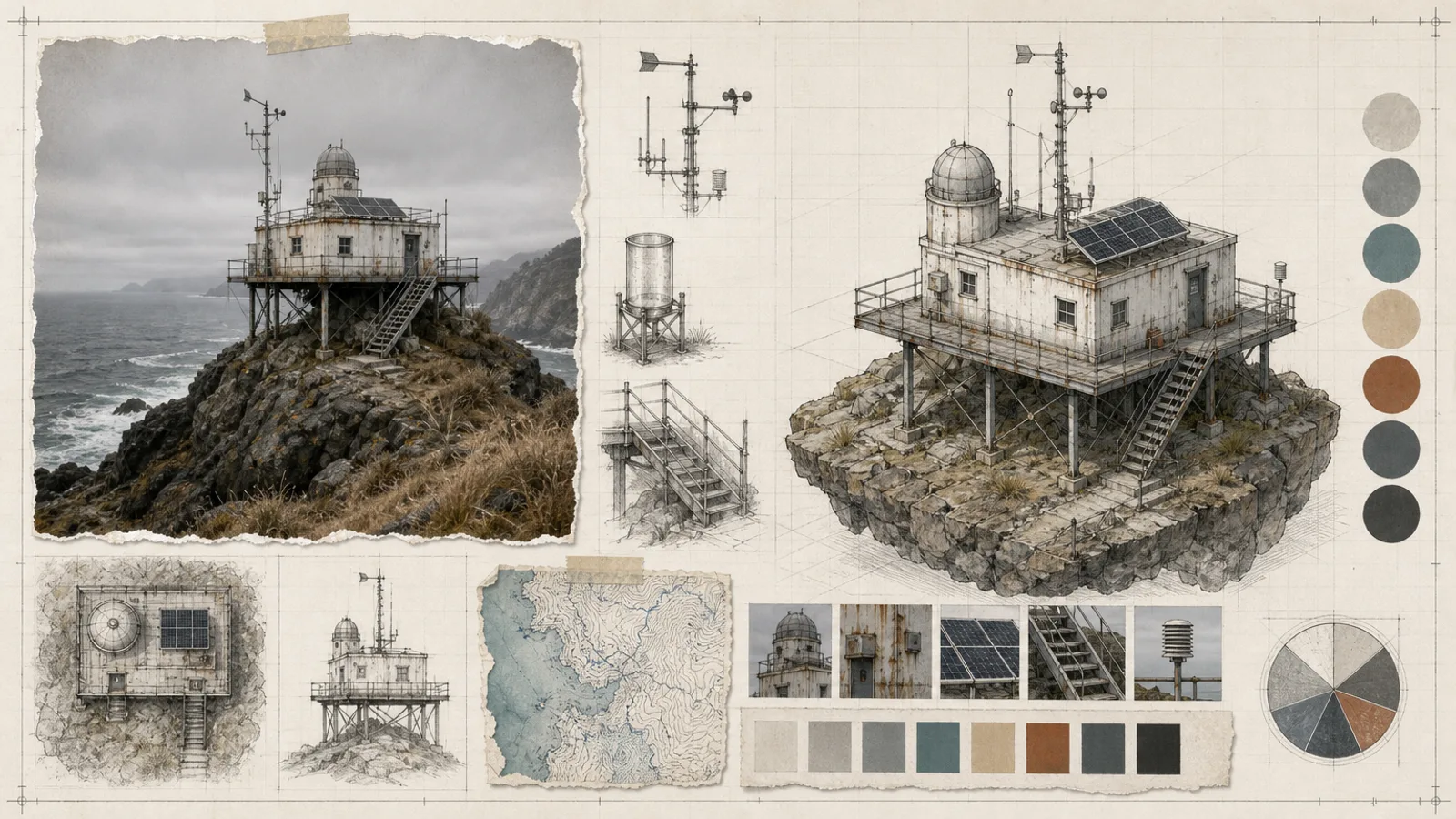


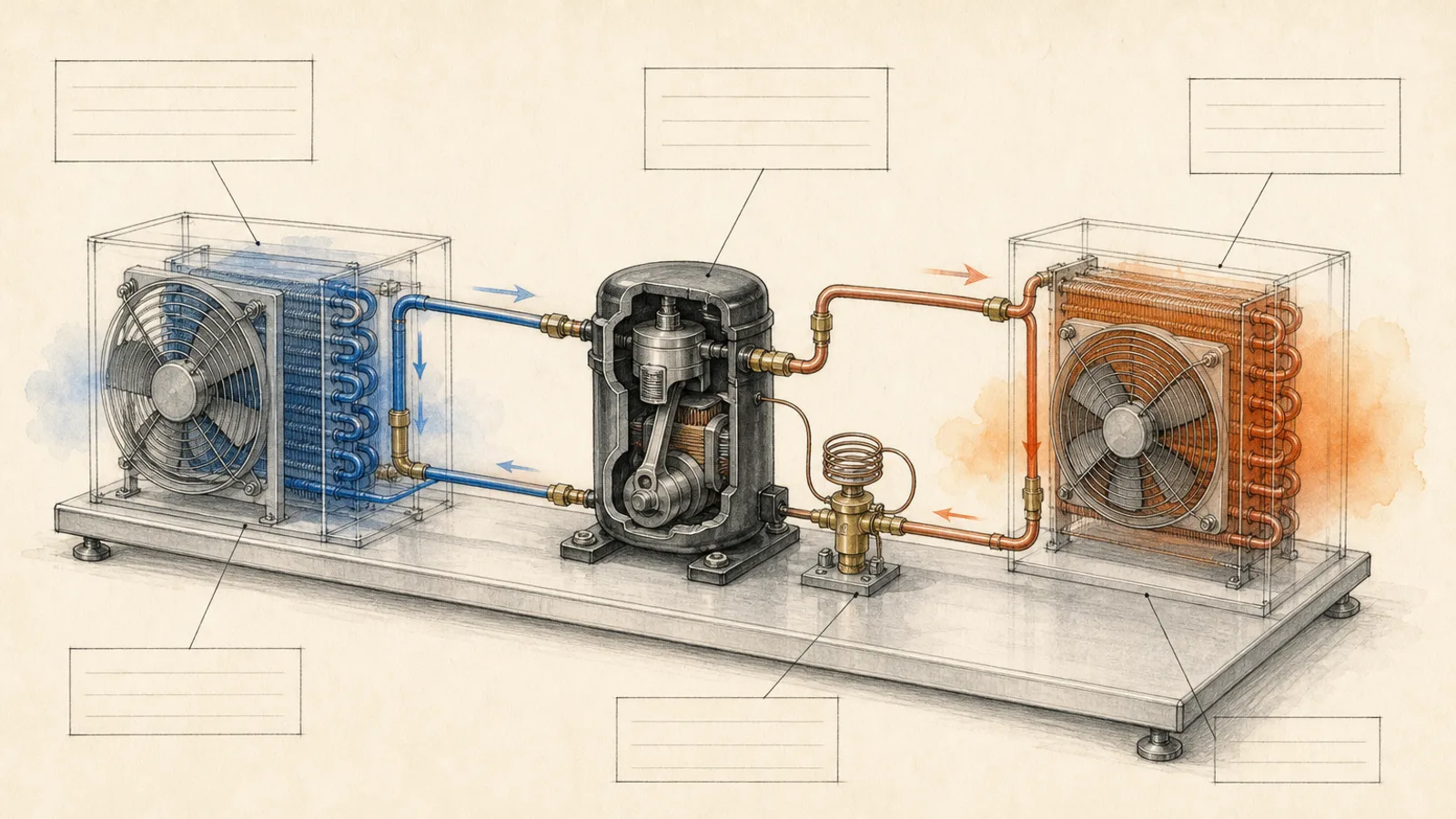
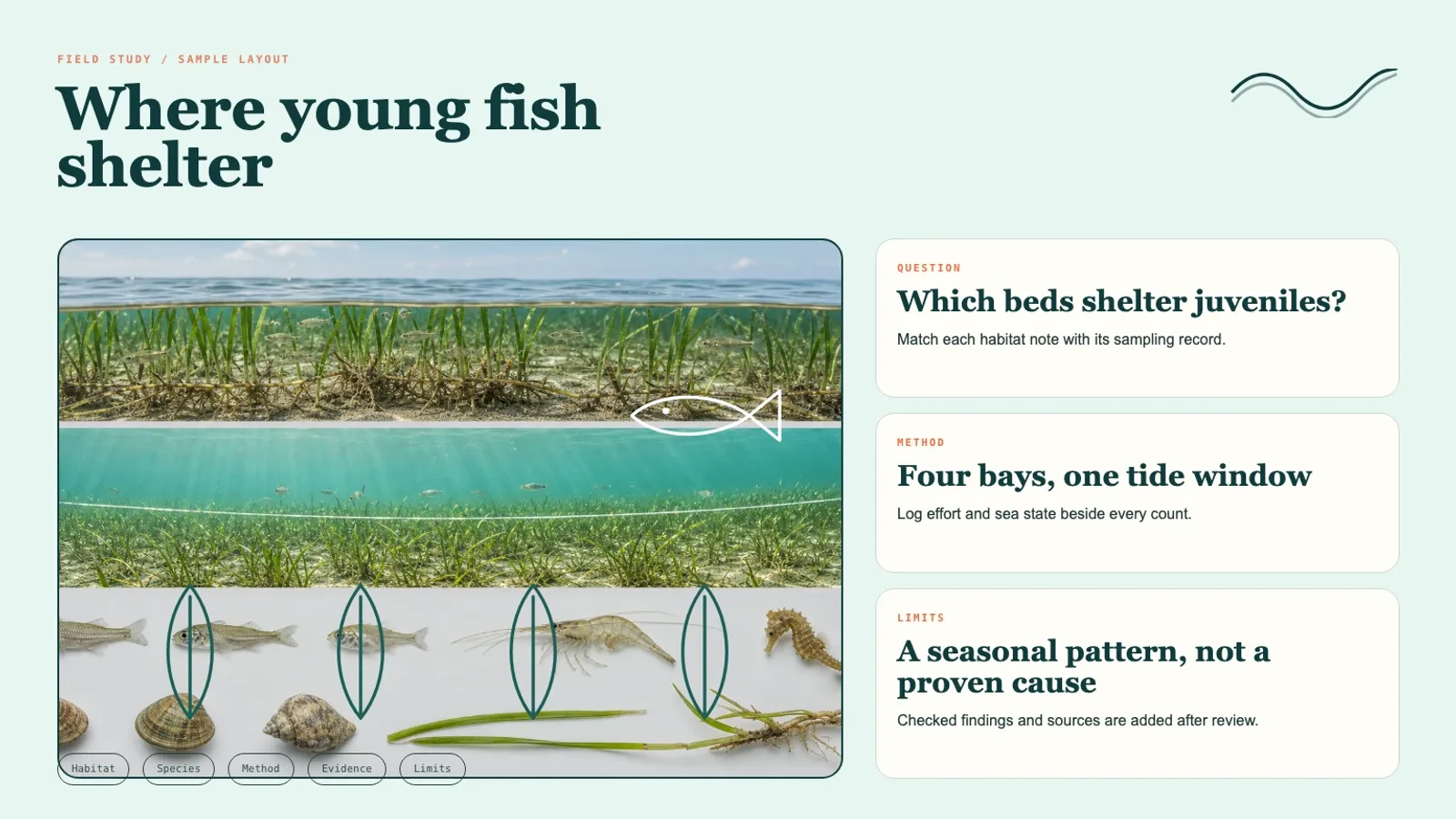

What you get
- Three 16:9 PNG exploded views (1536×864) of a made-up, badge-free car
- One color code held across the body, chassis, power and cooling groups
- Evidence table, brief, provider-task.json and open questions, with drawn geometry marked schematic
Good fit
- Researchers explaining EV architecture in a talk or review
- Technical writers who need a system map before the detail
- Science journalists and teachers covering how electric cars work
Not for
- Workshop, manufacturing or high-voltage safety documentation
- Part-level accuracy without engineering source data
- Reproducing a real car's design without permission
About this Skill
Built for explaining architecture, not for the workshop. You supply the vehicle class, a checked subsystem list, each system's location or an approved reference diagram, the legend terms and colors, and how technical the audience is. The sample lifts a badge-free compact crossover apart from the front three-quarter: the body shell floats above the cabin tray, battery modules fill the floor, drive units sit fore and aft on orange cables, and the wheels spread out along dashed alignment lines. One paid request returns three PNGs at 1536×864.
How it works
- Reduce the car to six to ten system groups; a service drawing of every part is not the aim.
- Give each group a checked position, its relation to the groups around it and a neutral color.
- Choose the isometric direction of separation that keeps battery, drivetrain, chassis and cabin all legible.
- Draft short callout placeholders that refer back to the system table you supplied.
- Hold each visible subsystem against the table, and label any geometry drawn in beyond it as schematic.
Checked before delivery
- Three separate 16:9 images with no unexpected logo, watermark or protected design
- Structure, order, counts and visual claims match the approved input table
- Exact labels, figures, citations and disclaimers are typeset after generation in a layout tool
- The images are delivered with the final evidence table and the unresolved points
What you need before you start
- You bring
- The vehicle class and a checked list of its subsystems · Where each subsystem sits, or an approved reference diagram · The color coding and legend terms that must be used · The audience and how technical it should get
- Dependencies
- Your FAL account, with FAL_KEY set · Node.js 20 or later
- Outside costs
- FAL_KEY
- Last tested
- v1.0.1 — Claude Code / Codex / Cursor
User reviews
Loading reviews…
FAQ
What does the agent need from me?
The vehicle class with a checked subsystem list, each subsystem's position or an approved reference diagram, the color code and legend wording to use, and who will read it and how technical it should be. Gaps are flagged or shown as marked placeholders, never filled in silently.
Will the callouts arrive filled in?
No. The generated art leaves clear callout areas; names, values, citations and disclaimers are typeset from your approved table after you choose one of the three.
Could a repair shop or crash engineer rely on it?
No. It shows how the systems relate and is no basis for repairs, production, crash safety or high-voltage work. It never invents fasteners, dimensions, voltages, cooling routes or crash structures.