Premium Launch Landingv0.1.1
Use this Skill to build a product website.
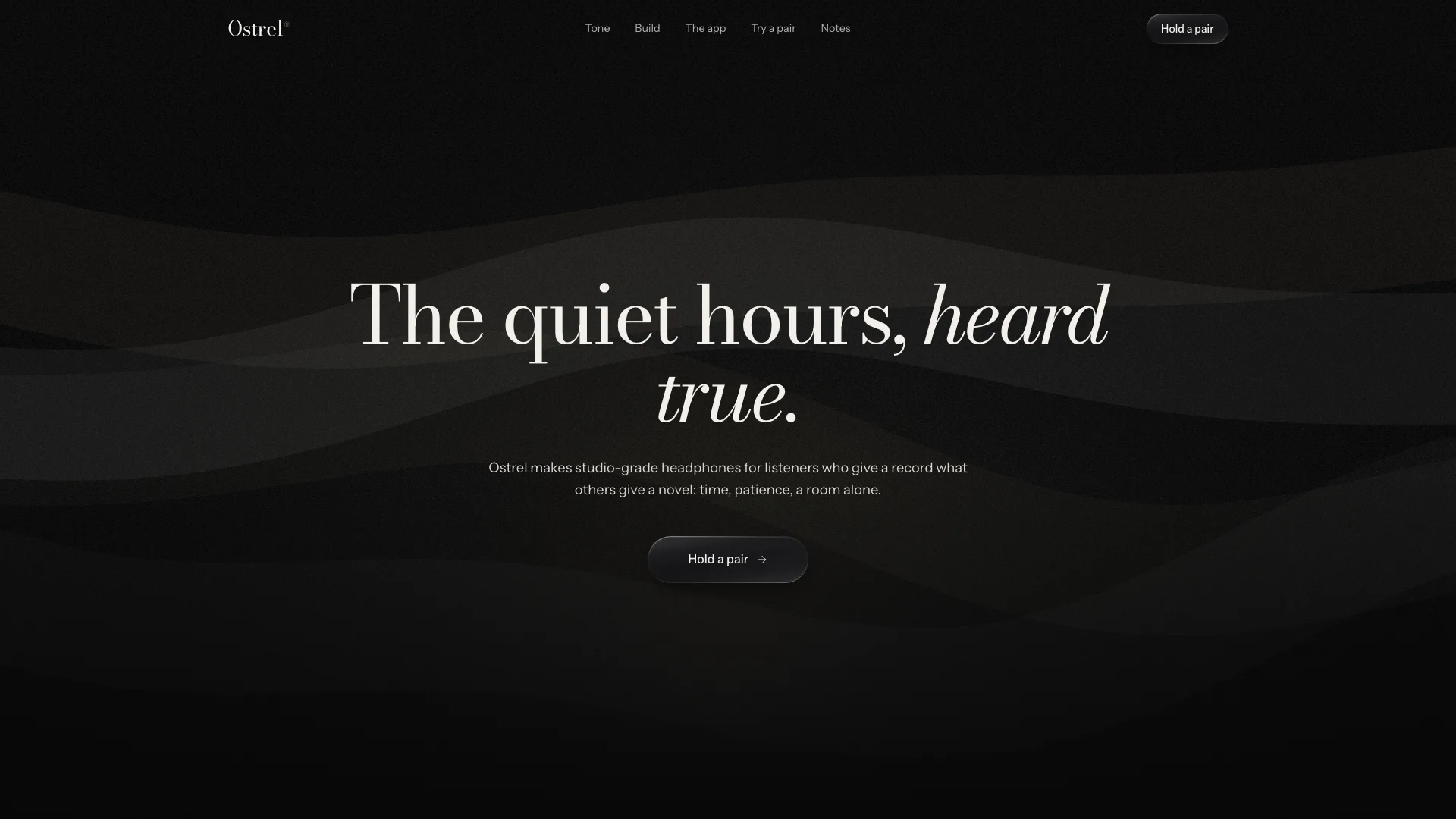
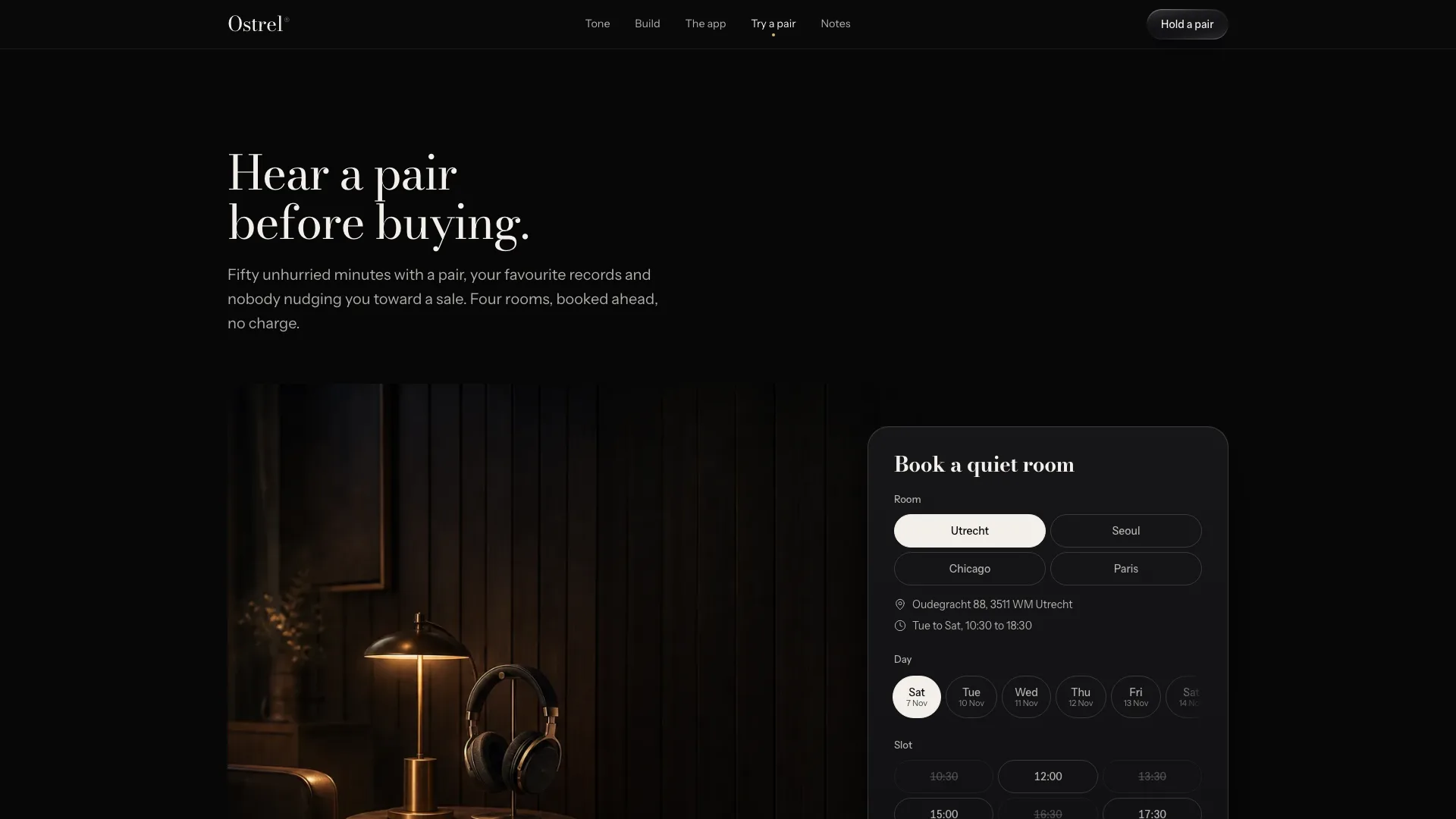
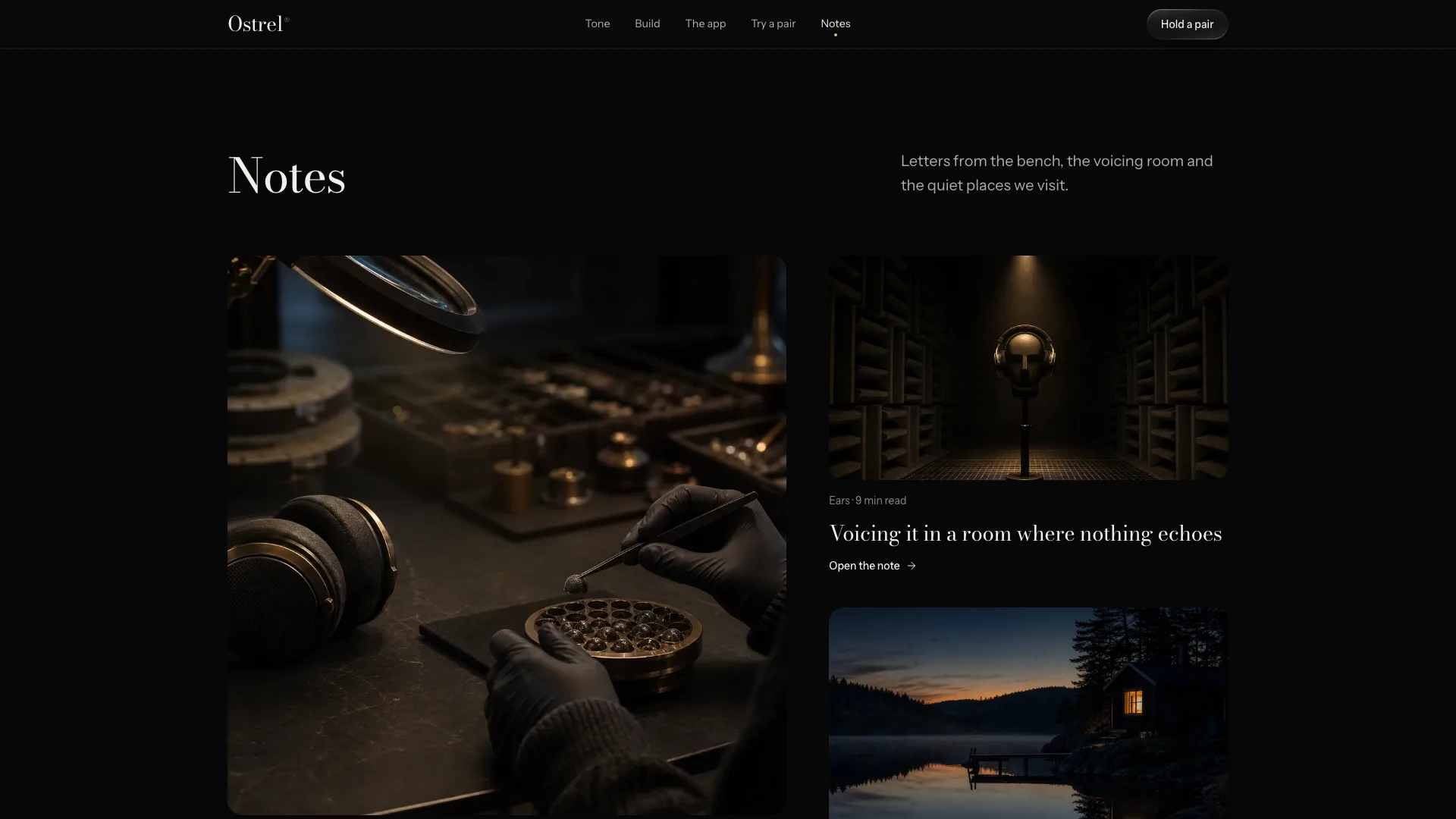
A launch page skill for Claude Fable 5 that takes deposits on a costly product before it ships: Bodoni over drifting light, facets, specs, a trial room booking, a reservation.
Picked most often by
Updated Nov 4, 2026
Preview gallery


Similar Skills
View all
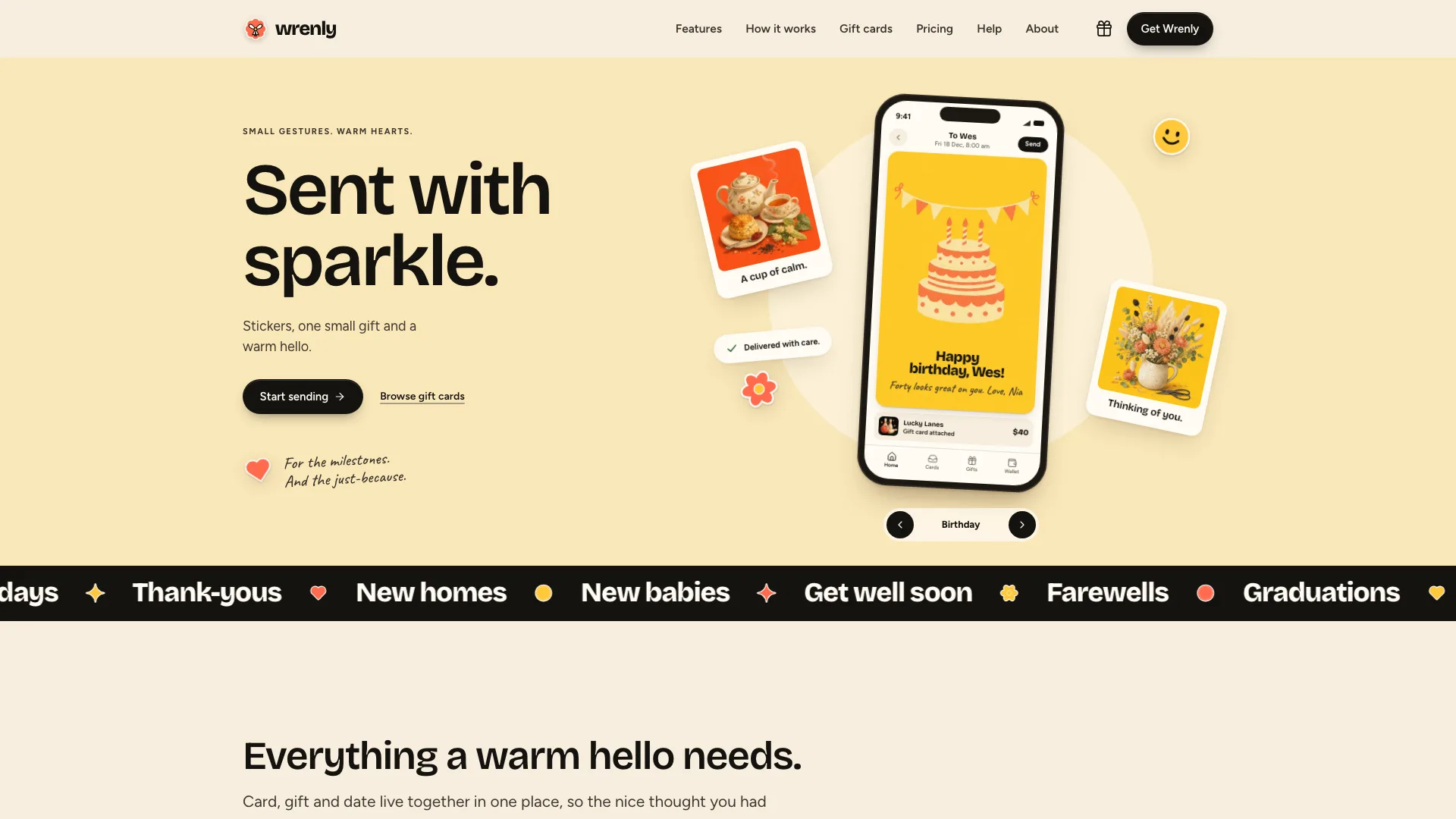
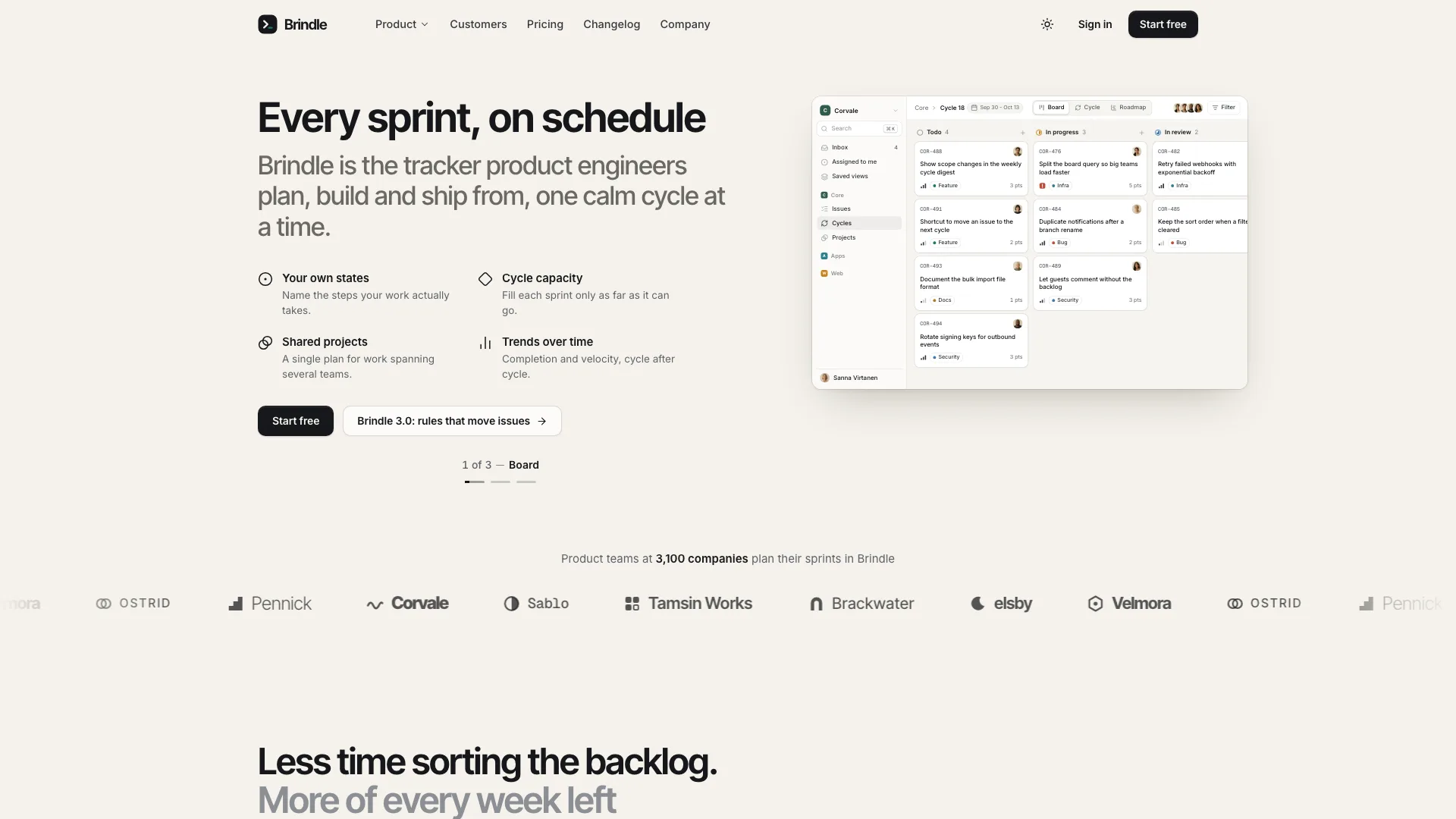
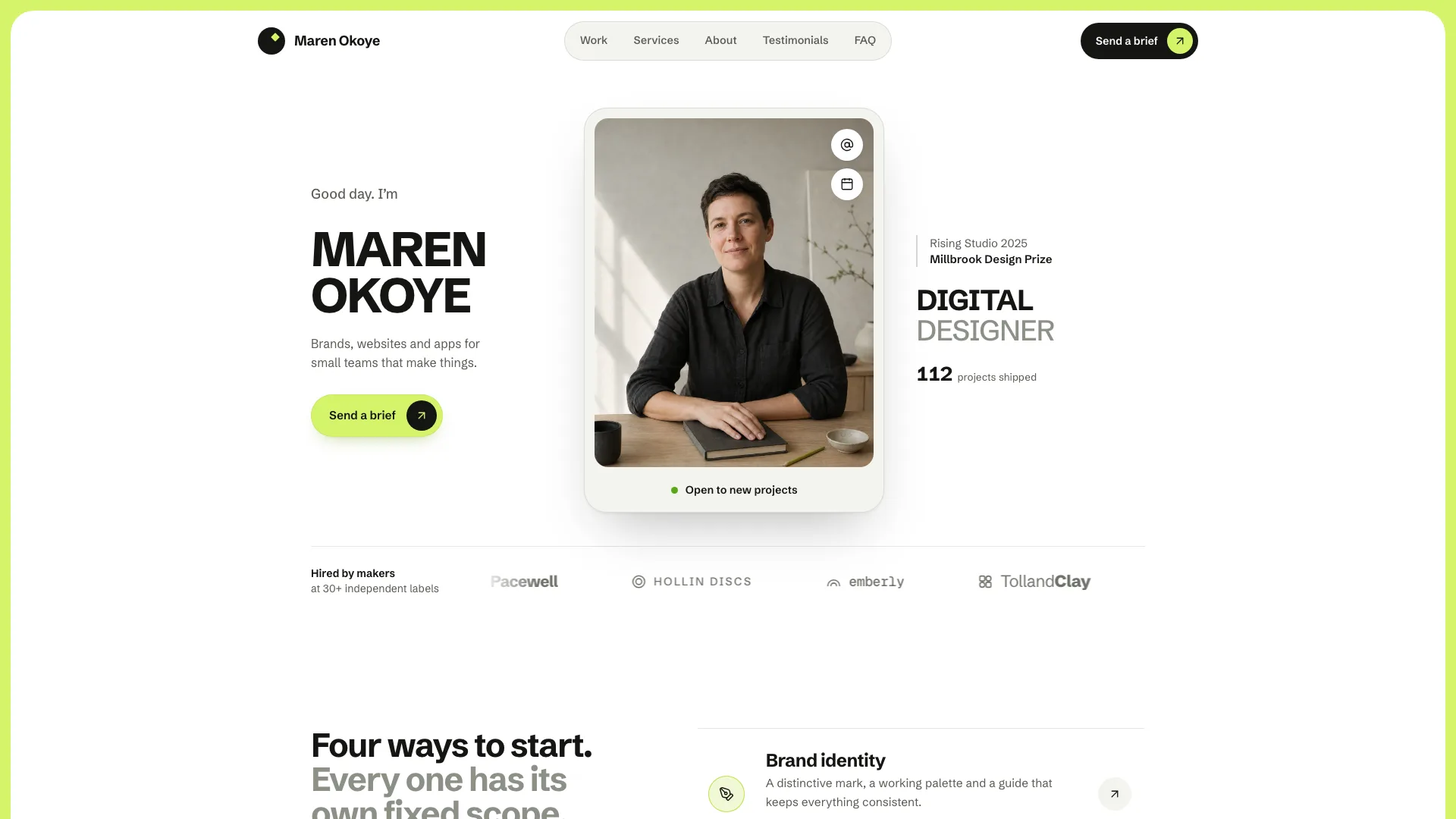
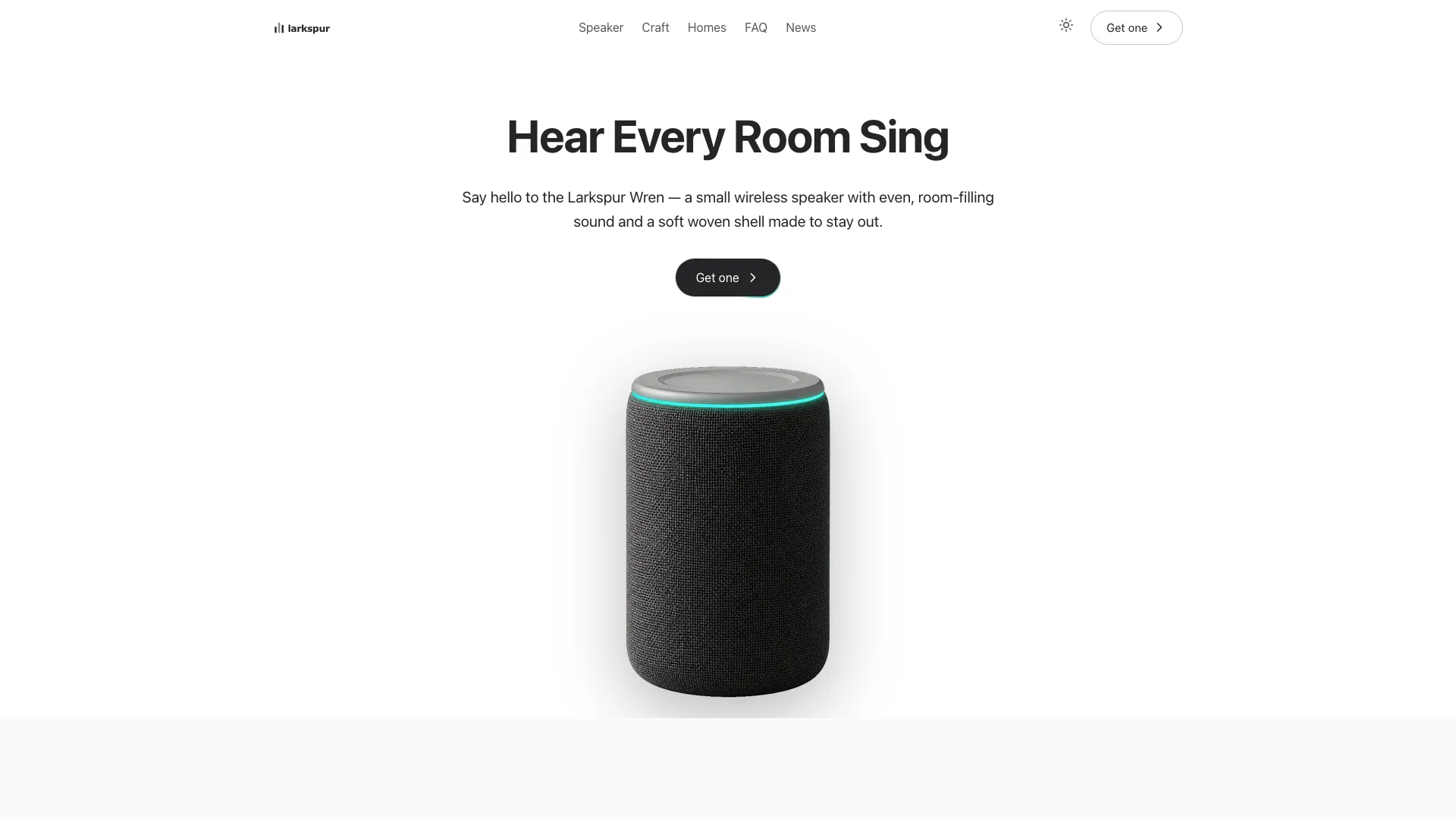
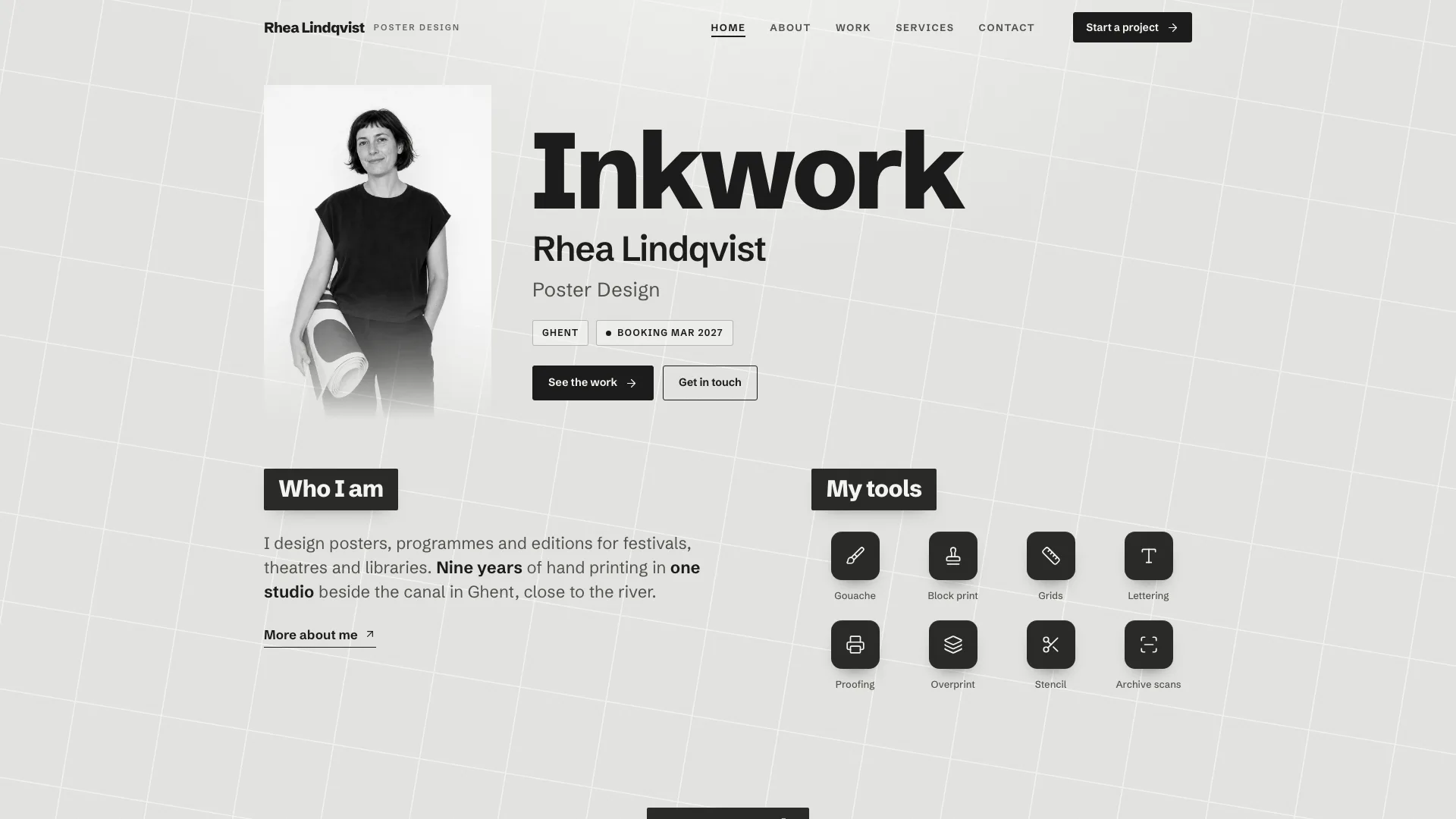
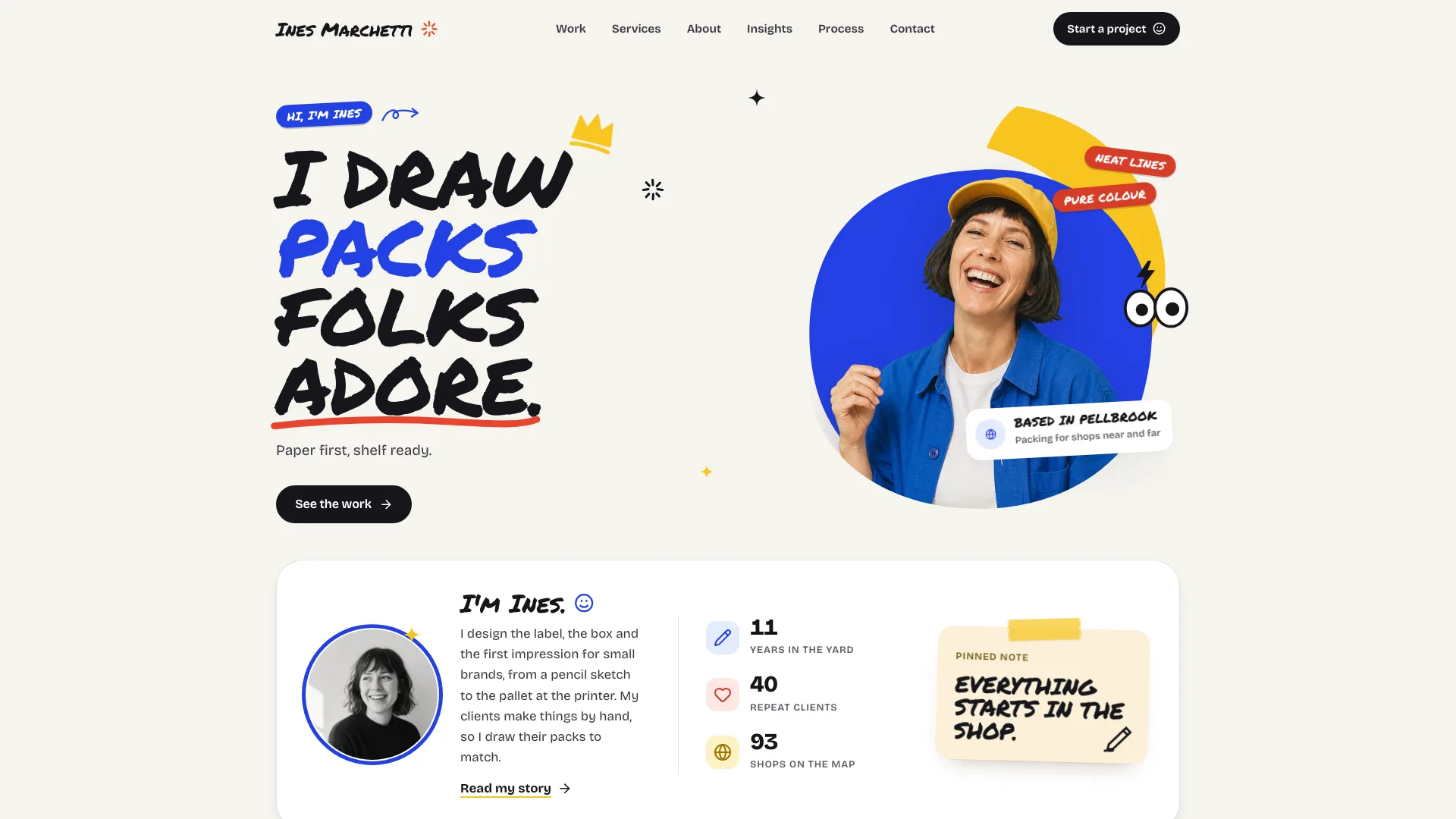
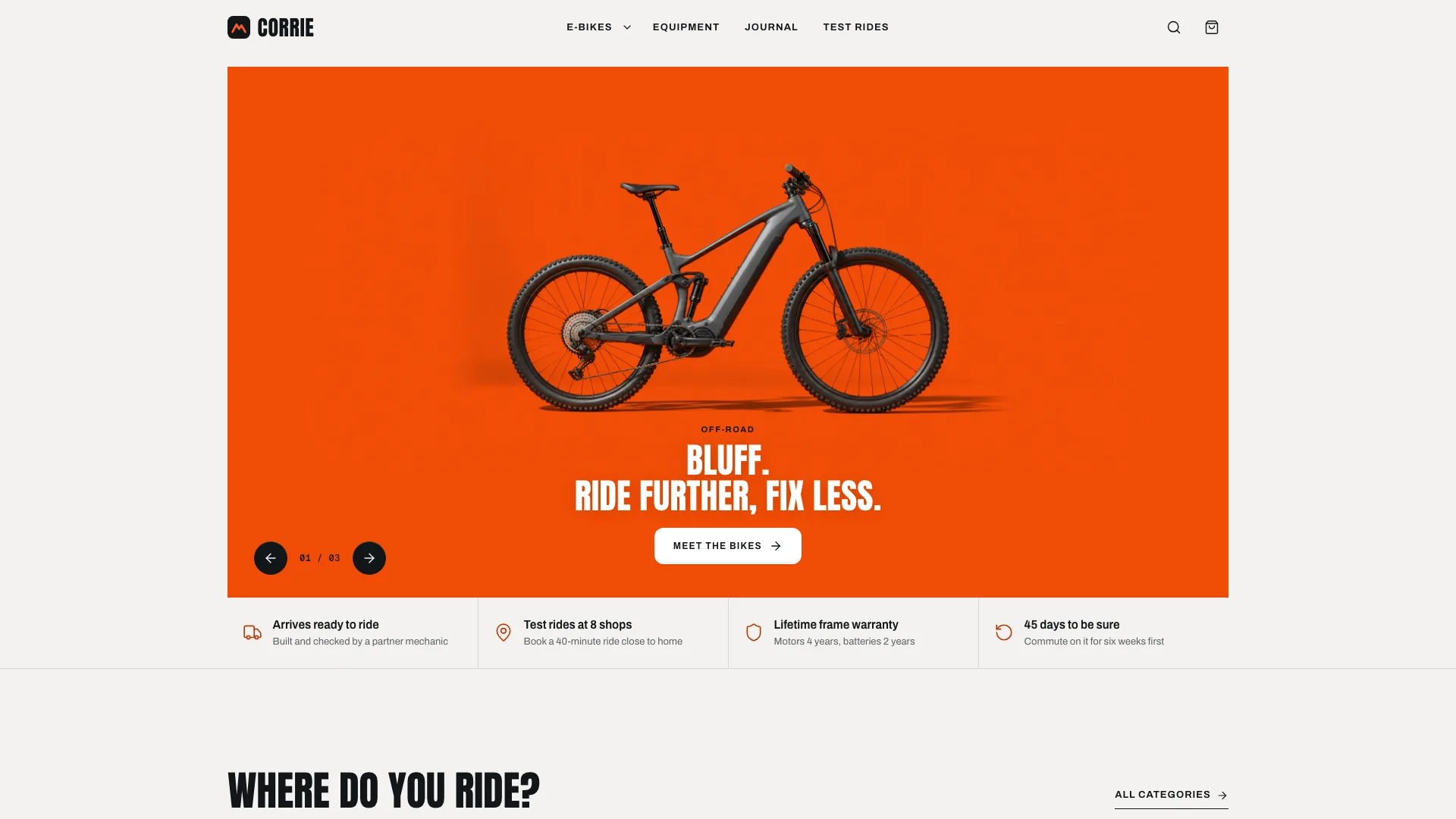
What you get
- One offline HTML file: a centered Bodoni title card and its lone glass button, a line that lights up one word at a time, tabs of product facets with crossfading close-ups, a night photo revealed as black bars part, parts and full specs
- A responsive app panel, a trial room to book, notes and policies that slide in from the side, and a final reservation block: pick a finish, see the deposit and a live summary
- Motion rules, a plan for ten photo slots with canvas fallbacks, a validator that checks links, sheets and sandbox safety and catches sample leftovers, and a packer that writes fonts and photos into the page
Good fit
- Deposits, preorders and waitlists for costly hardware
- Premium or luxury goods that want a calm, dark launch page
- Launches that build trust with specs, terms and process instead of borrowed logos
Not for
- Real payments or real bookings: each form confirms on the page and sends nothing until you wire it up
- Bright, colorful brands or sites that want a light theme
- Pages built around reviews, ratings or press quotes that the brand doesn't have
About this Skill
For an expensive product months from shipping, this launch page skill for Claude Fable 5 builds a page that takes reservations. It opens like a film title: large Bodoni type on near-black, slow generated motion behind frosted glass, a pale gold seen only as light. Every visitor path works: book a trial room for a day and time, reserve a finish as the price summary updates, get a confirmation number, or send a message. Fonts and photos ship inside one offline HTML file.
How it works
- Collect the brand, the product, its price or the month it arrives, and the ways to try it or hold one; whatever is missing gets drafted and listed for you to confirm
- Settle a single art direction for the photography and shoot every slot to it, or keep the canvas scenes running until real photos are ready
- The agent rewrites the markup of each section, the templates for the sheets and the data block, packs everything into one file and reruns the validator until it passes
- Review the page on a phone, a tablet and a desktop, submit each form blank and then complete, and tell the agent what to adjust
Checked before delivery
- validate.mjs passes: single file, one h1, every link and sheet resolves, no remote assets, structured data
- Every price, deposit, date, spec, address and policy matches the brief; no invented ratings, awards, press or certifications
- Tabs, specs, profile chips, room booking, reservation, newsletter, sheets and the phone menu work at 390, 768, 1024 and 1440 px and inside a sandboxed frame
What you need before you start
- You bring
- Brand and product name, price or availability line, deposit, dispatch month, where it is made and the legal name · Four to five product facets with one fact each, grouped specifications, replaceable parts and their prices · Places or sessions where people can try it (address, hours, closed days, time slots), finishes with prices, countries you ship to · Journal entries, policy text (delivery, warranty, privacy, deposit terms) and contact topics
- Dependencies
- Node.js 20 or later; a connection is needed only during the build, which downloads the three font files once · Product photos come from your agent's own image generator, which may charge per picture; nothing else needs a key
- Outside costs
- None
- Last tested
- v0.1.1 — Claude Code / Codex / Cursor
User reviews
Loading reviews…
FAQ
Does a reservation or room booking reach us?
Not until you connect it. Each form validates its fields and ends on a confirmation number or a receipt, with nothing leaving the page. Hook the forms up to your own booking, checkout or waitlist service before you launch.
We have no product photography yet. What then?
The package holds ten photos of the sample product, already at final size, and a plan for every slot, so your set can be generated to match. Until it exists, the photo stages can run the built-in canvas scenes rather than unrelated stock images.
Will the finished page make network requests?
No. The build embeds the fonts and photos in the file, so the page you deliver fetches nothing. On a hosted site you can keep the images and fonts as files next to the page instead.