Appliance Teardown Posterv1.0.1
Use this Skill to make diagrams.
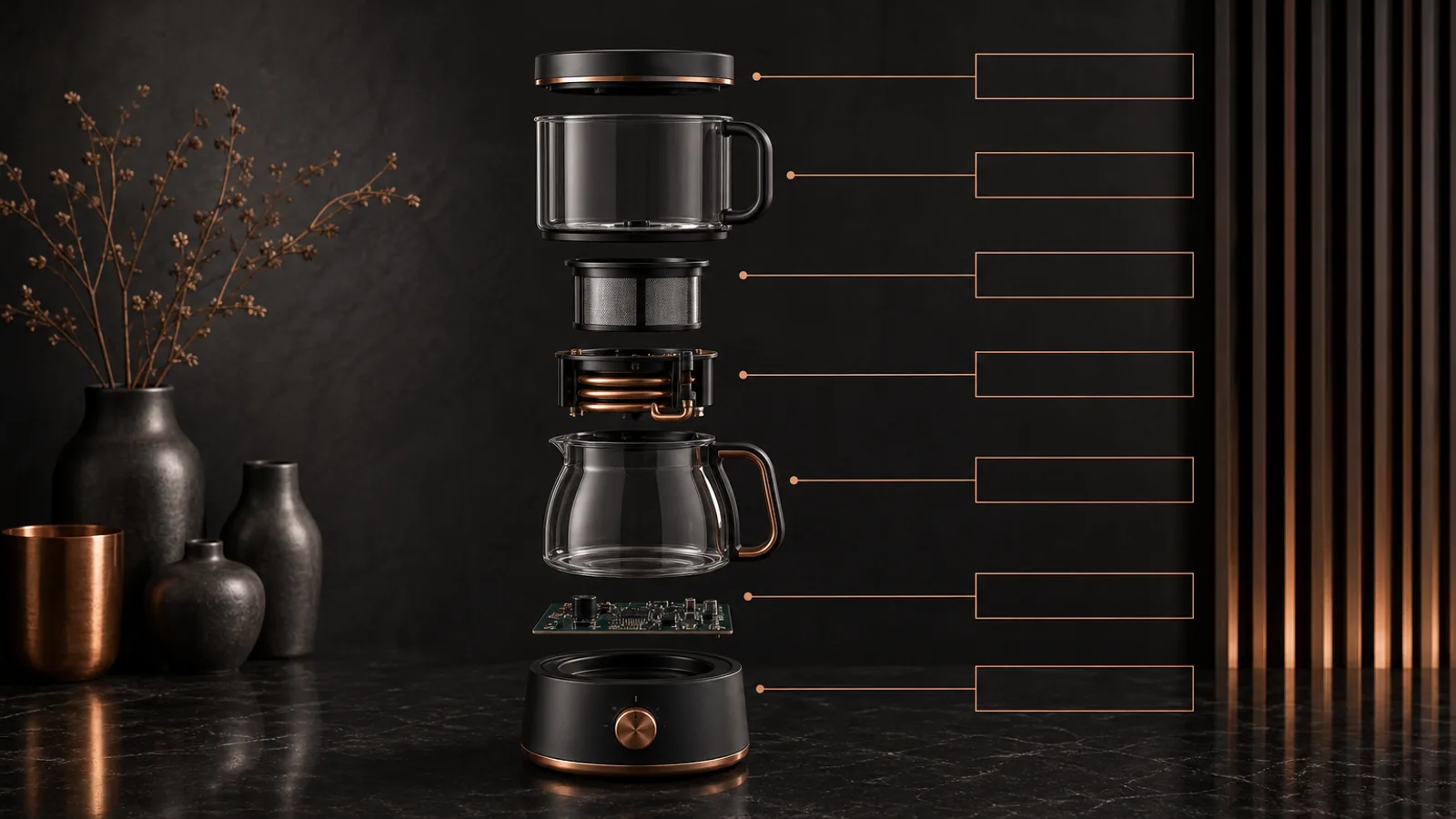
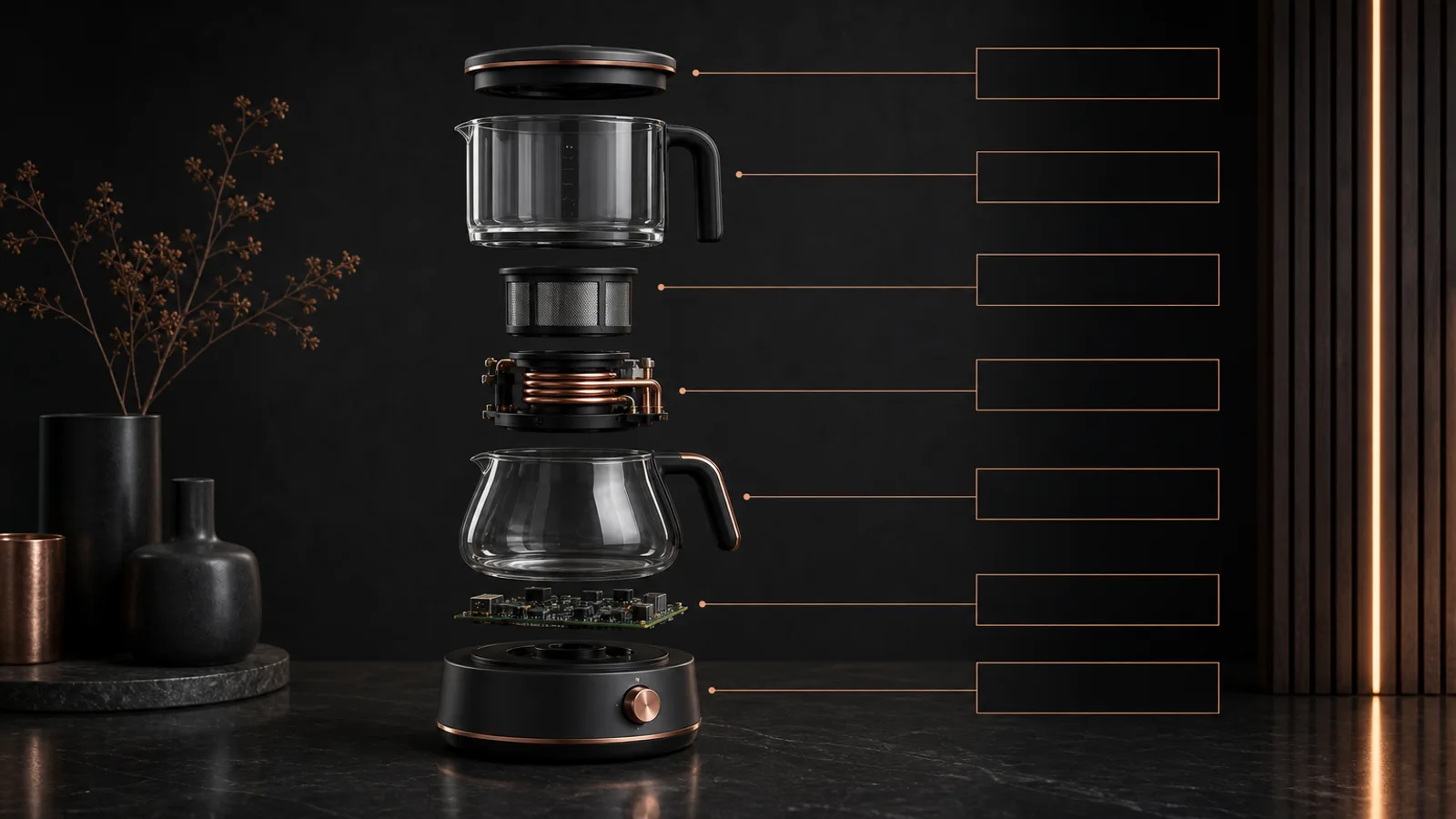
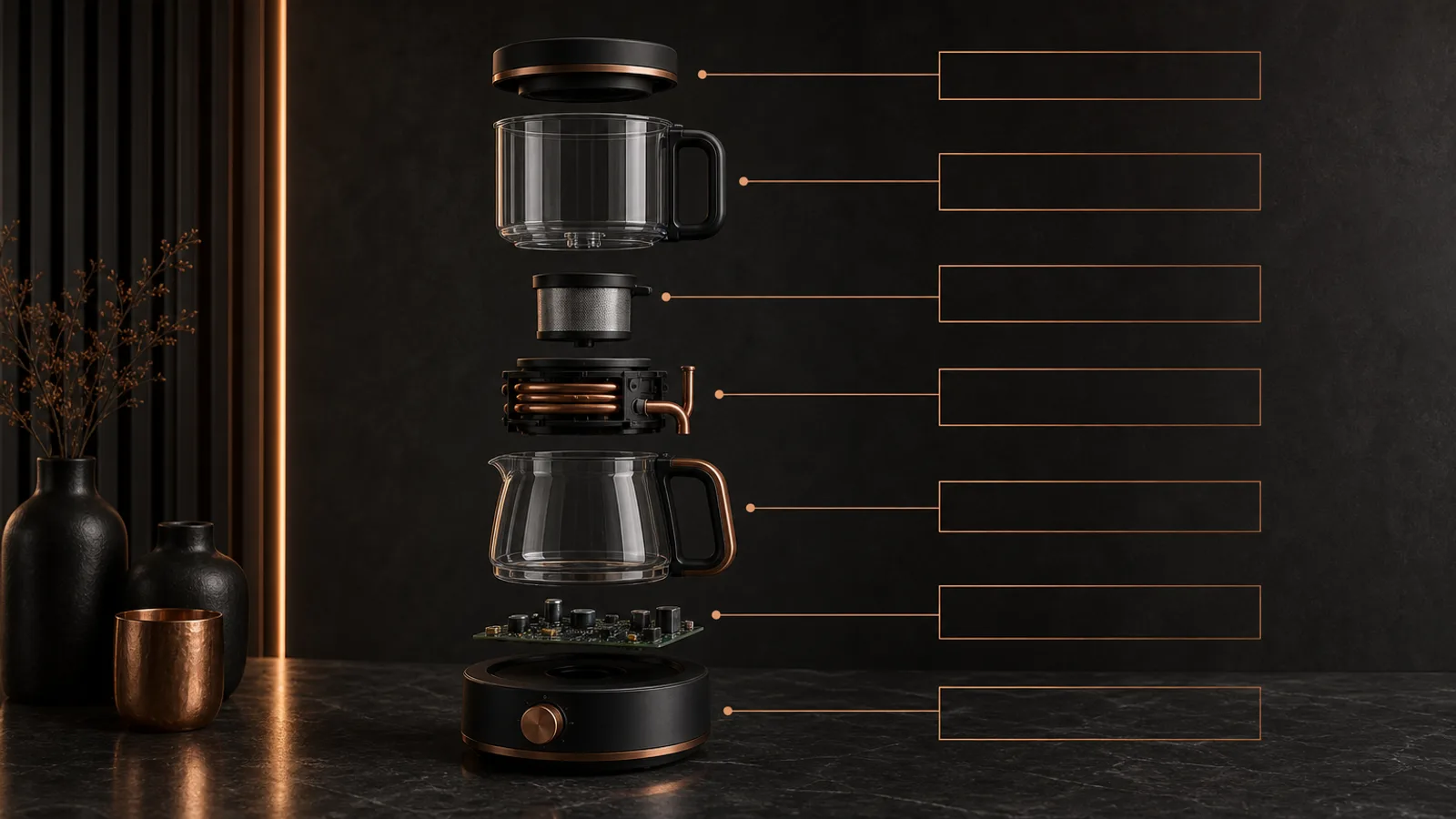
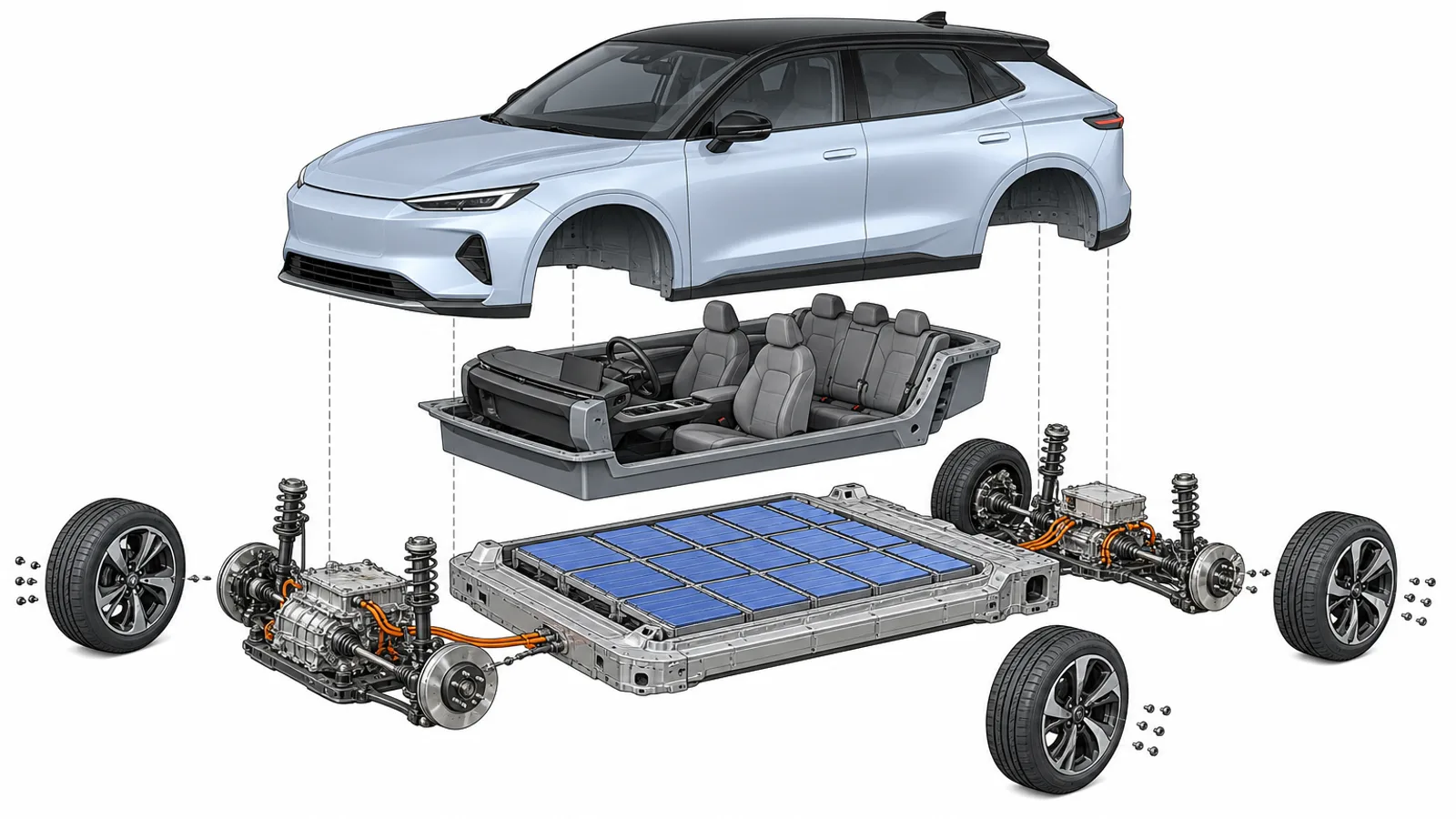
Launch art for kitchen and home appliances: an exploded view in a dark studio, each part floating in its approved order, with empty rails waiting for your checked specs.
Picked most often by
Updated Oct 30, 2026
Preview gallery


 FAL
Similar Skills
View all

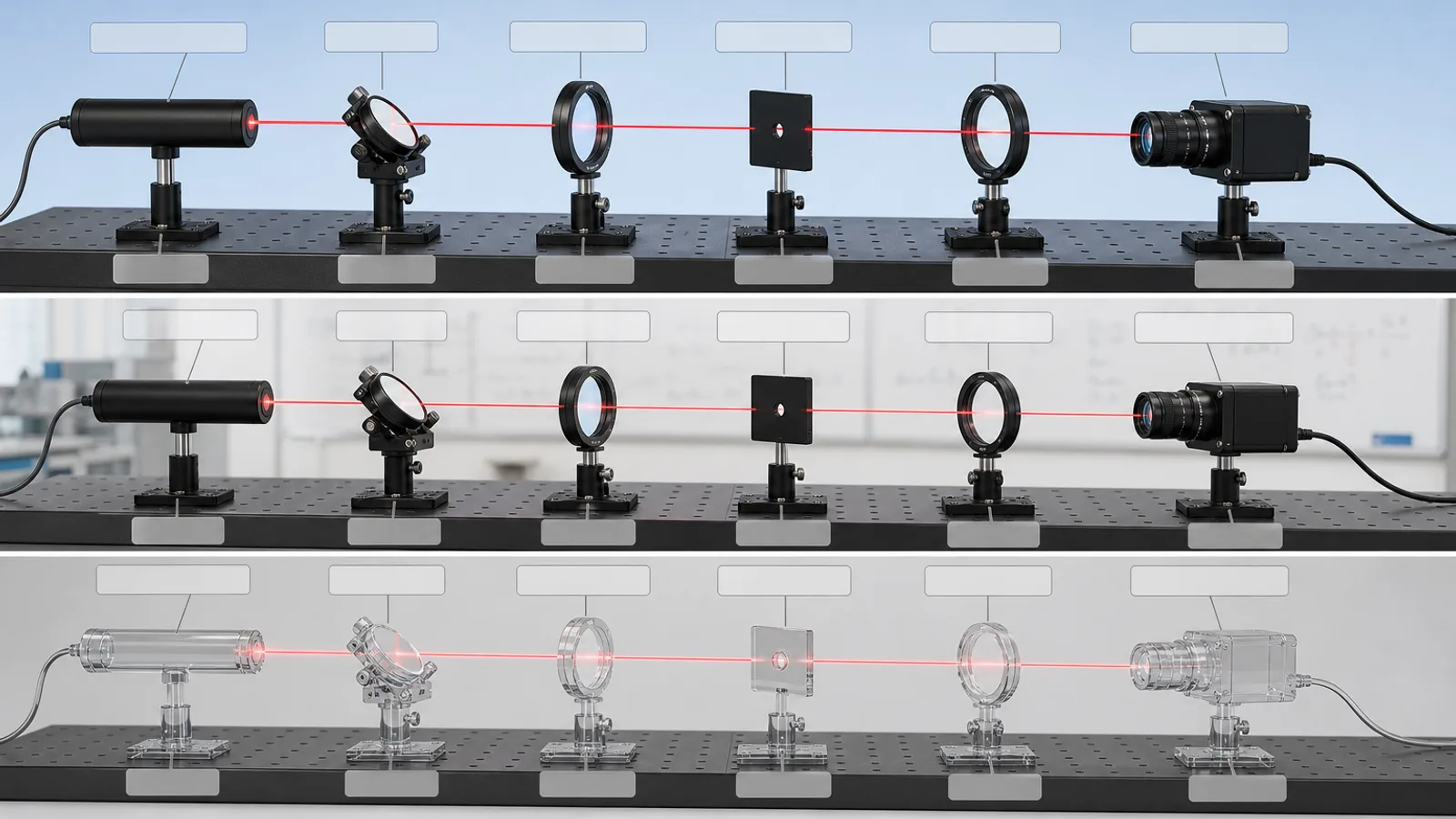

What you get
- Three 16:9 PNGs (1536×864), each counted against your parts list, with no logos or marks
- Unlabeled callout rails for specs typeset later in a layout tool
- The final evidence table, image brief, provider-task.json and open questions
Good fit
- Technical writers explaining how an appliance goes together
- Product photographers sketching out a structured technical hero image
- Marketers launching an appliance with approved facts and a story to tell
Not for
- Assembly guides or repair manuals
- Unchecked claims about wattage, capacity, weight, certification or durability
- Another company's logos or recognizable trade dress without permission
About this Skill
For product marketers using Claude Code with Fable 5, this Skill turns an approved parts list into a hero image showing how the appliance comes apart. The parts hang one above another on a vertical axis, lit low in a dark interior with warm copper on the edges, and a thin leader line runs from each to an empty label box at the side. The agent fixes groups and order before lighting, sends one paid request for three PNG compositions, counts the parts in each, then typesets names and figures from your table.
How it works
- Group the approved parts by job, for example base, housing, controls, water tank, heater, mechanism and carafe.
- Decide the order and the direction the parts separate in before any lighting or effect is chosen.
- Name only materials that were verified; a surface nobody checked gets a plain, generic finish.
- Render the hero with no text on it at all, then set the labels from your table in a layout tool.
- Inspect reflections, transparent parts, gaps and the part count in each of the three variants.
Checked before delivery
- Three separate 16:9 images with no unexpected logo, watermark or protected design
- Structure, order, counts and visual claims match the approved input table
- Exact labels, figures, citations and disclaimers are typeset after generation in a layout tool
- The images are delivered with the final evidence table and the unresolved points
What you need before you start
- You bring
- A product description or reference image you hold the rights to · The approved parts list and the order they fit together · A checked table of materials and specifications · Brand rules, or a clear instruction to leave it unbranded
- Dependencies
- Your FAL account, with FAL_KEY set · Node.js 20 or later
- Outside costs
- FAL_KEY
- Last tested
- v1.0.1 — Claude Code / Codex / Cursor
User reviews
Loading reviews…
FAQ
What should I gather before running it?
Four things: a product description or reference image you have rights to, the approved parts list with the order they stack in, a verified table of materials and specs, and either brand rules or an instruction to stay unbranded. If something is missing, the agent asks or leaves a marked placeholder; it never guesses quietly.
Are the figures in the picture final?
The picture carries no words or numbers. After you choose a composition, labels, values, citations and disclaimers are typeset from the approved table in a layout tool.
Can I call it an accurate engineering view?
No. It presents a product and is no proof of how exactly it is built or how well it performs; it is never offered as assembly instructions. Without a cleared reference, it draws an invented product shape.