Diff Story Filmv1.0.0
Use this Skill to make a launch video.
- Yours to keep: the files stay on your computer.
- Payment by Waffo Pancake, our merchant of record.
- 38 free Skills to try first
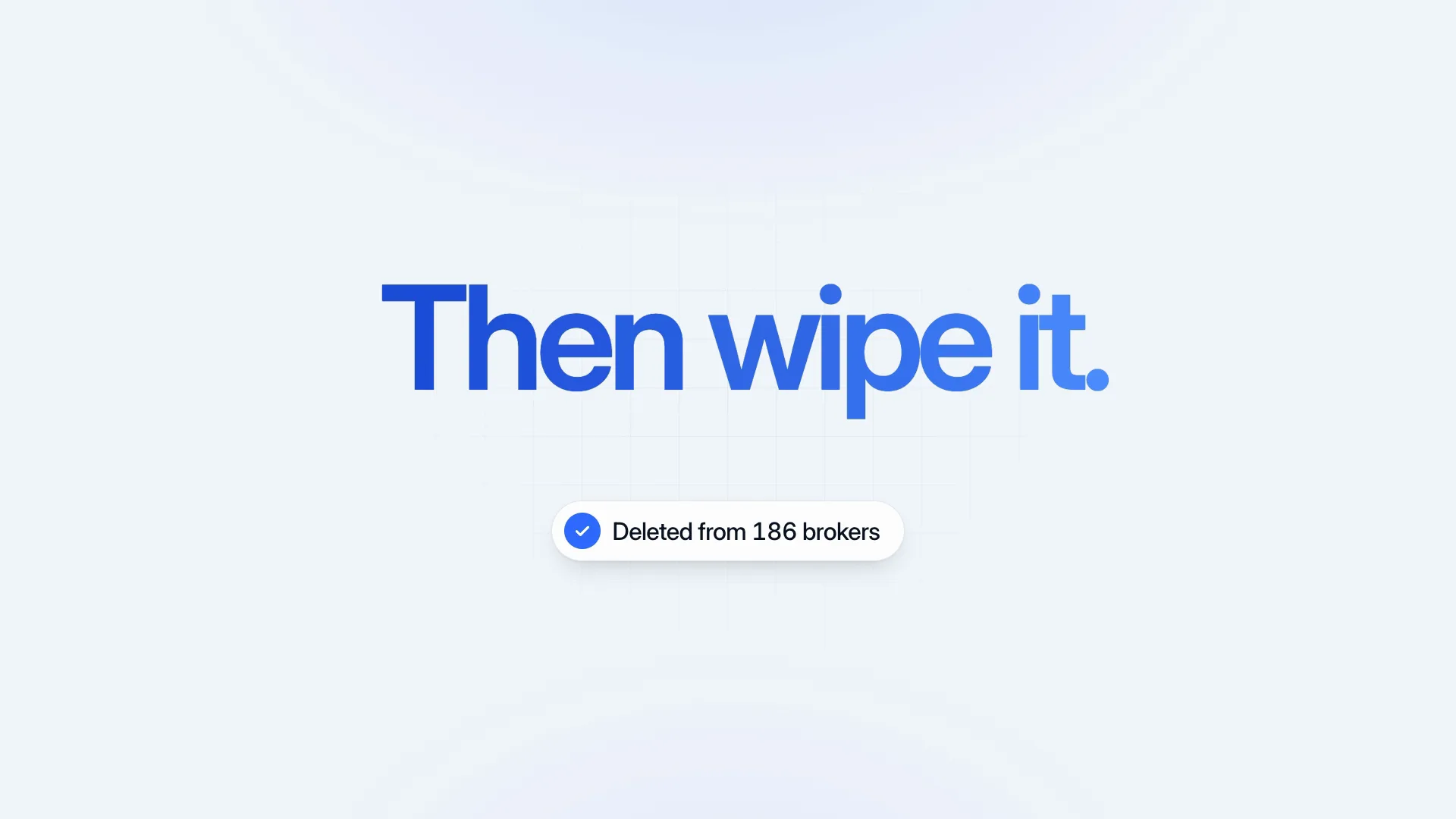
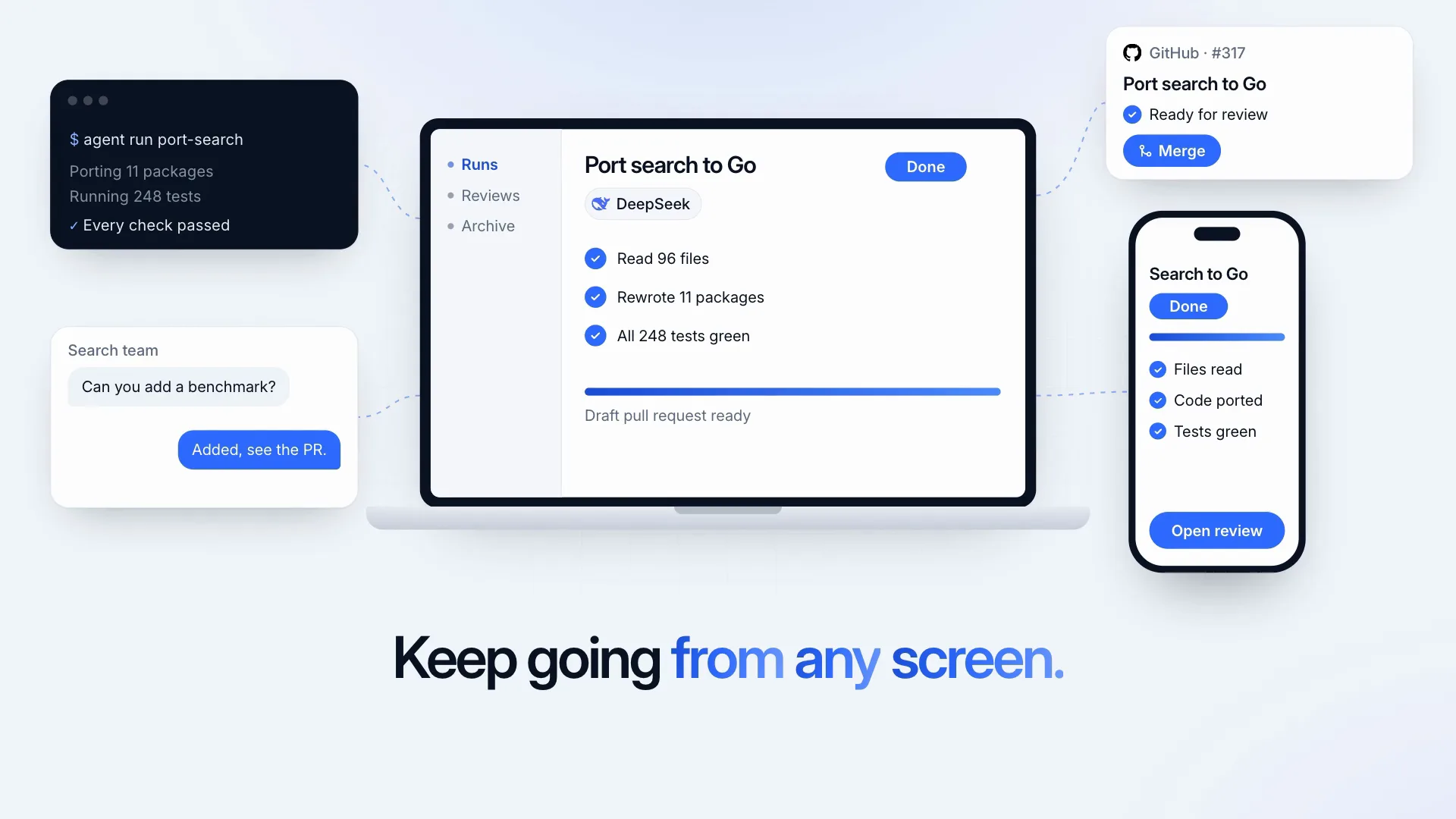
A video skill for Claude Fable 5 that turns a merged change into a short film for people who skip diffs: an unreadable scroll, one wink, one plain sentence, four tiles.
Picked most often by
Updated Nov 6, 2026
Preview gallery


Similar Skills
View all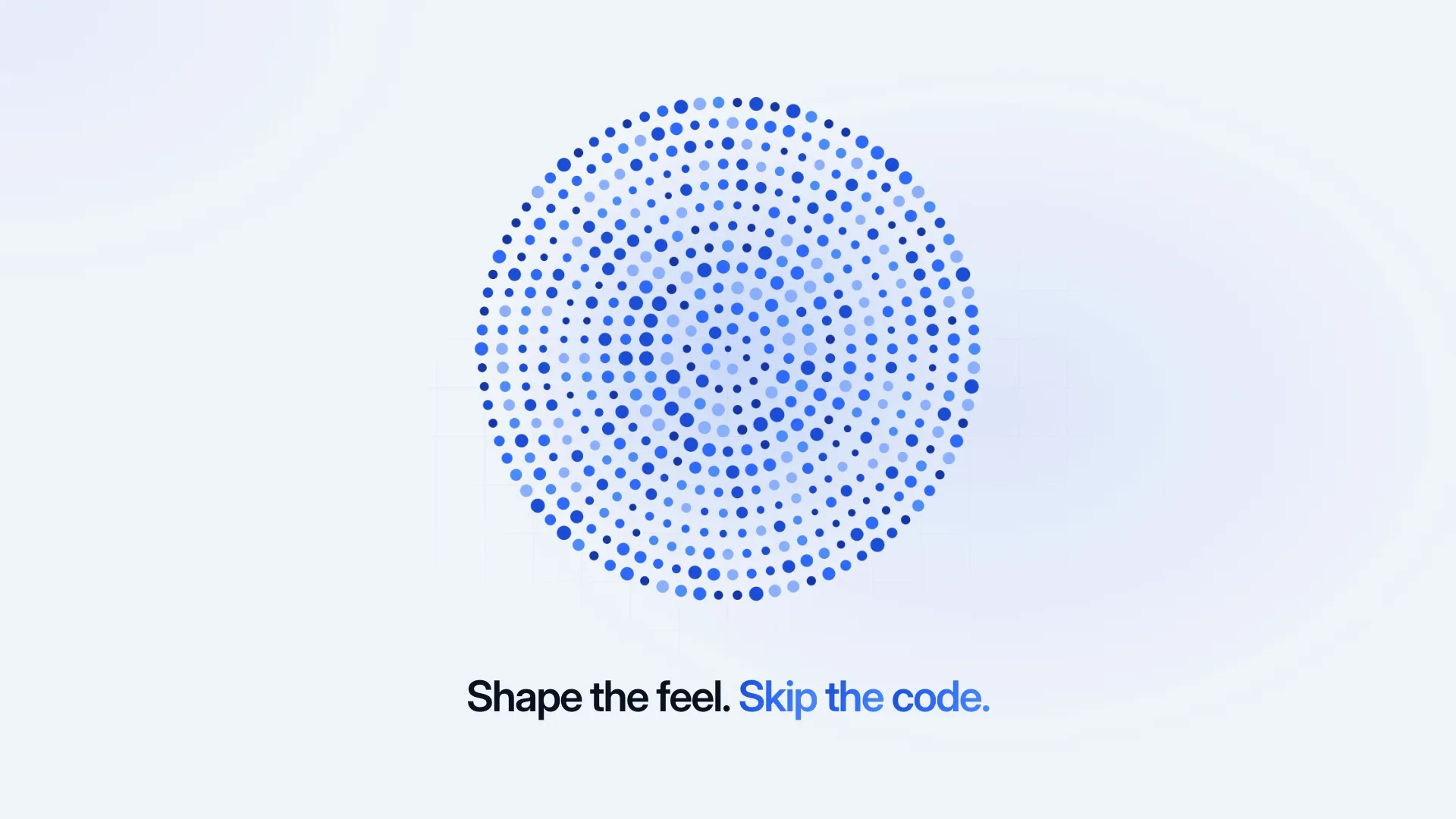

What you get
- One 1920×1080 MP4 at 30 fps, 26 to 34 seconds, with a music bed you supply plus typing and press sounds; the diff on screen is yours, set on a warm paper ground with one dark terminal
- The HyperFrames project: ten scene compositions, STORYBOARD.md with the seven copy slots filled, ledger.json and a single stylesheet for palette and type
- A handoff note giving the speed the scroll really ran at, the terminal's rights position and the pasted check output, so the fast scroll can be retuned on purpose instead of by feel
Good fit
- Sizable releases where a changelog line sells the work short to colleagues outside engineering.
- Teams able to show the real pull request, with its true paths, added lines and removed lines on screen.
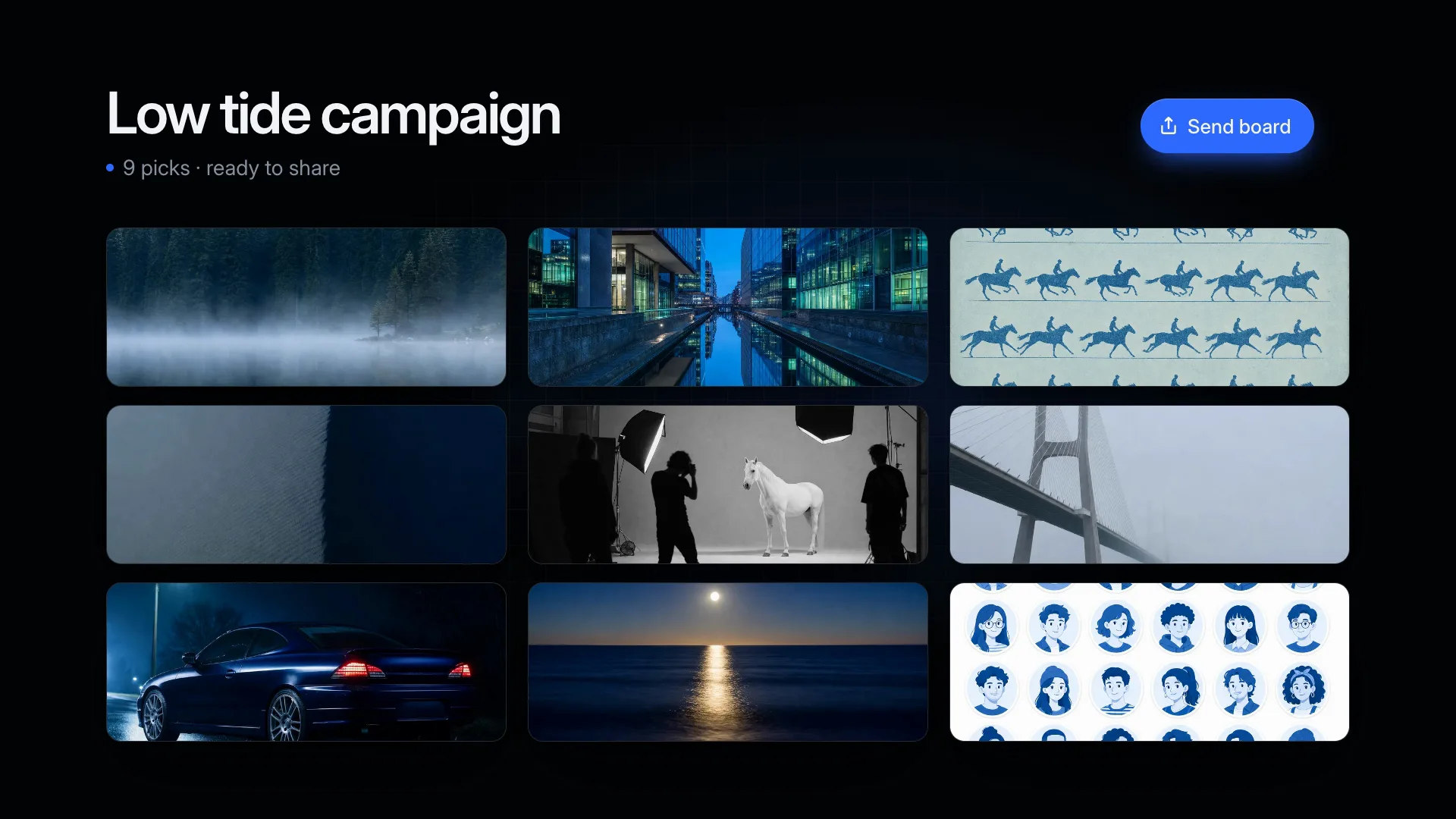
- Changes you can state in one sentence, with four separate effects to put on four tiles.
Not for
- Lessons and walkthroughs. Thirty seconds can make a case but cannot teach the subject.
- Tiny fixes that could never fill the running time and deserve a sentence in chat.
- Audiences of engineers, who get there faster by reading the code than by watching this.
About this Skill
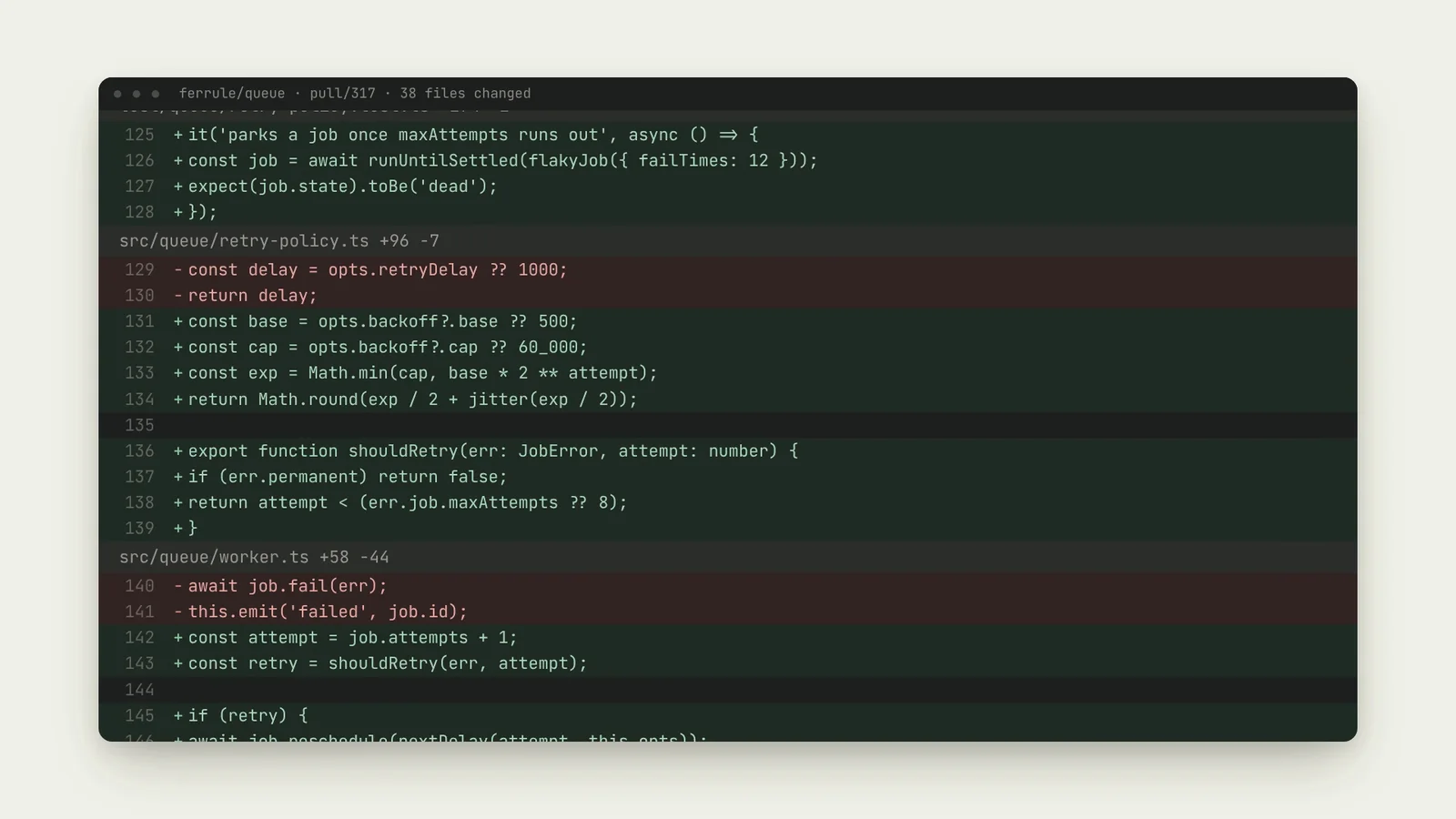
Engineers ship work that the rest of the company never sees. With this Fable 5 skill, a real pull request becomes a film of about 30 seconds aimed at those readers. A teammate's message goes out with the change attached as a chip, and the genuine diff flies up the screen at a speed nobody can follow, sharp and unblurred. A card on screen for under a second concedes the point. From there the film gets serious: a single standup sentence, the command running in a dark terminal, then four fast tiles with four different kinds of proof. It closes where it began, in the same composer, with your install line typed and sent. Paper ground, clay accent, code only: the whole thing is HTML, CSS, SVG and GSAP, rendered by HyperFrames with no image or video model.
How it works
- Share the pull request, commit range or branch, a one-sentence summary in standup language and four effects of the change
- The retarget checklist covers the diff, the terminal's rights and every name that would appear on screen
- Storyboard and ledger come first; the design system and the scroll beat are built and timed before anything else
- The other scenes follow one by one, each run through HyperFrames lint and check
- After you approve the preview, the film renders to MP4 and ffprobe reads it back
Checked before delivery
- The scroll shows the real diff at 900–1200 px/s, linear and unblurred, and cuts to the punch card mid-scroll
- Each tile carries one idea with its own kind of evidence, and the closing command actually works
- npx hyperframes check reports zero findings and the render is 1920×1080, 30 fps, 26–34 s
What you need before you start
- You bring
- The real change: a pull request, commit range, branch or diff export · A one-sentence summary in plain standup language · Four capabilities the change delivers, one per tile · The install or invocation command the film closes on · An interface you own, or approval to build a neutral original terminal
- Dependencies
- HyperFrames CLI and skills · Node.js 22+ · FFmpeg
- Outside costs
- None
- Last tested
- v1.0.0 — Claude Code / Codex / Cursor
User reviews
Loading reviews…
FAQ
What is the point of a scroll nobody can read?
It shows the size of the work and sets up the joke: a card admits no one reads these, and then the film says what changed in one sentence and four tiles. The text stays sharp because viewers could have read it.
Can the diff be a sample or a rough description?
The scroll needs the genuine article: true file paths, added and removed lines, real counts. When your agent cannot get the real change, it stops and does not make one up.
Will the film show the coding agent my team uses?
Only when that interface is yours or its owner has agreed in writing. Otherwise your agent draws a plain terminal with its own chrome and icons, and the handoff calls it representative.