Momentum UI Stingv1.0.1
Use this Skill to make a launch video.
- Yours to keep: the files stay on your computer.
- Payment by Waffo Pancake, our merchant of record.
- 38 free Skills to try first
A product sting skill for Fable 5: 10 to 13 seconds where every cut passes its speed to the next scene and seven screens play as one move. MP4 and one-file project.
Picked most often by
Updated Nov 6, 2026
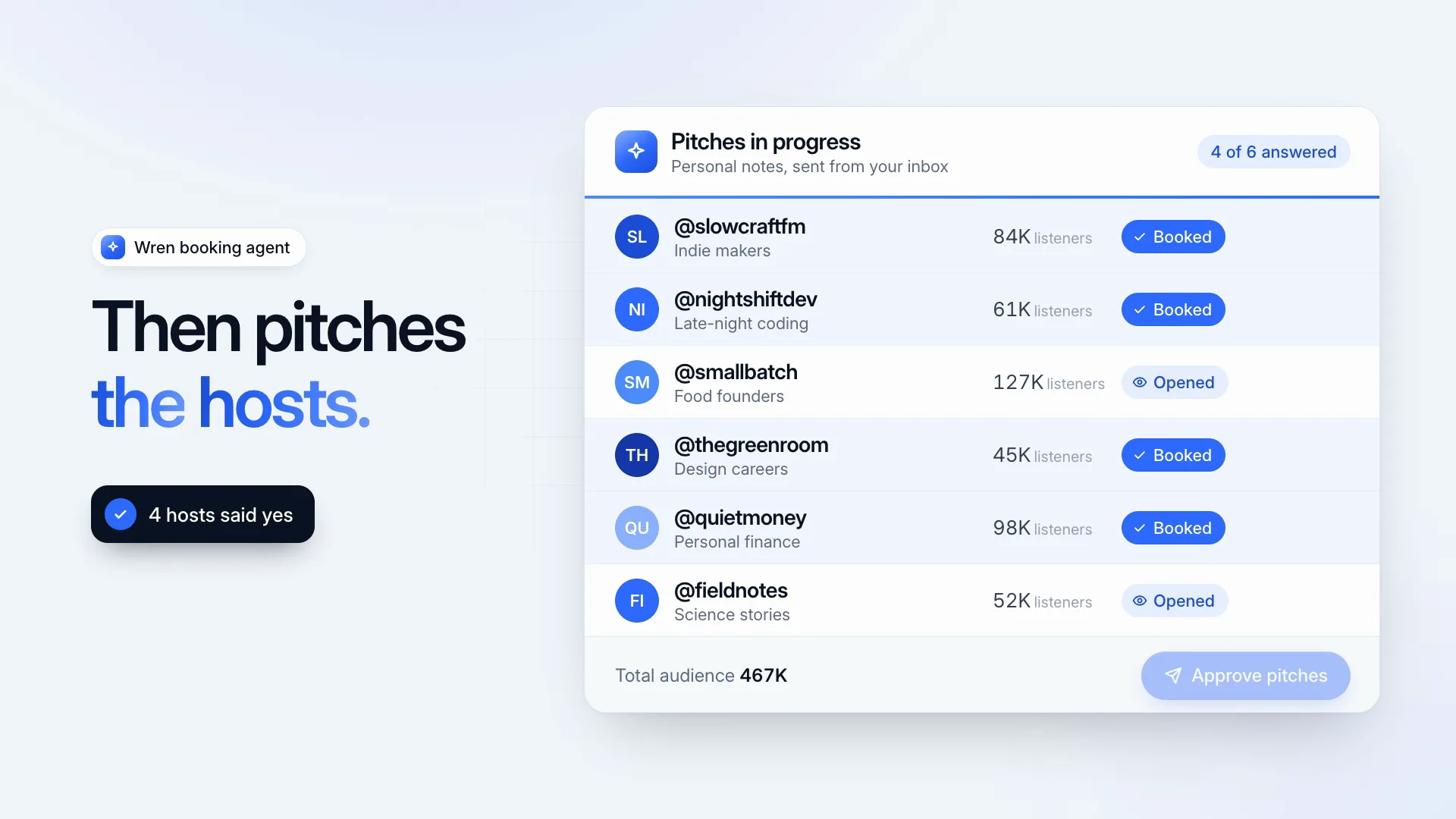
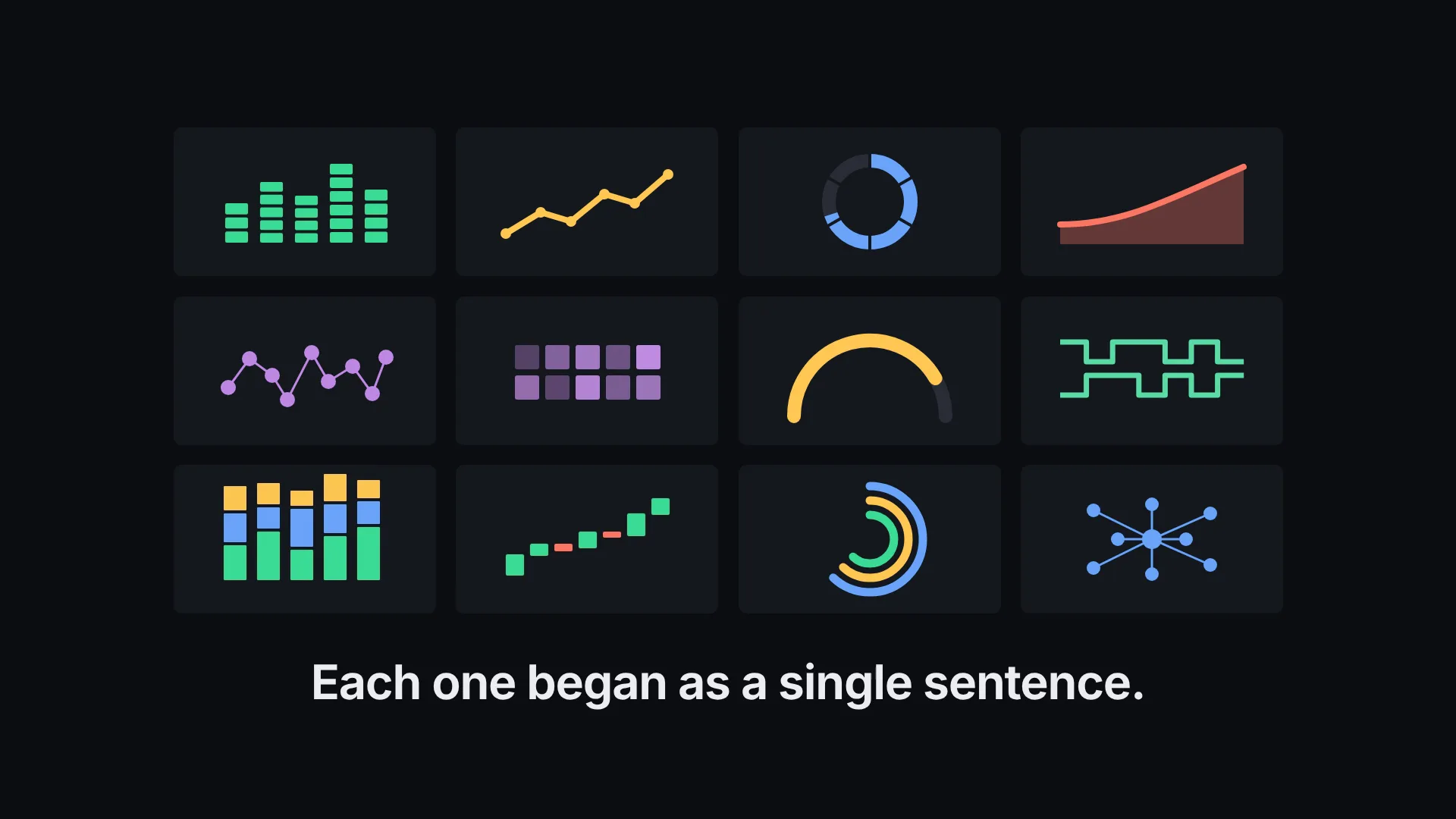
Preview gallery


Similar Skills
View all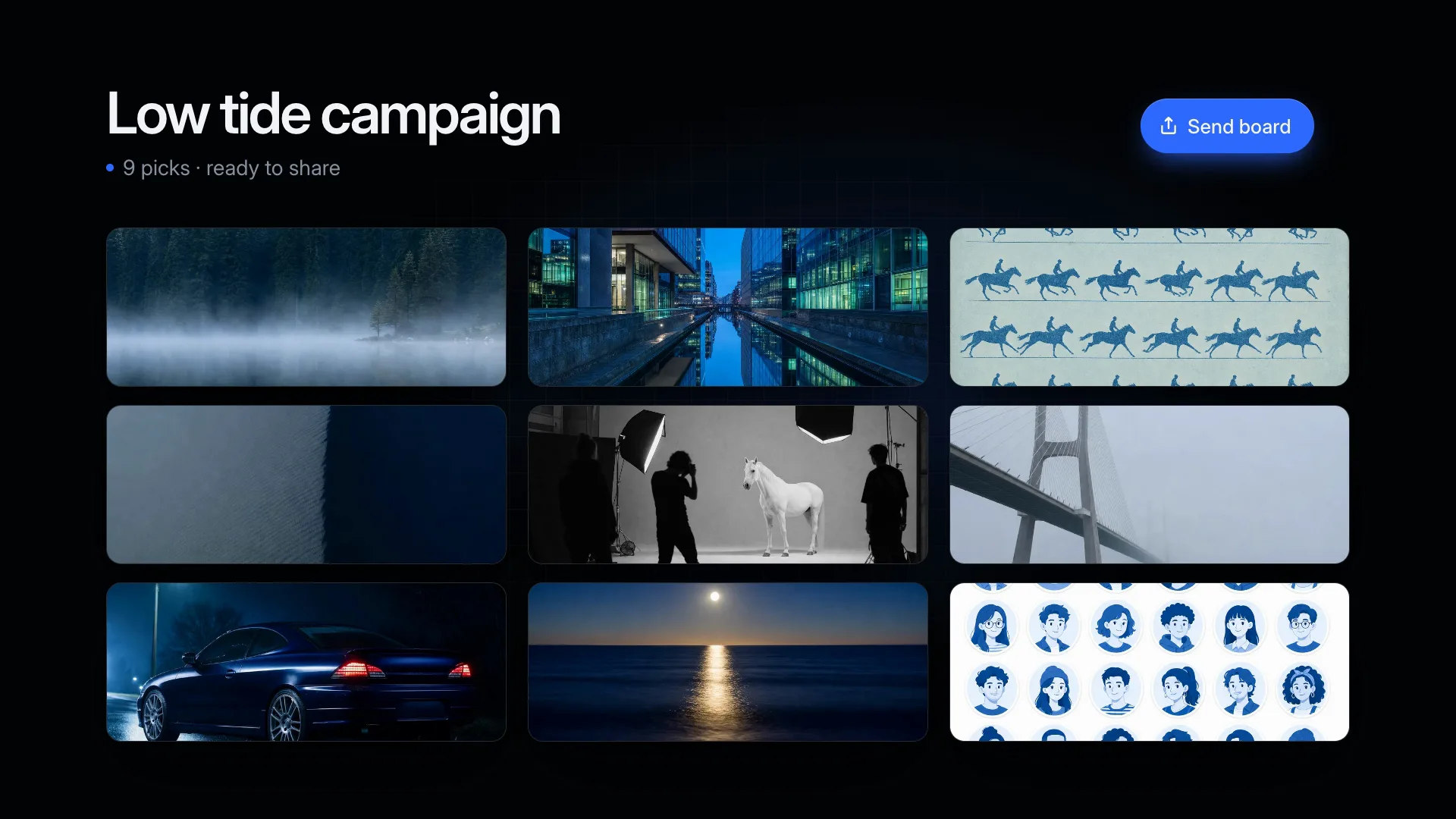

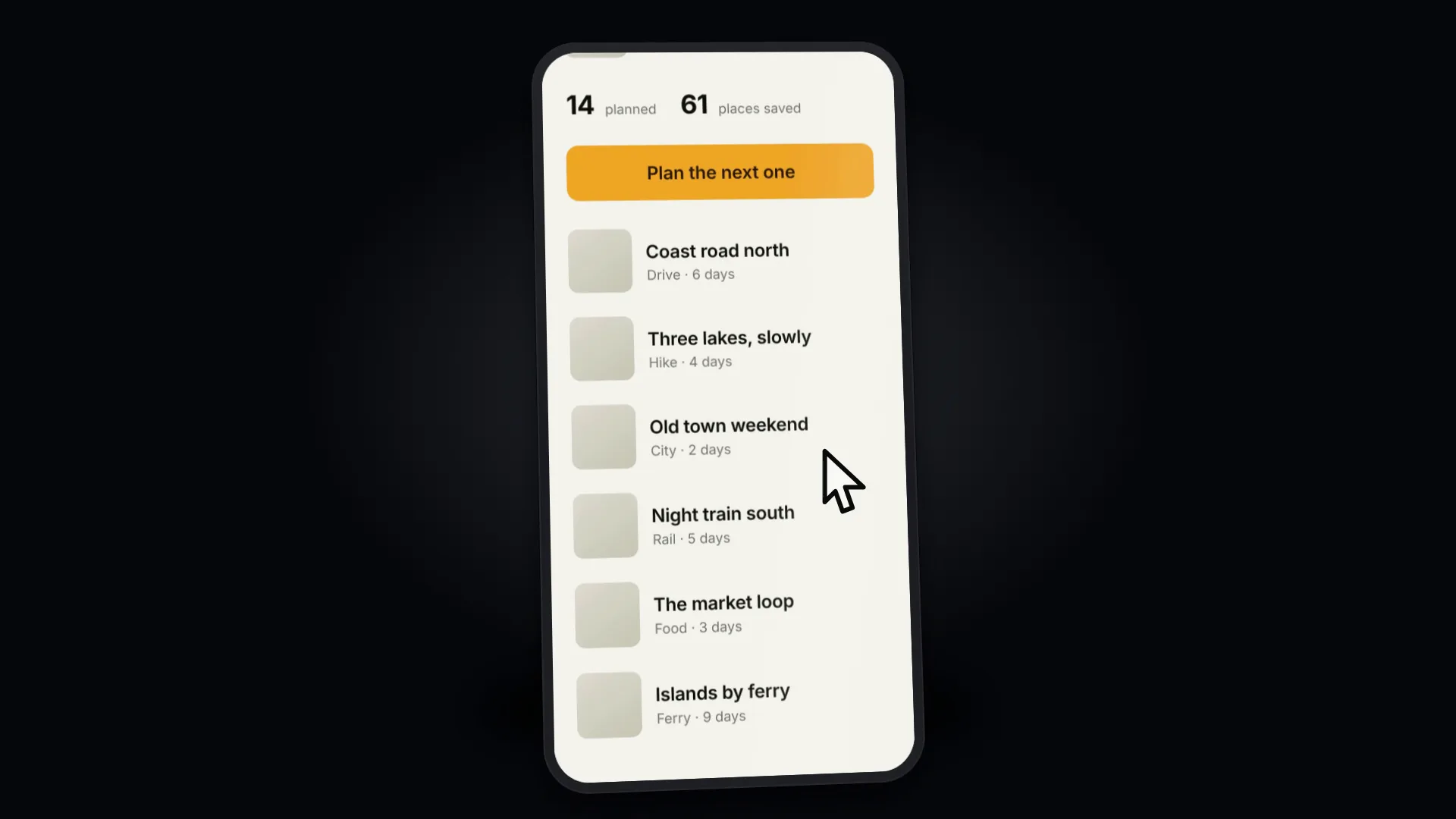
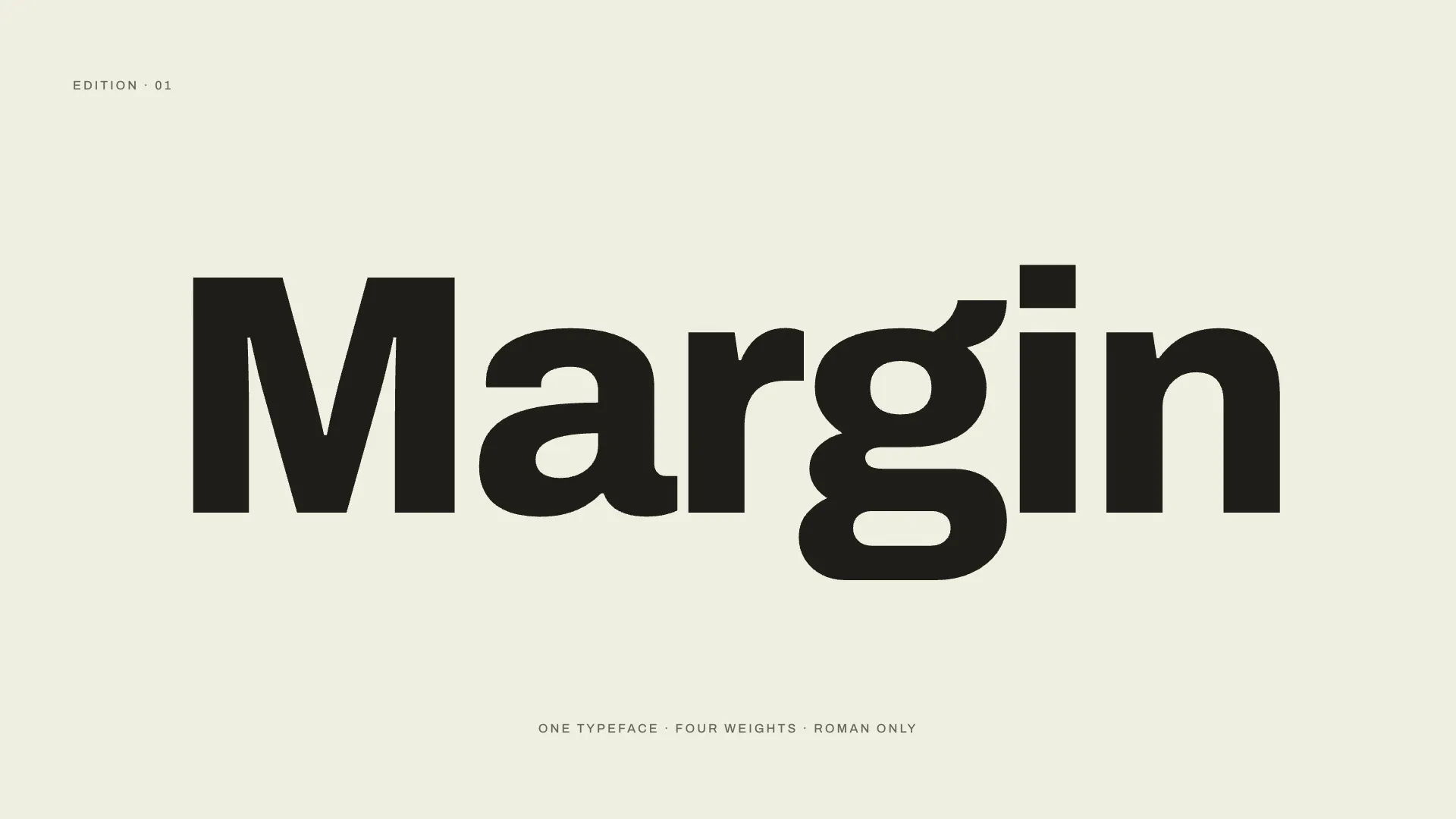

What you get
- An MP4 of 10 to 13 seconds at 30 fps, square, vertical or wide, moving from your lockup through sign-in, one figure, your navigation and one action to a closing card.
- A single-file HyperFrames project with no build step, plus ledger.json recording the axis and sign of each cut, so a later rebrand cannot quietly break the motion.
- A handoff note with a table of all six seams, their measured speeds and the tool versions, built on two rules: one family of eases, and nothing at rest at a cut.
Good fit
- Social posts, launch-day loops, conference bumpers or the opening ten seconds of a longer piece.
- Products with genuine screens to show: a way in, a figure users quote, a navigation and a create button.
- Teams expecting to rebrand the sting later, or to make a matching second one.
Not for
- Explaining the product. There is no time to build an argument, so the piece works as mood and pace.
- Products lacking navigation or a create control, where two of the slots would be invented and look it.
- Films wearing a rival's or partner's screens. Each surface has to be yours or a neutral original.
About this Skill
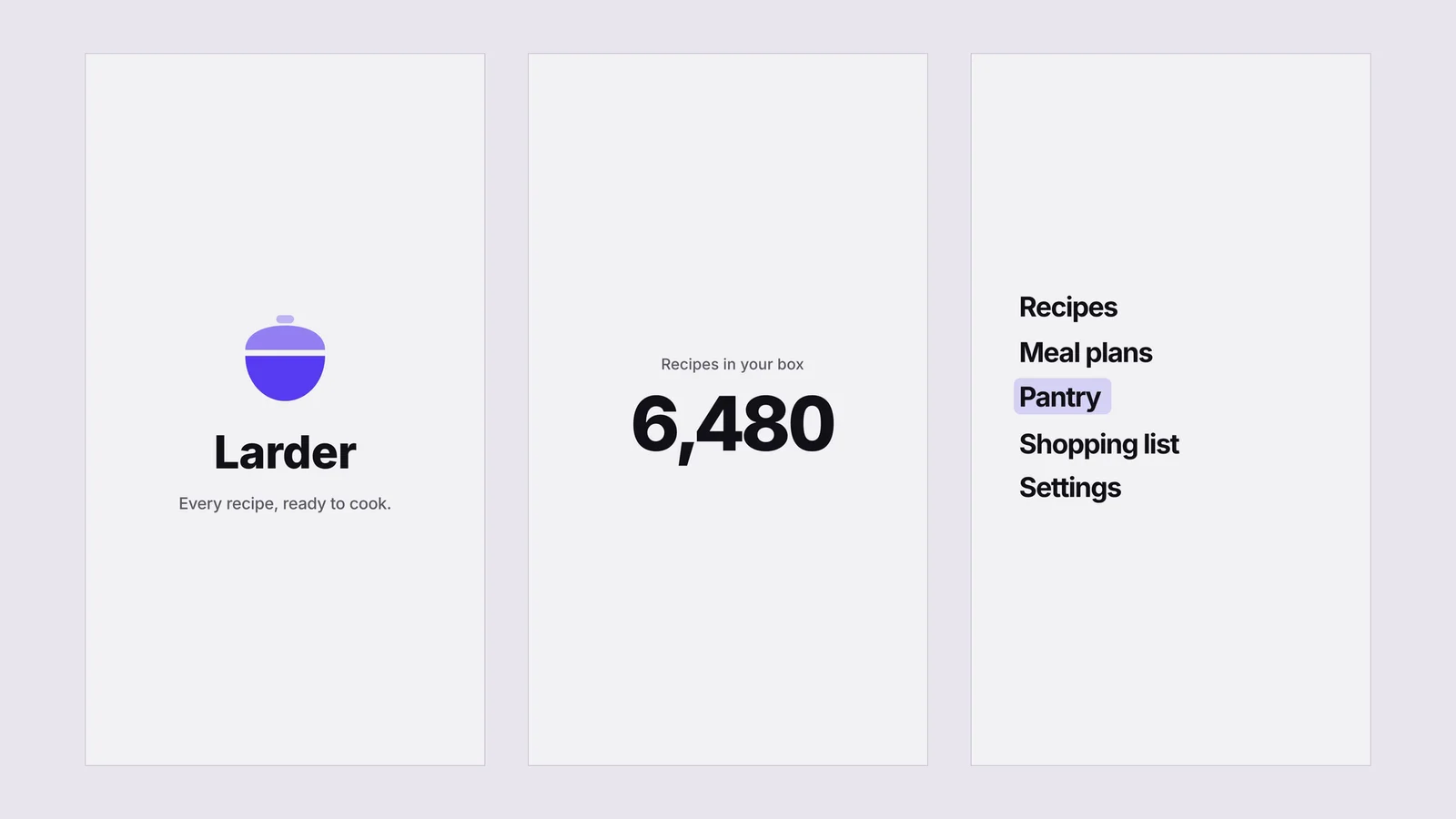
Short launch clips often feel like slides because each shot settles before the next begins. This Claude Fable 5 video skill forbids that. Across 10 to 13 seconds your product's real surfaces pass by in a fixed order (two-part lockup, the way in, that screen closer, one figure, the real navigation, one create action, the closing card) and nothing stops at a cut: the outgoing scene is still traveling when the frame changes, and the incoming one arrives moving on the same axis. One exponential curve brings things in and its mirror takes them out. Typing, the counter and the highlight's route are stamped per frame, and anything that depends on text width is read from a real render. What comes back is the MP4, one HTML file with no sub-compositions, and a ledger of all six seams that survives a rebrand.
How it works
- Your real screens get mapped to the seven slots, within their copy budgets
- Four brand tokens go in, and the mark is placed after its true path bounds are measured
- The seam ledger and frame plan are written before the first line of HTML, then the film is built in one file
- Typing, counting and the highlight are stamped frame by frame, and text widths come from a settled render
- All six seams are measured, HyperFrames check reaches zero findings, and the MP4 renders
Checked before delivery
- All six cuts keep moving: each exit is still travelling and each entry arrives already moving on the ledger's axis and sign
- Every move uses the EO/EI pair; typing, odometer values and the highlight route are stamped per frame
- npx hyperframes check reports zero findings and the render is 10 to 13 s at 30 fps
What you need before you start
- You bring
- What fills the seven slots: a two-part lockup, the sign-in or first screen, one figure, the real navigation, one create action, a closing line · Four brand tokens: ground, ink, one accent and a hairline · The mark as a file, in two parts if it has them · The canvas: square, vertical or wide · Optional: a music bed you hold a licence for
- Dependencies
- Node.js 22 or later · The HyperFrames CLI, plus FFmpeg · The HyperFrames skills, plus motion-doctrine, seam-craft, cut-the-curve and oversized-cursor installed by name
- Outside costs
- None
- Last tested
- v1.0.1 — Claude Code / Codex / Cursor
User reviews
Loading reviews…
FAQ
How can a cut carry speed?
On each side of the frame change, both scenes are in motion on the same axis and sign at a similar speed. Each cut gets a ledger row; your agent measures both velocities around it and reports the ratio.
Will it pull my logo and colors on its own?
The capture command can, but only on a site you own or may use with written permission. Anywhere else, your agent asks for the mark file and three hex colors, which are enough to build the film.
Is the running time fixed?
Retiming is allowed between 10 and 13 seconds. Every frame number that moves reopens the seam before and after it, so both get measured again.