Fanned Cards Magazinev0.1.1
Use this Skill to build a product website.
- Yours to keep: the files stay on your computer.
- Payment by Waffo Pancake, our merchant of record.
- 38 free Skills to try first
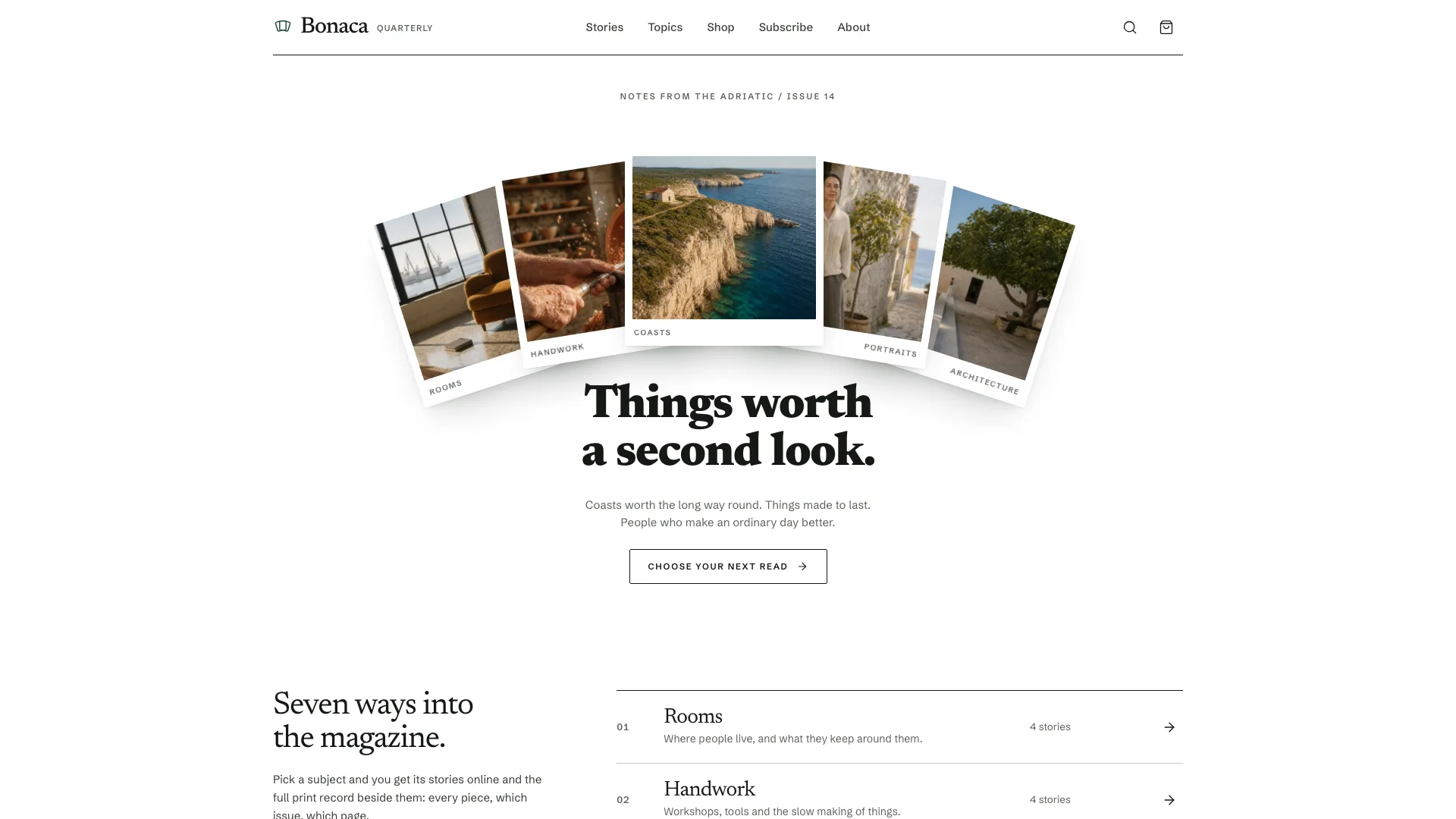
An independent magazine website skill for Claude Fable 5: a white editorial site opening on five fanned story cards, with a ruled topic index, long reads, a shop and subscriptions in one offline file.
Picked most often by
Updated Nov 6, 2026
Preview gallery


Similar Skills
View all

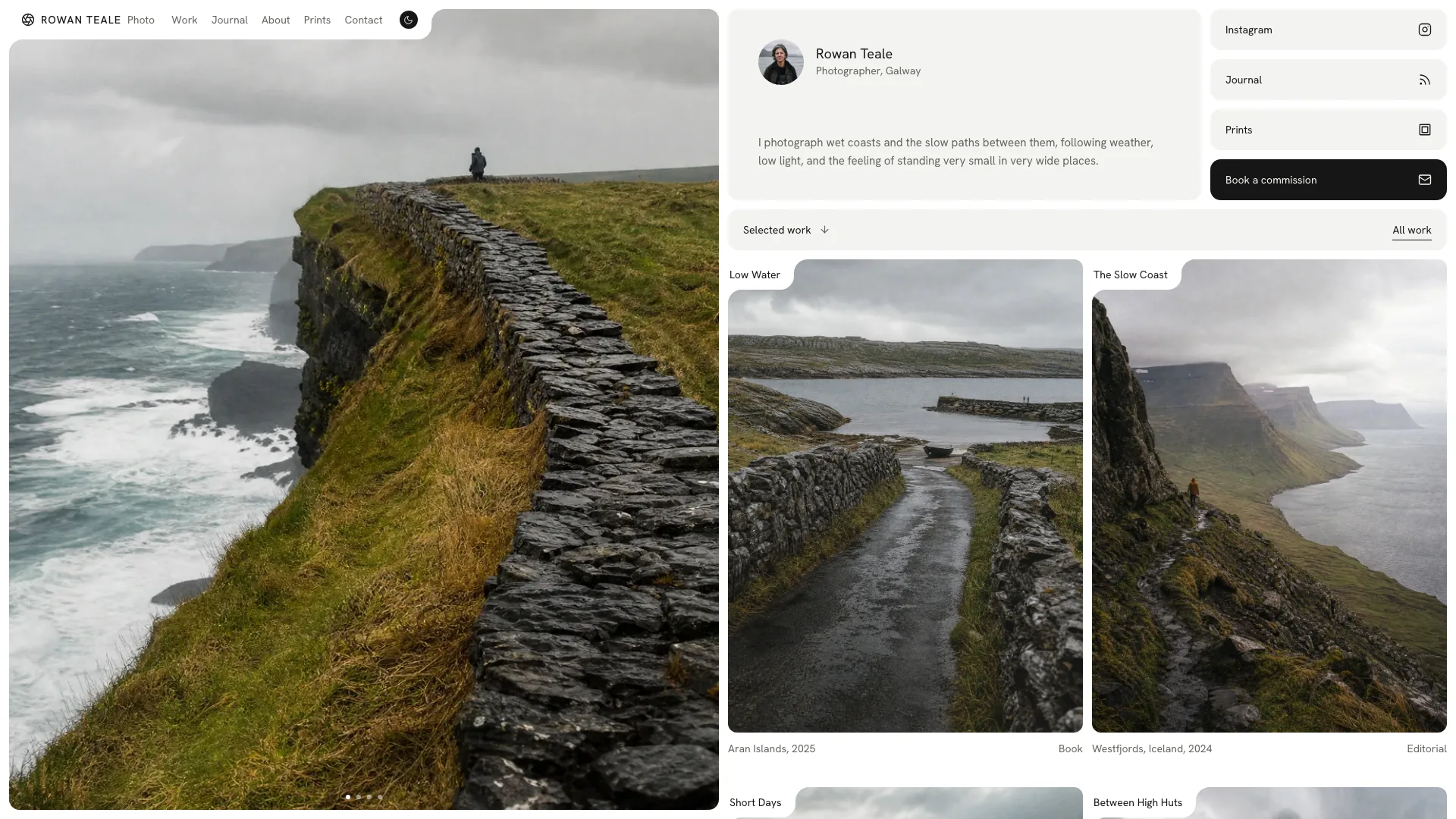


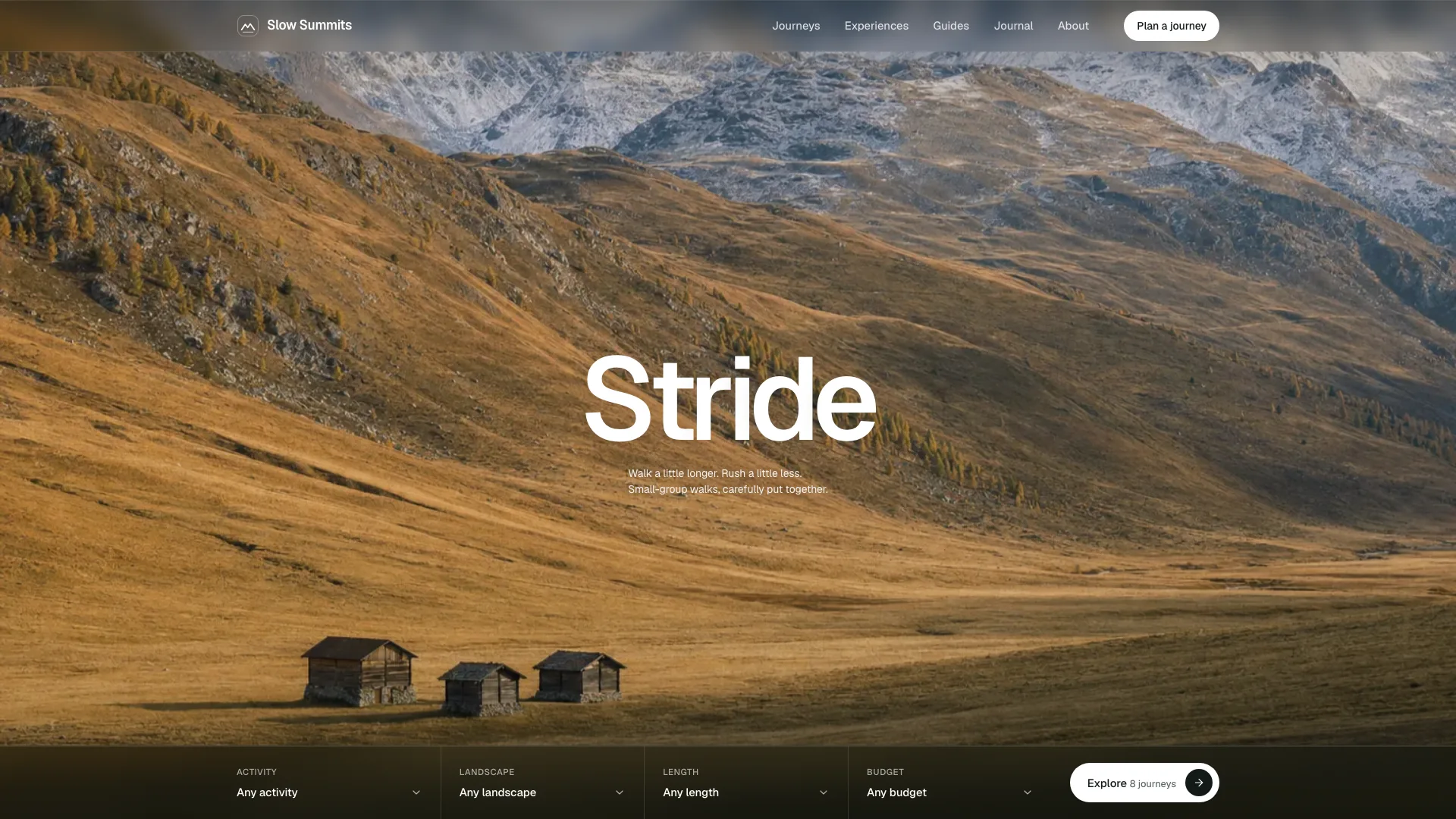

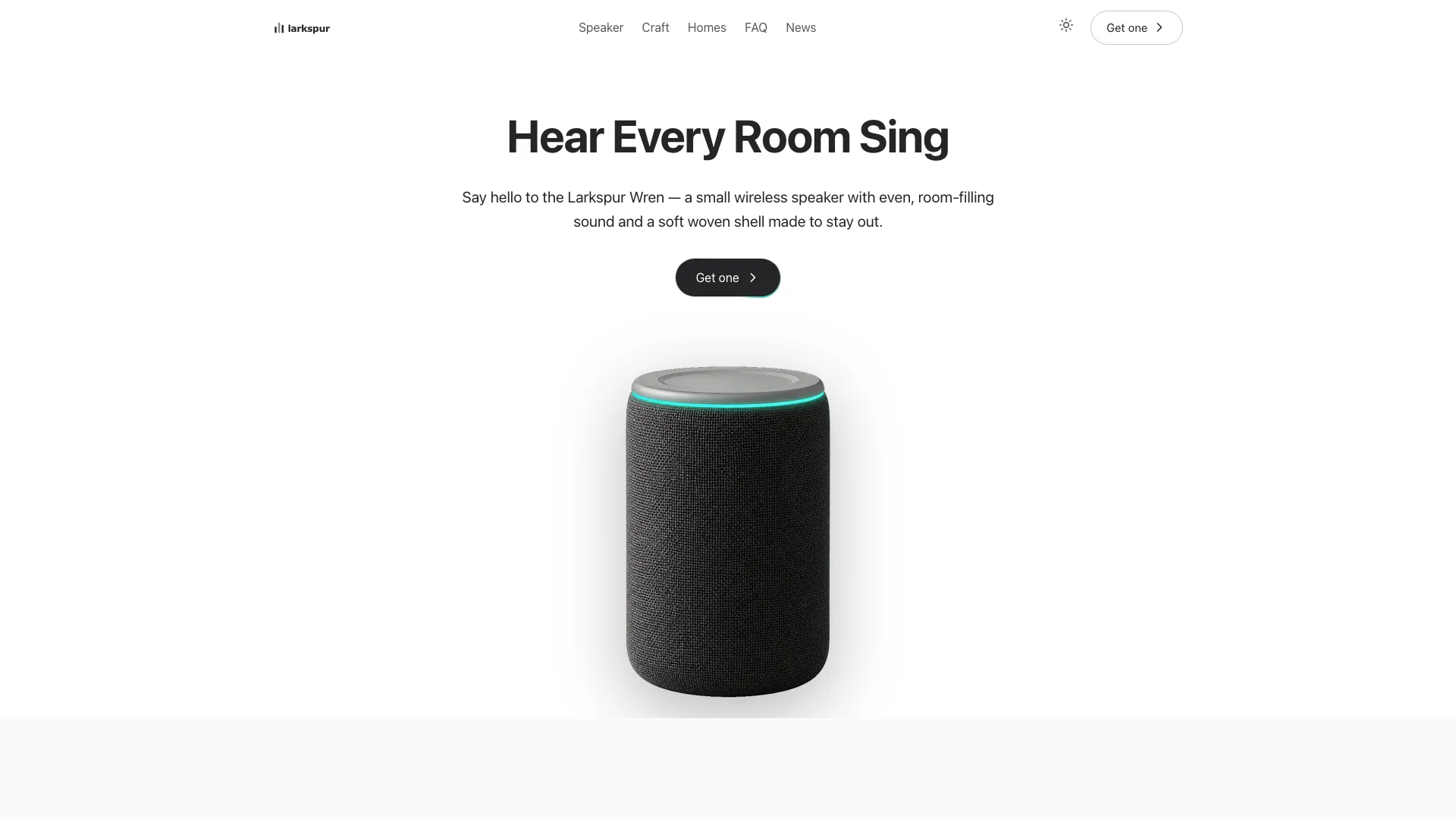
What you get
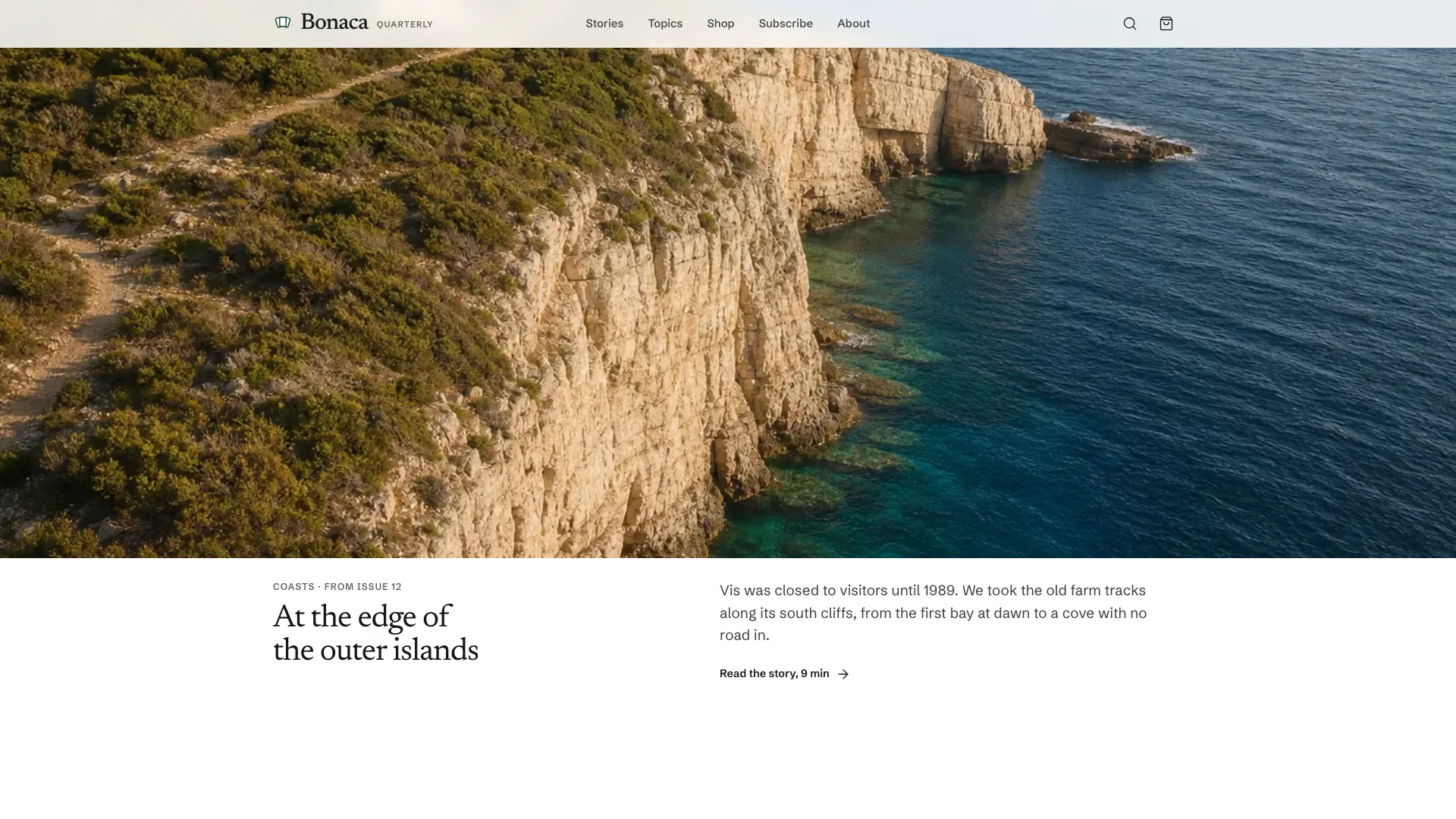
- A single offline HTML site: the fanned hero, a numbered topic list with thumbnails on hover, 7/5 grids of stories, a full-width feature, a carousel of portraits, this issue's cover beside its contents, counting figures, readers' letters and a newsletter band
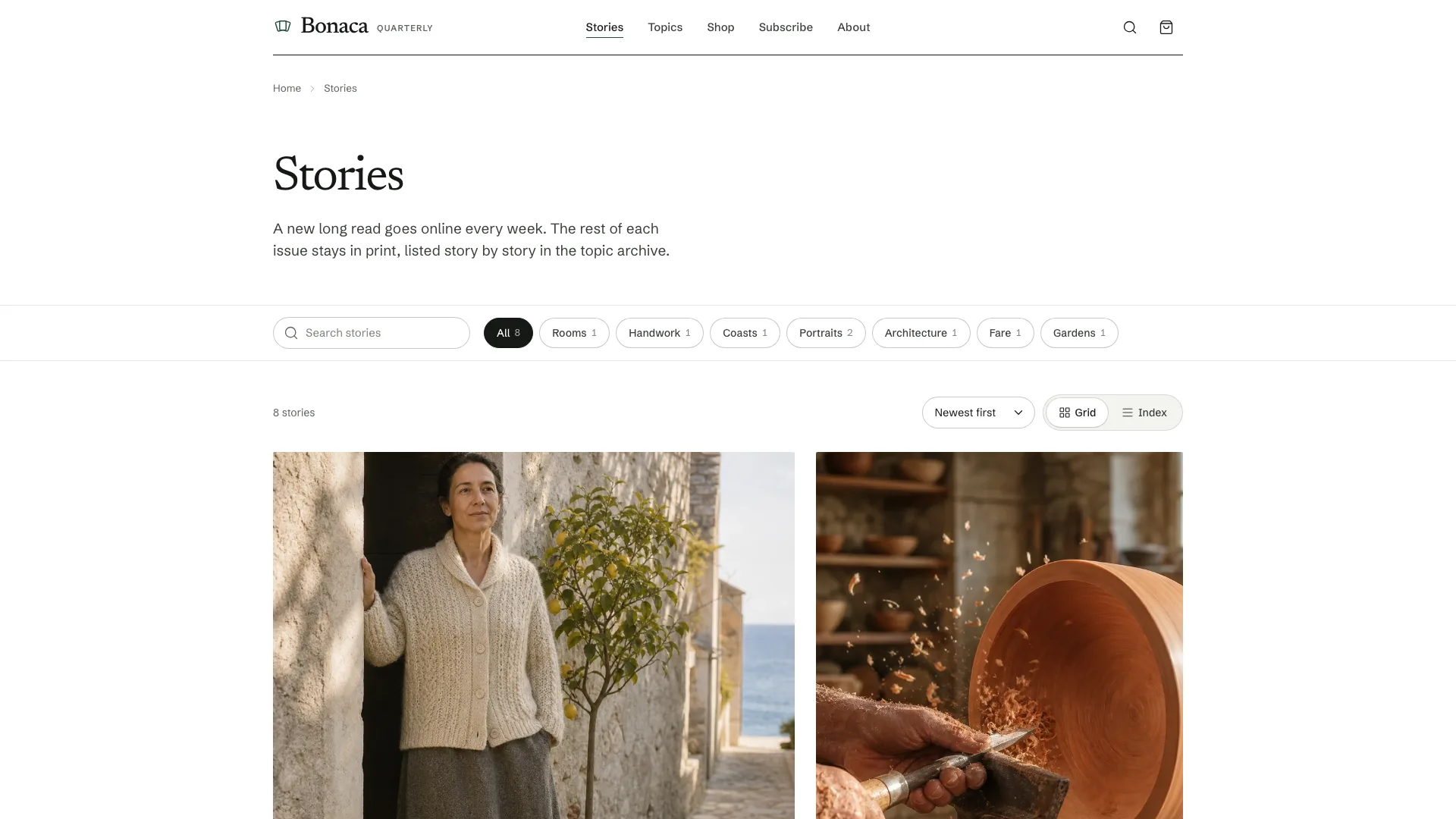
- A searchable story index filtered by topic or saved items, with sorting and a compact list view; articles carrying key facts, a pull quote and their topic's print archive; topic pages; a shop of framed prints and composed covers whose preview follows each option
- A slide-out bag and a bag page, checkout that checks every field, gift-ready subscriptions, about, tabbed contact, the newsletter, FAQ, delivery, terms, privacy and a designed 404, together with a photo plan and a validator
Good fit
- Print quarterlies and travel or culture journals selling issues, prints and subscriptions
- Makers and studios running a journal alongside a small shop
- Editorial brands wanting long reads and a quiet white page where photographs carry the work
Not for
- Taking live payments or tracking stock: checkout just displays an order number and transmits nothing
- News sites posting many short pieces each day
- Brands after dark or heavily coloured pages; apart from a single pine accent, everything is ink on white
About this Skill
Fanned Cards Magazine is a website skill for Claude Fable 5 that builds the full site of a small publication. The first screen deals five paper story cards across white space beneath a heavy serif headline, followed by a numbered topic index, generous photo grids and long articles that open on a drop cap and track progress with a reading line. Further in sit a shop selling framed prints and composed covers, a bag with checkout, subscriptions that can be given as gifts, and the service pages a real magazine needs. Everything lives in a single HTML file with 36 routes that works offline.
How it works
- Gather the stories, topics, issues, prints, plans, people and delivery rates of the publication, keeping to facts you can confirm
- Write a single art direction; each photo slot is regenerated from it at the same size and crop
- The agent fills the content block and page copy, packs the site into a single file and reruns the validator until no trace of the worked example remains
- Check the site on phone, tablet and desktop, try the forms, checkout, the bag, filters and search, then tell it what to adjust
Checked before delivery
- validate.mjs passes: single file, one h1 per page, every route and link resolves, no remote assets, structured data
- Every price, rate, date, name and policy matches the brief; no invented awards, ratings or press
- Search, filters, saved stories, product options, the bag, checkout, gift subscriptions, contact tabs, the questions filter and the phone menu work at 390, 768, 1024 and 1440 px and inside a sandboxed frame
What you need before you start
- You bring
- Publication name, wordmark, what it covers, where it is edited and printed, legal name and contact addresses · Stories with title, standfirst, topic, issue, date, reading time, author, photographer, four facts and the body (paragraphs, subheads, one pull quote) · Topics, the print archive (title, topic, issue, page), issues with their contents, prints and other products with prices, options and stock · Subscription plans and terms, delivery zones and rates, masthead people, stockists, reader letters, questions and policy text
- Dependencies
- Node.js 20 or later to pack and check the page; internet only during packing, to embed the two font families · Fresh photos come from your agent's own image generator, which may charge per image; no other key is needed
- Outside costs
- None
- Last tested
- v0.1.1 — Claude Code / Codex / Cursor
User reviews
Loading reviews…
FAQ
Does checkout charge anyone?
No. It validates each field, calculates delivery by zone and displays an order number, entirely on the page. Hook up your own shop or payment provider before going live.
Does it come with photos?
The example ships 21 generated photos at their final sizes, with a prompt per slot. Its portraits are stand-ins, and for other content your agent remakes the whole set under one art direction, which can cost a few cents an image.
Can it be built in React or Next.js?
Yes. The pages carry over to your stack keeping their routes, classes and values, with ReUI supplying the controls.