Token-Sheet Editorial Filmv1.0.0
Use this Skill to make a launch video.
- Yours to keep: the files stay on your computer.
- Payment by Waffo Pancake, our merchant of record.
- 38 free Skills to try first
A launch film skill for Claude Fable 5 with warm paper, one rationed accent and a single token file behind every value, each frame passing four craft tests.
Updated Nov 7, 2026
Preview gallery


Similar Skills
View all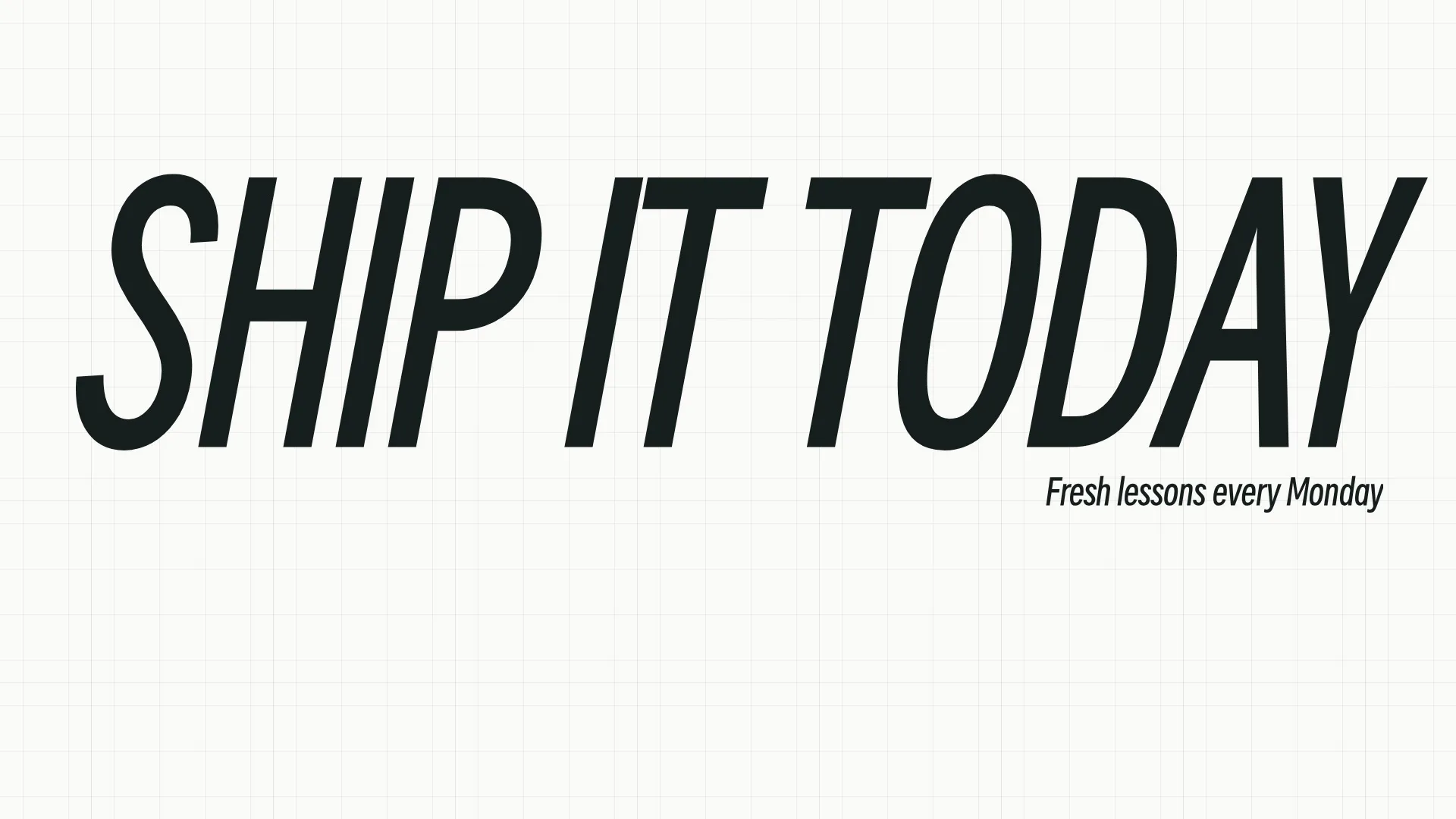

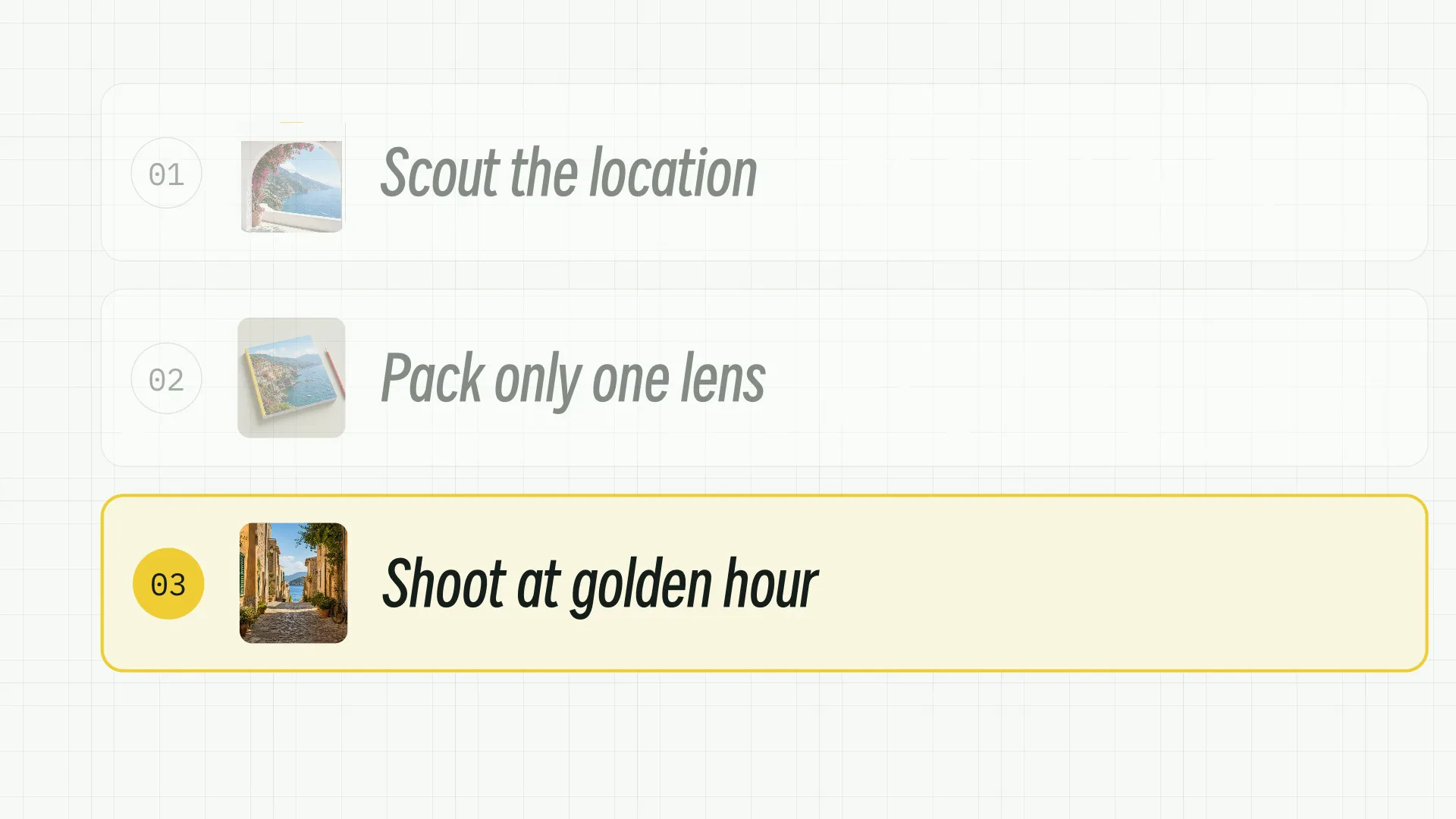
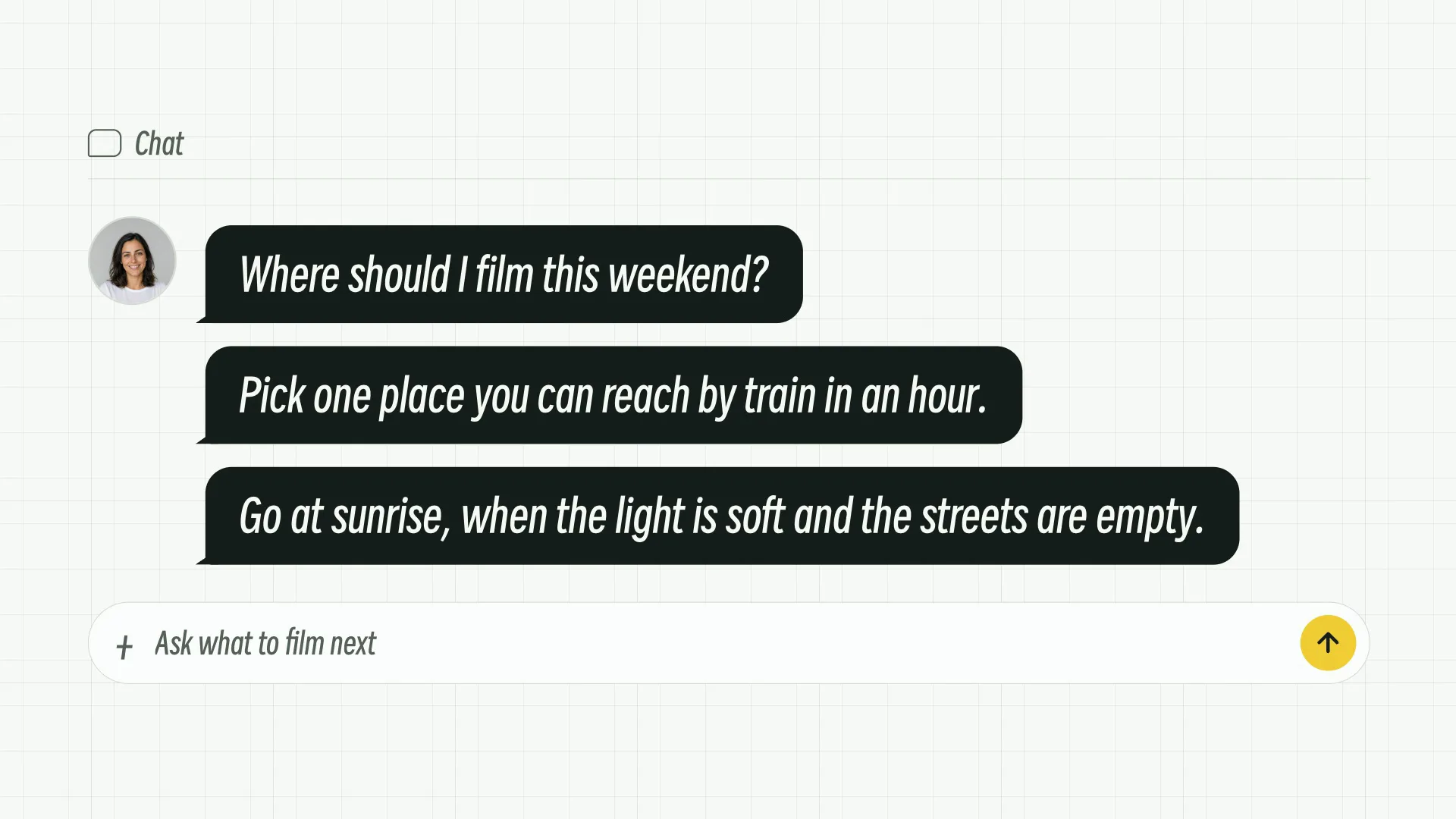
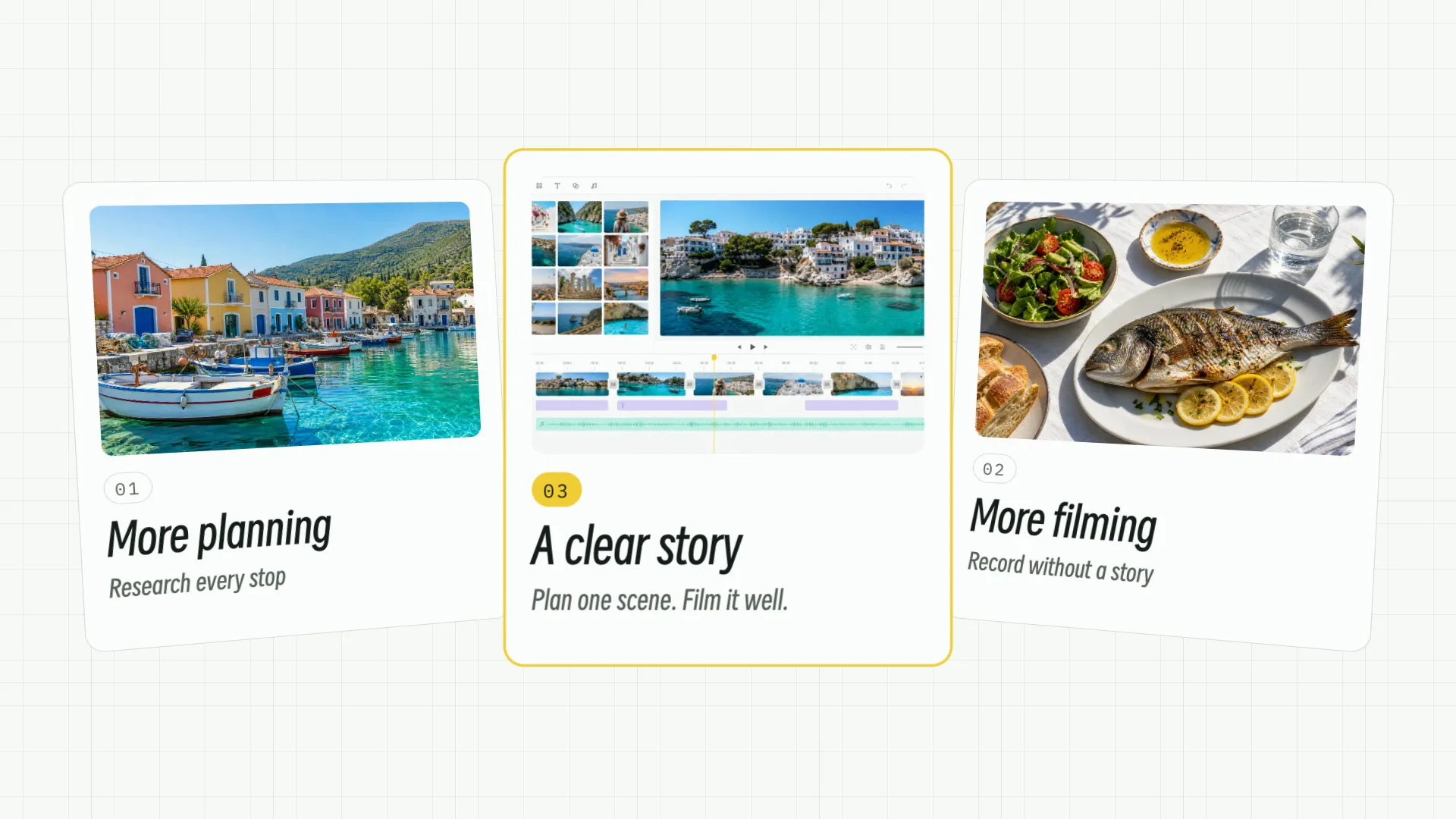
What you get
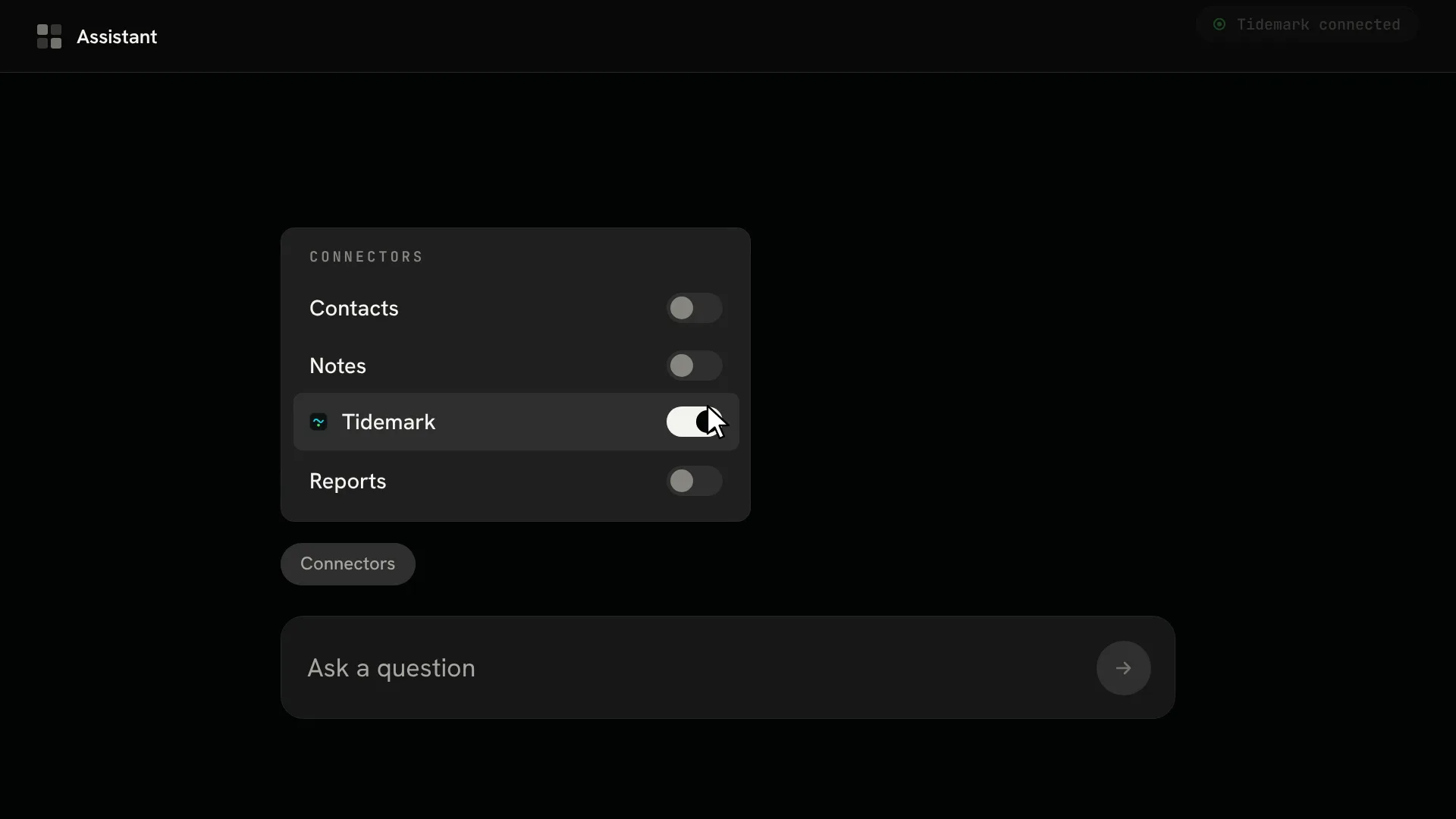
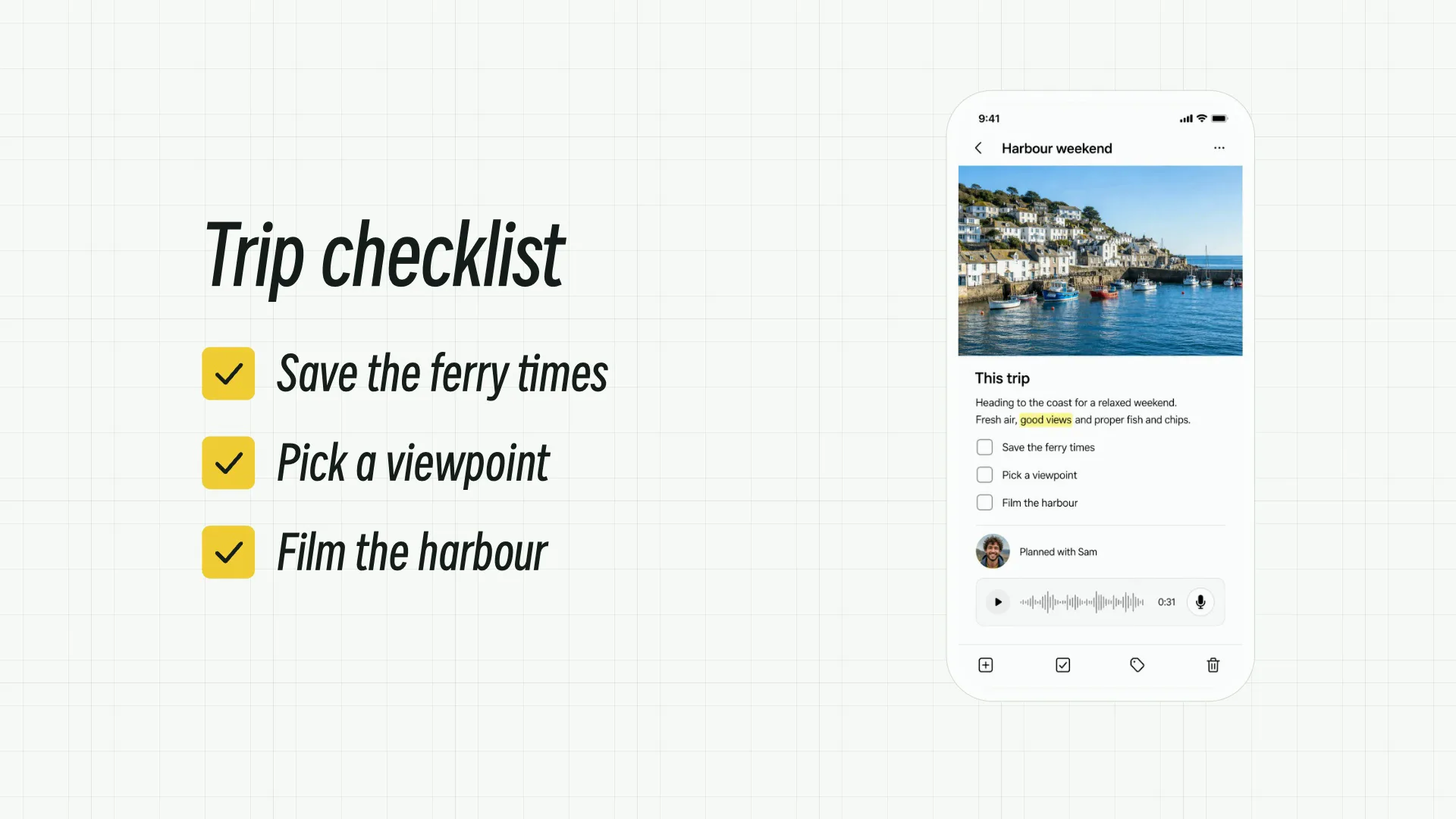
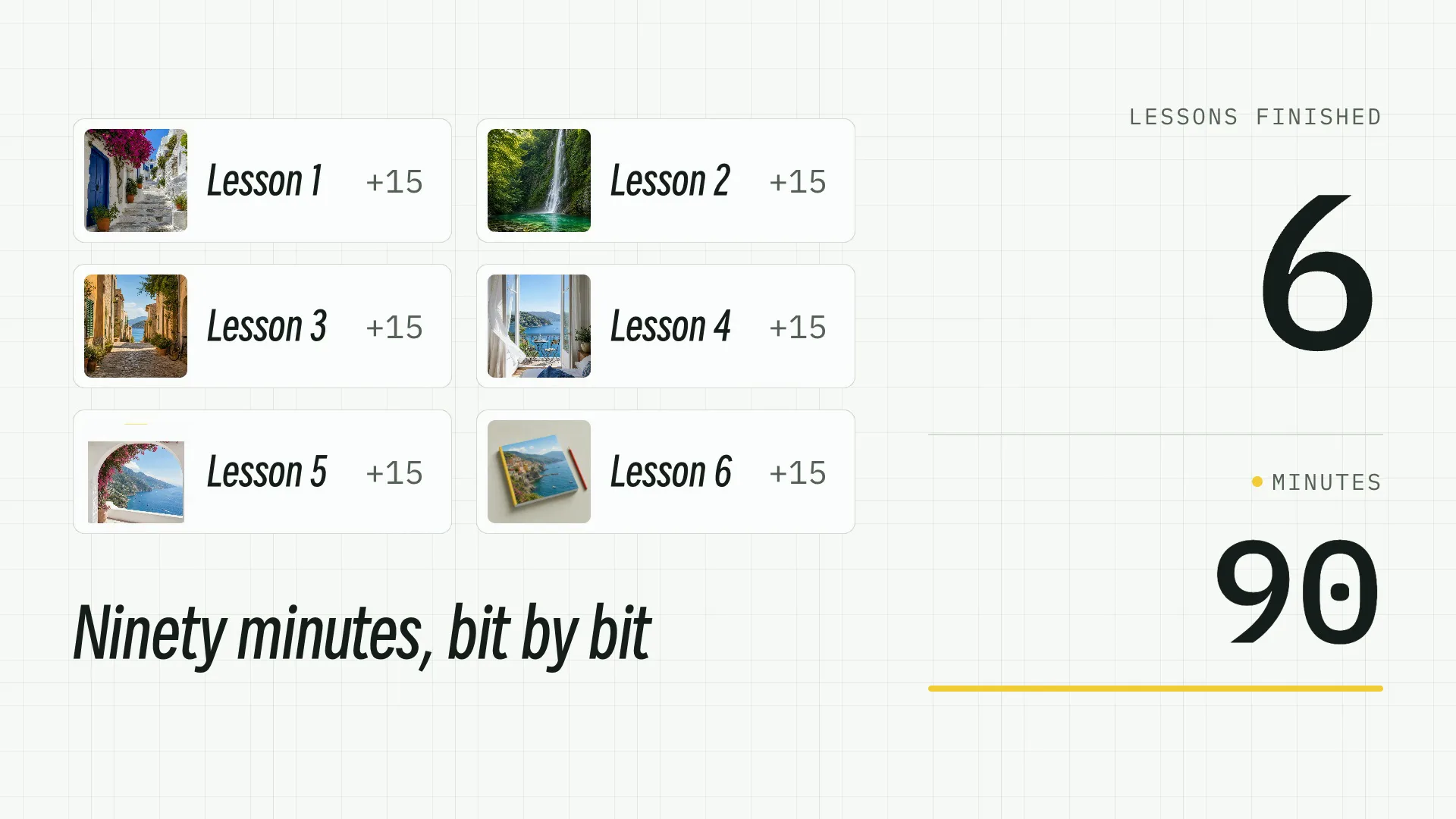
- A 1920×1080 MP4 at 30 fps, 20 to 30 seconds long, on warm paper, running from a wordmark cover through claim, raised card and data ledger to a negative frame and closer
- The token file as a deliverable of its own: four color atoms and their surfaces, two type ramps, the radius scale, one shadow and spacing, ready to seed the next film
- A handoff note with all four craft tests per frame, a source for each ledger figure and empty results from the literal greps, so any drift shows up in a search
Good fit
- Publishing products, design tools, studios, books or a small object that should feel considered, not exhaustive
- Briefs with six to eight ideas at most, each comfortable owning a whole frame
- Teams planning a series that must match through shared values, with no eyeballing
Not for
- Films with plenty to say. Each frame keeps 55 to 75 percent of itself empty, and extra words fight that
- Bright, dense or high-contrast identities, which a warm paper system with one accent cannot carry
- Typefaces you may not distribute under your license, or palette values lifted from another company
About this Skill
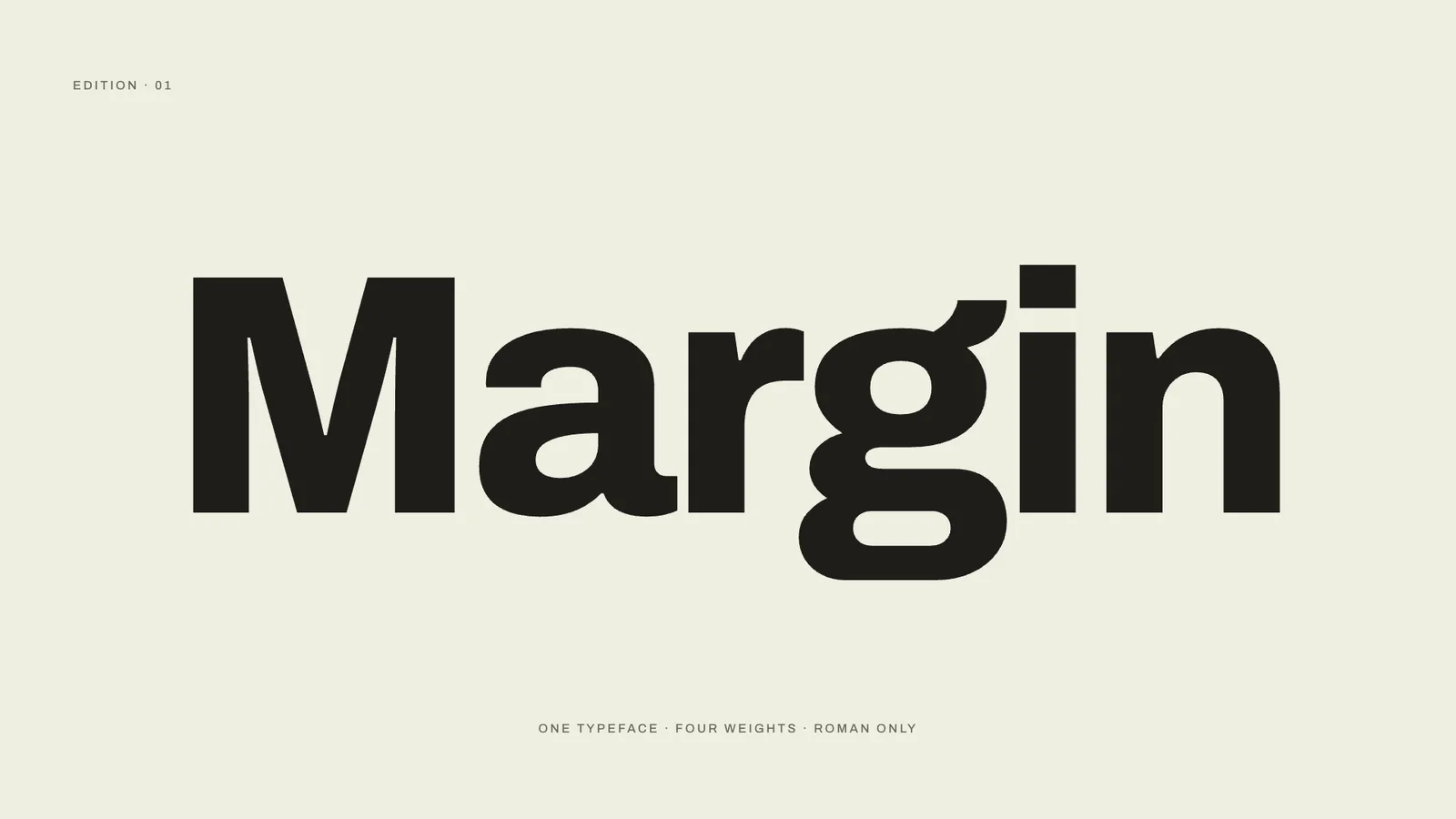
Some launches should feel printed. This Fable 5 video skill builds one like a type specimen: warm paper, oversized display type, a great deal of empty page and one accent used once per frame. Six to eight frames carry one idea each across 20 to 30 seconds, drawn from six archetypes: a cover with your wordmark, a claim sized to its word count, one raised card, a ledger of hairline rows, a line on the ink ground and a closer with your call to action. Before any frame exists, a token file declares every color, type step, radius and shadow; greps then prove nothing was typed in by hand. Squint, silence, restraint and reference tests decide whether a frame ships. It is all HTML, CSS, SVG and GSAP, rendered by HyperFrames on your machine.
How it works
- Confirm the launch suits six to eight single ideas and that the palette and typeface rights are yours
- Write the token file in full before drawing anything
- Build a composition per frame from token names, stepping each headline down by word count
- Put each frame through squint, silence, restraint and reference, then grep for raw values
- Reach zero findings in HyperFrames check, snapshot each frame, render at 30 fps and hand over the tokens and note
Checked before delivery
- Every colour, type size, radius and shadow in the compositions is a token; the three literal greps print nothing
- Each frame passes squint, silence, restraint and reference: one dominant element, 55–75% empty, the accent once
- Headlines are sized to their measure, and every load-bearing line is at or above the 1.4vw legibility floor
- No more than two consecutive frames share an anchor, and the ink ground is used once or twice
- npx hyperframes check reports zero findings and ffprobe shows 1920×1080, 30 fps, 20–30 s
What you need before you start
- You bring
- Four colour atoms: a paper, an ink, a muted and one accent, never pure black or white · One typeface licensed for your distribution, in four weights · Copy for six to eight frames, one idea each · Any ledger figures, with where each one comes from · Your wordmark and the closing call to action
- Dependencies
- HyperFrames CLI and skills · Node.js 22+ · FFmpeg
- Outside costs
- None
- Last tested
- v1.0.0 — Claude Code / Codex / Cursor
User reviews
Loading reviews…
FAQ
Why write a token file at all?
Every value the film touches sits there under a name: color atoms, both ramps, radii, shadow, spacing. Frames only reference those names, which is how a later film comes out matching the first with no side-by-side correction.
How do the four tests work?
Squint asks for one element three to six times heavier than the next. Silence keeps a sparse frame 55 to 75 percent empty. Restraint allows the accent once per frame at full strength. Reference holds it beside a fine colophon to catch a dashboard in disguise.
Why do headlines change size?
They follow their word count: up to three words set large, four to six medium, seven or more smaller. One fixed size would break the safe margin on long lines and waste the impact of short ones.