Brex Style OG Imagev0.1.0
Use this Skill to make an OG image.
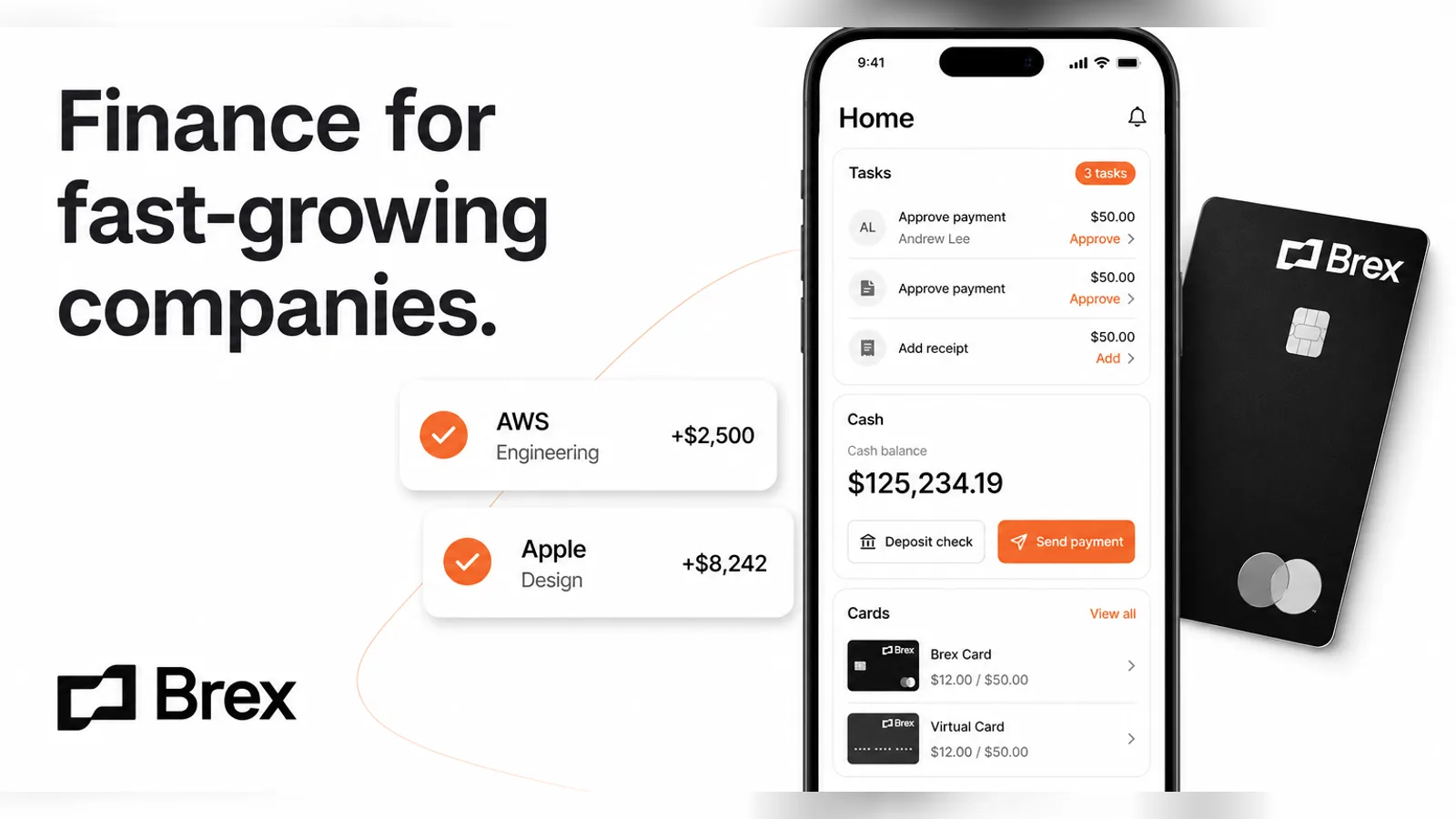
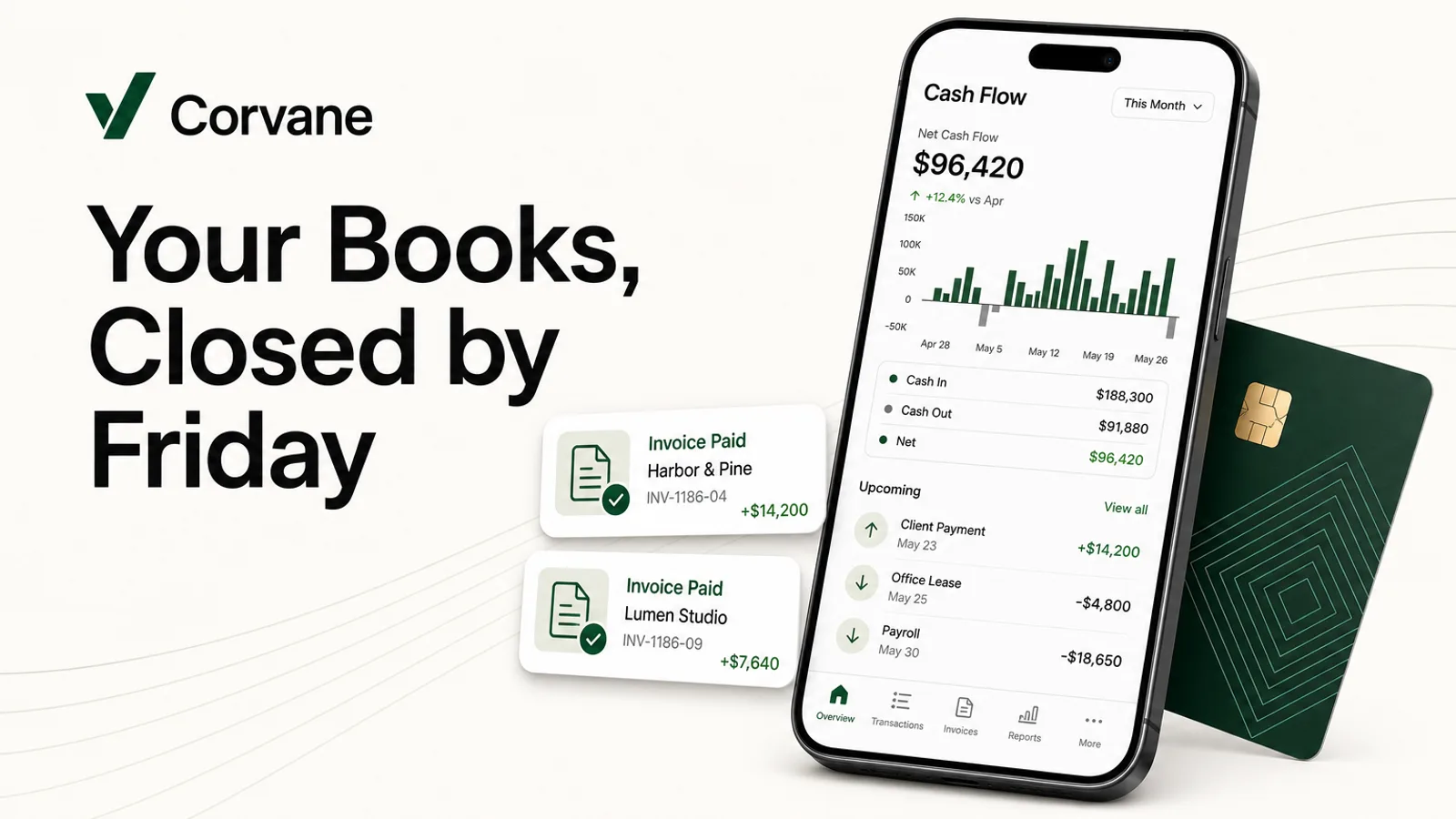
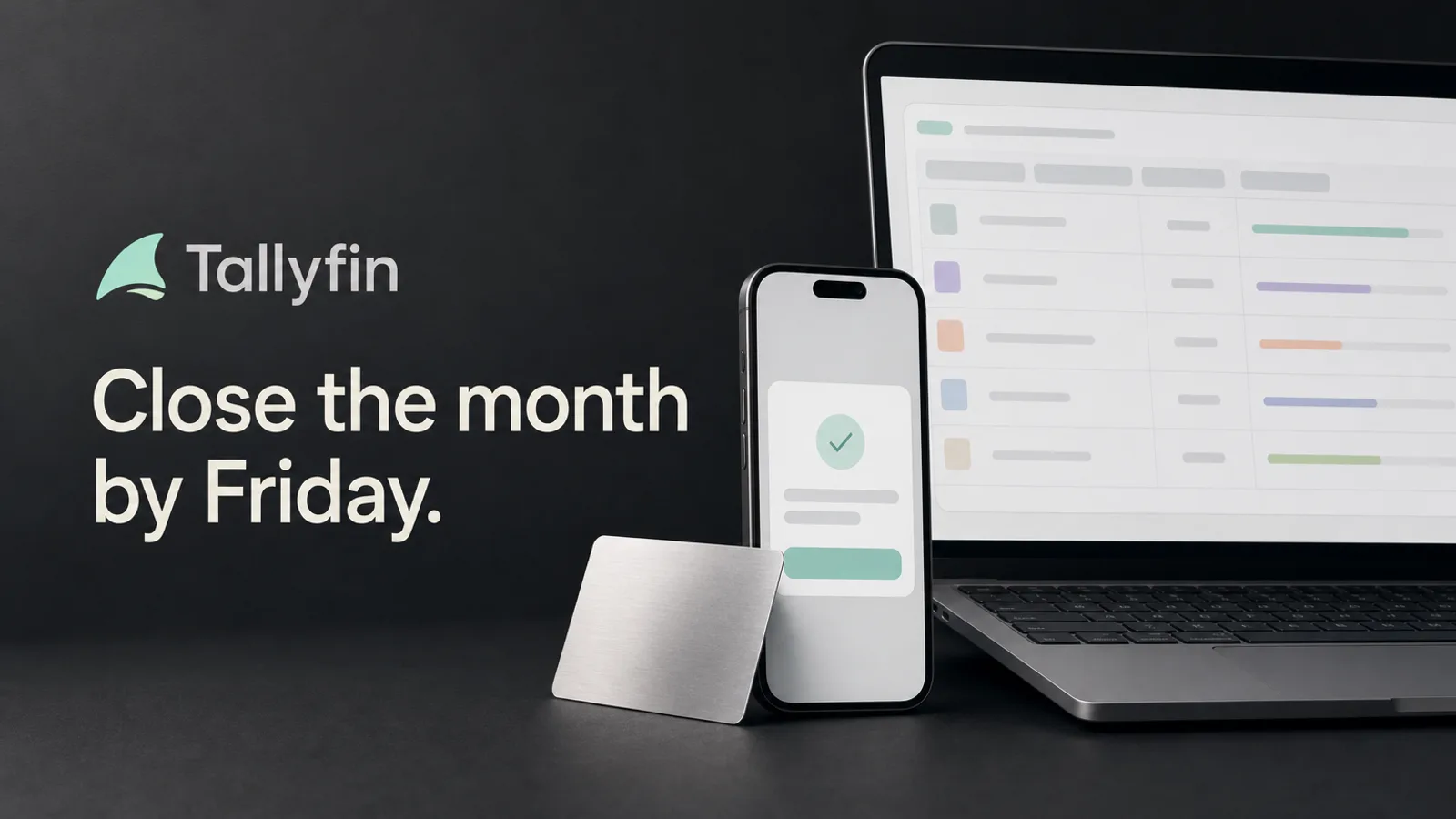
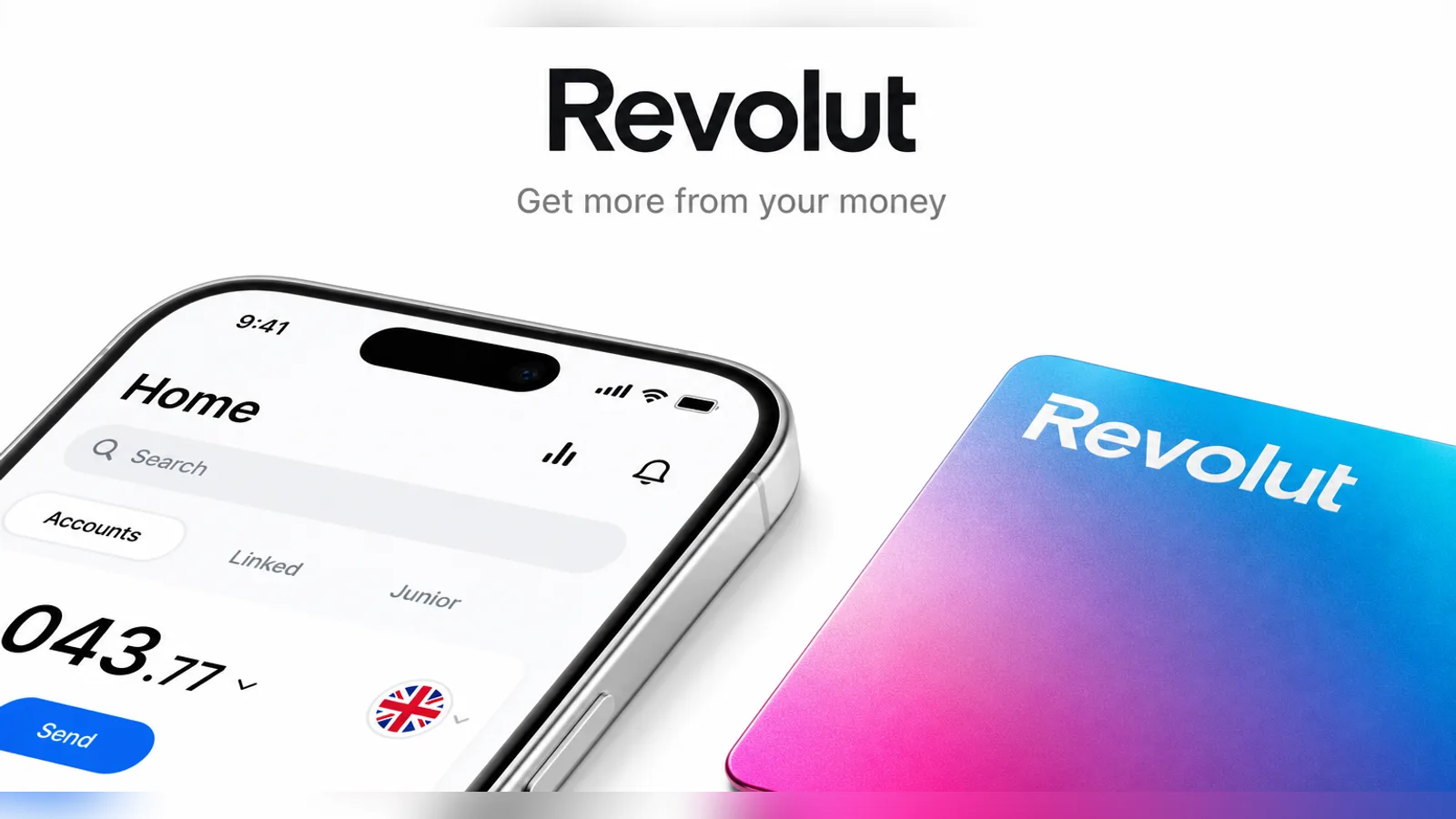
Giant headline on the left; to its right, a phone the frame cuts off, payment chips floating over it and a dark card behind, all on white.
Picked most often by
Updated Oct 26, 2026
Preview gallery


 FAL
Similar Skills
View all

What you get
- The finished 16:9 WebP: headline left, cropped phone right, brand and headline spelled just as supplied
- The exact prompt it sent plus the saved FAL task file; rerunning resumes that request rather than buying a new one
- A review of spelling, the 6% safe margin and the 16:9 frame before the card reaches you
Good fit
- Spend, accounting and finance apps
- Feature news and app launches
- B2B products after a clean, confident look
Not for
- Products without a screen to show
- Paragraphs of copy or fine print
- Rebuilding a real app screen or campaign
About this Skill
Ask your Fable 5 agent for a finance app's share card and this is the layout it builds. On a clean white ground, a very large headline fills the left side with your logo beneath it. To the right, a phone runs off the edge of the frame; small white transaction cards float across it, a dark payment card is tucked behind, and one warm accent color ties the pieces together. The app screen is designed for your product, so no real app is shown. GPT Image 2 on FAL renders the card, and each letter is checked before delivery.
How it works
- Agree on the name, one headline and one picture idea; drop anything that blurs at thumbnail size
- Lay out the card from references/visual-system.md and fit your colors to its four style anchors
- Strip out outside names, marks, faces, screens and slogans, then invent the app screen and payment cards for your brand
- Write a prompt about visible things only: frame, layout, light, palette, subject and type position
- Send one request with the bundled FAL helper and keep the task file it writes
- Read each letter, check the 6% margins and the 16:9 frame, and only then run validate-output.mjs
- If a flaw remains, propose one prompt change and wait for your OK before a second paid request
Checked before delivery
- validate-output.mjs passes with --require-format webp --require-16-9, and the prompt file has no emoji, arrows or symbol characters
- Brand and headline read correctly letter by letter, with key text and faces inside a 6% margin on every side
- Every source name, logo, slogan, person, interface and watermark is replaced by the user's own identity or a new one, and the layout is new for this subject
- Exactly one paid request per approved generation
What you need before you start
- You bring
- Brand or project name, spelled as it should appear on the card · One short headline · What the page, product or audience is · Optional: brand colors, a logo the user may use, a mood, owned reference images, a platform safe zone
- Dependencies
- Node.js 20+ to run the included FAL script · Your own FAL API key, set as FAL_KEY; FAL charges for each image
- Outside costs
- FAL_KEY
- Last tested
- v0.1.0 — Claude Code / Codex / Cursor
User reviews
Loading reviews…
FAQ
Can I swap the warm accent for my own color?
Yes. Tell it your accent color, name and headline; a logo or pictures you have rights to are welcome too. The layout is rebuilt around them with a new app screen for your product, and nothing comes from another company's app or campaign.
Can it work from an image I already have?
If the image is yours or you may use it, yes. Hand it over with --reference and GPT Image 2 runs in edit mode instead. Only mood, color and layout are taken from the picture; nothing in it is reproduced on the card.
Is there a cost beyond the Skill?
Yes: FAL bills every image to your own account. The helper never retries by itself, and running the same command again only picks up the saved request, so checking on a slow job never pays for a second one.