Supabase Style OG Imagev0.1.0
Use this Skill to make an OG image.
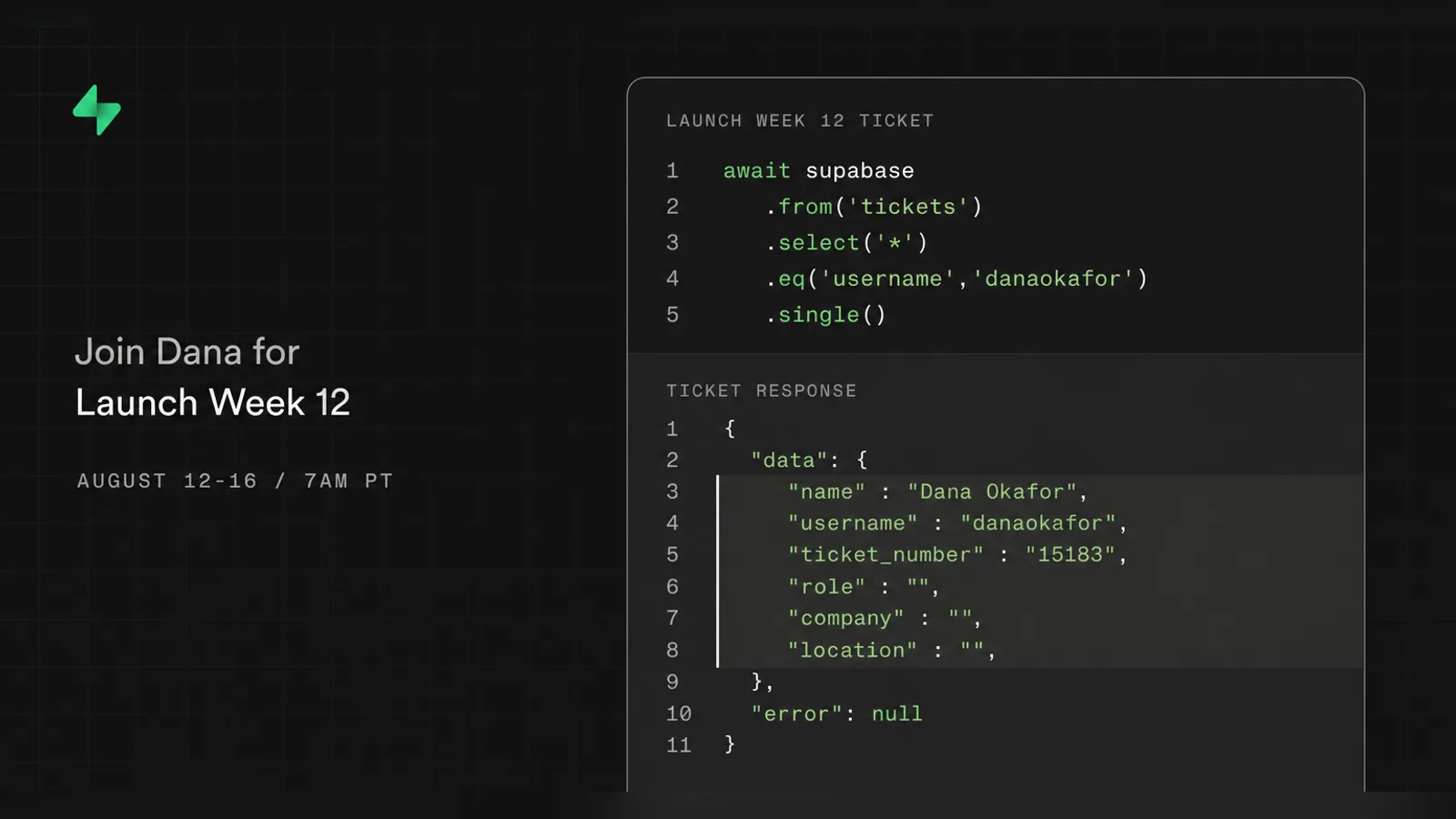
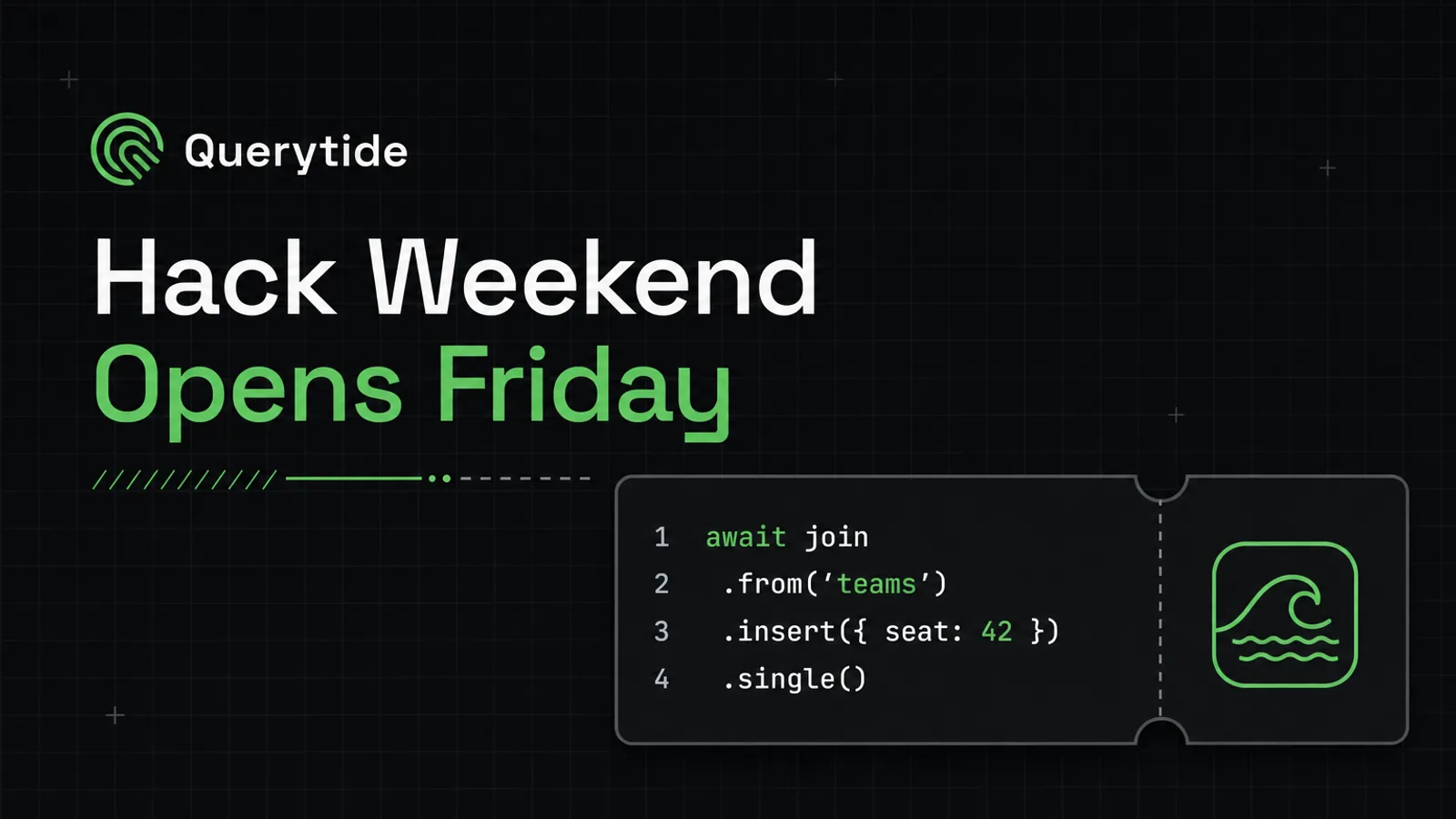
A dev-event OG image skill for Claude Fable 5: a short invite and spaced monospace date on a near-black grid, beside a tall code ticket lit with green syntax.
Picked most often by
Updated Oct 26, 2026
Preview gallery


 FAL
Similar Skills
View all
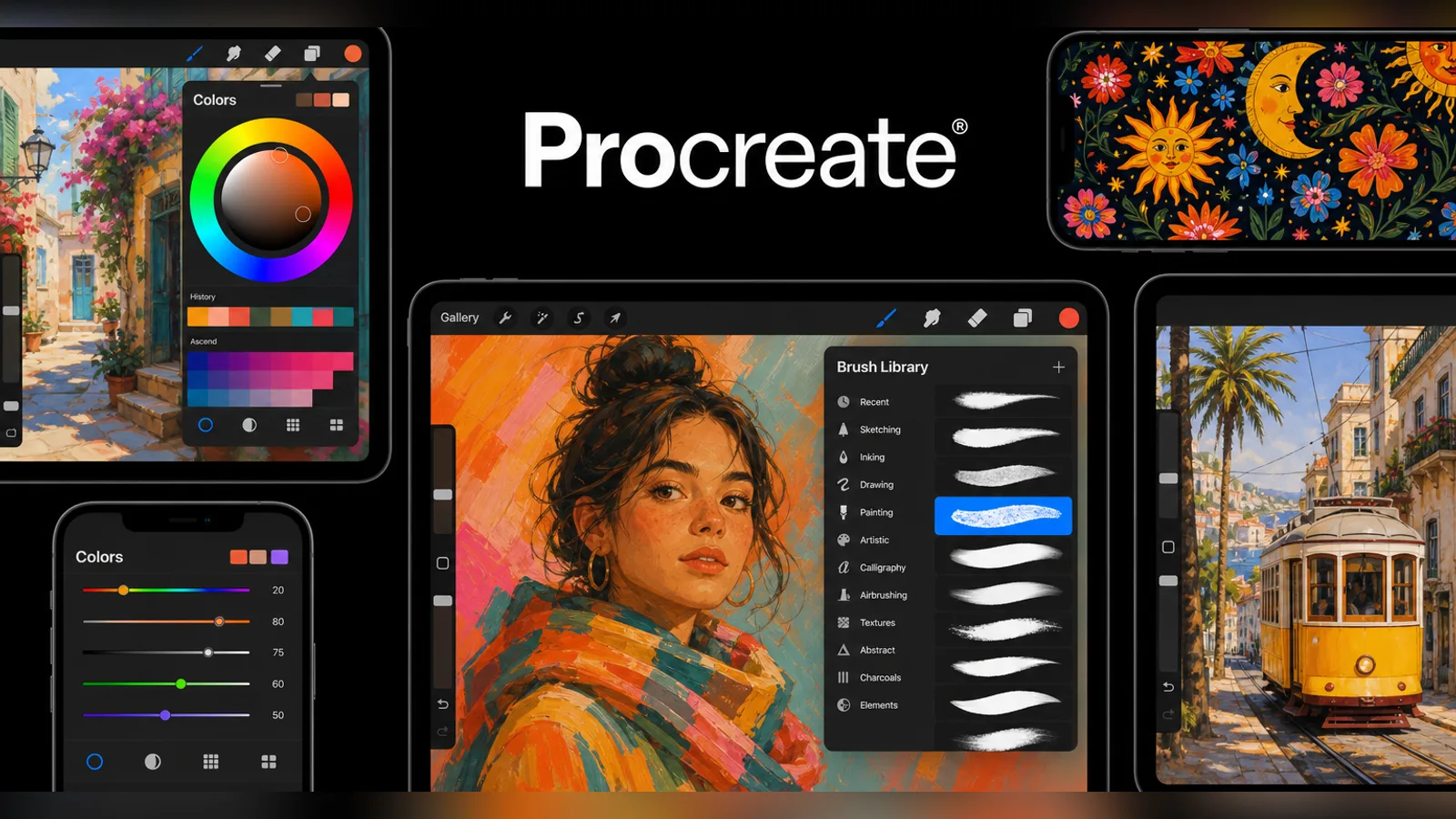
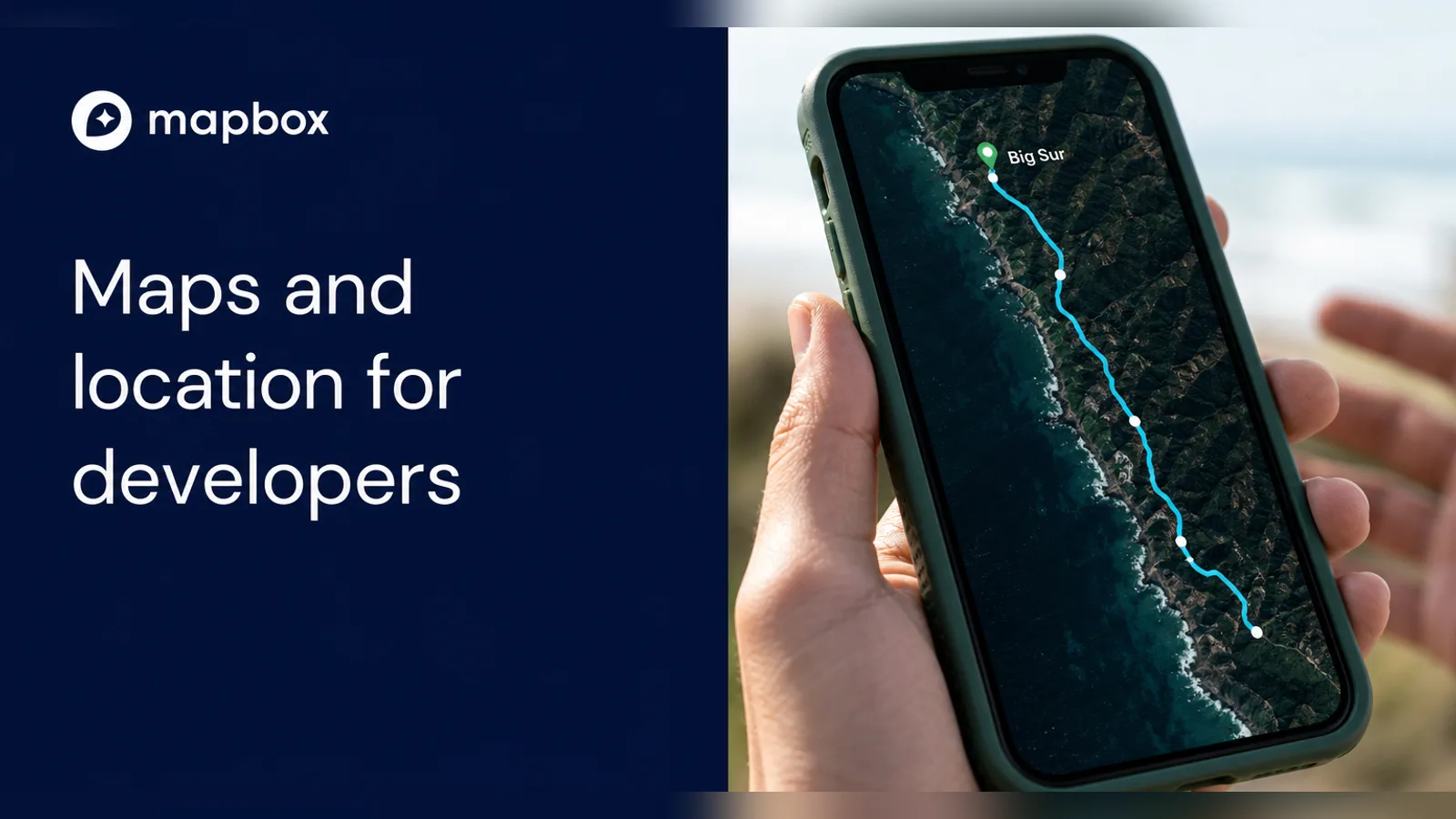

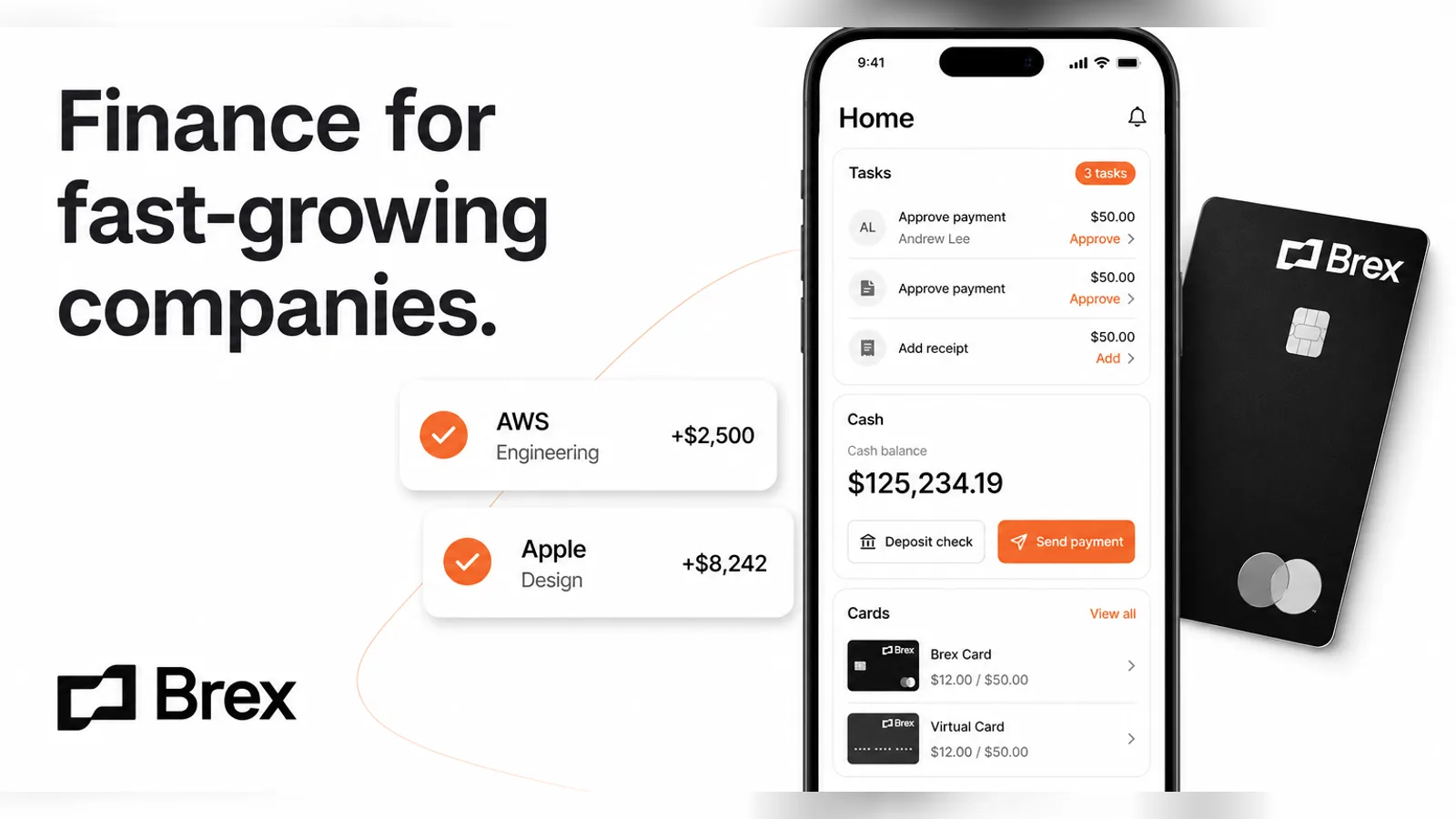
What you get
- One 16:9 WebP invite card with the dark code ticket, your brand and headline spelled exactly
- The exact prompt it sent plus the saved FAL task file; rerunning resumes that request rather than buying a new one
- A review of spelling, the 6% safe margin and the 16:9 frame before the card reaches you
Good fit
- Meetups, launch weeks and developer events
- Infrastructure, API and database tools
- An invite that carries a date and time
Not for
- Lifestyle or consumer brands
- Photography or illustration
- Copying a ticket design that exists
About this Skill
Launch weeks, meetups and hackathons get an invitation that looks as if it came out of a terminal. The canvas is near-black with a faint grid. The left side carries your small logo, an invite set in two lines and a date in monospace with wide letter spacing; on the right stands a tall rounded dark card that reads like a ticket, a numbered code query up top and a numbered response below, picked out with small green syntax accents. Those code lines are written for your event, and every character of the 16:9 WebP from GPT Image 2 on FAL is checked before you get it.
How it works
- Agree on the name, one headline and one picture idea; drop anything that blurs at thumbnail size
- Lay out the card from references/visual-system.md and fit your colors to its four style anchors
- Strip out outside names, marks, faces, screens and slogans, then invent the code lines and the ticket for your brand
- Write a prompt about visible things only: frame, layout, light, palette, subject and type position
- Send one request with the bundled FAL helper and keep the task file it writes
- Read each letter, check the 6% margins and the 16:9 frame, and only then run validate-output.mjs
- If a flaw remains, propose one prompt change and wait for your OK before a second paid request
Checked before delivery
- validate-output.mjs passes with --require-format webp --require-16-9, and the prompt file has no emoji, arrows or symbol characters
- Brand and headline read correctly letter by letter, with key text and faces inside a 6% margin on every side
- Every source name, logo, slogan, person, interface and watermark is replaced by the user's own identity or a new one, and the layout is new for this subject
- Exactly one paid request per approved generation
What you need before you start
- You bring
- Brand or project name, spelled as it should appear on the card · One short headline · What the page, product or audience is · Optional: brand colors, a logo the user may use, a mood, owned reference images, a platform safe zone
- Dependencies
- Node.js 20+ to run the included FAL script · Your own FAL API key, set as FAL_KEY; FAL charges for each image
- Outside costs
- FAL_KEY
- Last tested
- v0.1.0 — Claude Code / Codex / Cursor
User reviews
Loading reviews…
FAQ
Will the code on the ticket make sense?
It is written for your event, as numbered query and response lines, and every character is checked. The invite, date and colors are yours, as is any logo you may use; no existing ticket design is copied.
Can it work from an image I already have?
If the image is yours or you may use it, yes. Hand it over with --reference and GPT Image 2 runs in edit mode instead. Only mood, color and layout are taken from the picture; nothing in it is reproduced on the card.
Is there a cost beyond the Skill?
Yes: FAL bills every image to your own account. The helper never retries by itself, and running the same command again only picks up the saved request, so checking on a slow job never pays for a second one.