Cut-Paper Storybook Videov0.1.0
Use this Skill to make an explainer video.
A storybook video skill for Claude Fable 5: any topic, lesson or brand story retold in felt-and-clay paper pieces, on paper hills under a paper sun, with props hopping in.
Picked most often by
Updated Nov 6, 2026
Preview gallery


Similar Skills
View all

What you get
- An MP4 of about 35 to 50 seconds at 30 fps in 1080p, 2K or 4K: hand-cut paper hills, a sun and clay-surfaced props picked for what you are explaining.
- An editable film folder with browser playback and a scrubber, built from a plan of one idea per scene and about 20 words on screen at most.
- A short report listing the scenes, the facts used with their sources, and the music route, which is FAL, ElevenLabs, a track you own, or none at all.
Good fit
- Teachers and course makers covering a science idea, a habit or a book in under a minute.
- Creators after a gentle, handmade story for social feeds, with no drawing involved.
- Schools, nonprofits and small brands with one simple story to tell about their work.
Not for
- Talking heads, voiceover or anything built on sound effects; audio is one music track at most.
- Long tutorials and product walkthroughs that depend on real screen recordings.
- Realistic, photographic or night-dark looks, since the paper world always stays bright and soft.
About this Skill
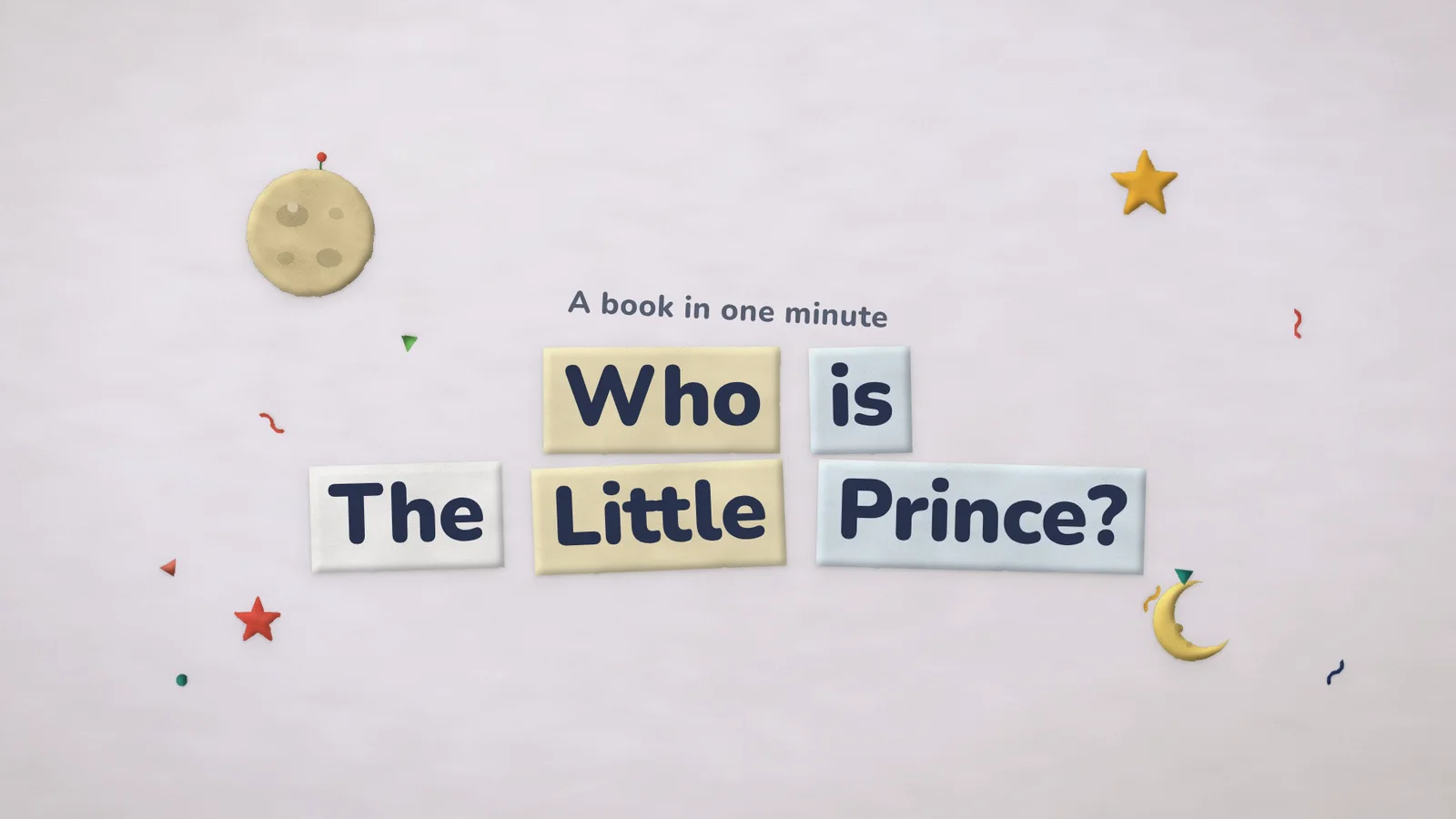
Explaining how bees work to a class, or telling a small brand's story, gets easier with scissors-and-glue charm, and this Fable 5 skill supplies it without any drawing. Bring a topic, notes or a script. Your agent breaks it into seven to eleven one-idea scenes, casts pieces from a library of 80 paper props chosen for your subject, and writes a film you can scrub in a browser. Words land one at a time, step rows and cards carry the explanation, and the MP4 comes out at 1080p, 2K or 4K, silent or over one music track.
How it works
- Confirm subject, language, length and output size; paid music or stickers wait for your yes
- Write the story as 7 to 11 scenes, each holding a single idea
- Pick props for this subject, drawing a custom one or a sticker if the library lacks it
- Build from a storyboard and correct whatever the QA sheets show
- Render, read a one-frame-per-second contact sheet, then hand over the film and report
Checked before delivery
- Every scene carries one idea with about 20 words or fewer on screen
- The render matches the storyboard's length at 30 fps in the chosen resolution
- QA sheets show no text cut off, no prop floating above the ground and no empty scene
What you need before you start
- You bring
- A topic, question, script, lesson notes, a book to sum up or a brand message · Optional: language, length (about 35-50 s), resolution (1080p, 2K or 4K), music on or off, a logo or photos for stickers
- Dependencies
- Node.js 20 or later, with FFmpeg · playwright-core installed in your project, plus Google Chrome or Playwright Chromium · Optional keys: FAL_KEY for music or stickers, ELEVENLABS_API_KEY for music
- Outside costs
- None
- Last tested
- v0.1.0 — Claude Code / Cursor
User reviews
Loading reviews…
FAQ
Do all the films end up alike?
The paper style is fixed, but the story, the scene order and the cast of props come from your subject. The bundled example films only demonstrate the engine, and their scenes and sentences are not reused unless the topic calls for them.
What if the prop I need is missing?
Your agent draws one as simple flat SVG shapes in the paper palette, and the engine applies the same clay finish. For a specific product or animal, it can produce a cut-out paper sticker through FAL once you accept the charge.
Is there narration or sound?
No narration and no sound effects, ever. You can add a single instrumental track, generated through FAL or ElevenLabs or supplied by you, and the renderer trims it to the film and fades the tail.