Voltage Studio Deckv0.1.1
Use this Skill to make a presentation.
- Yours to keep: the files stay on your computer.
- Payment by Waffo Pancake, our merchant of record.
- 38 free Skills to try first
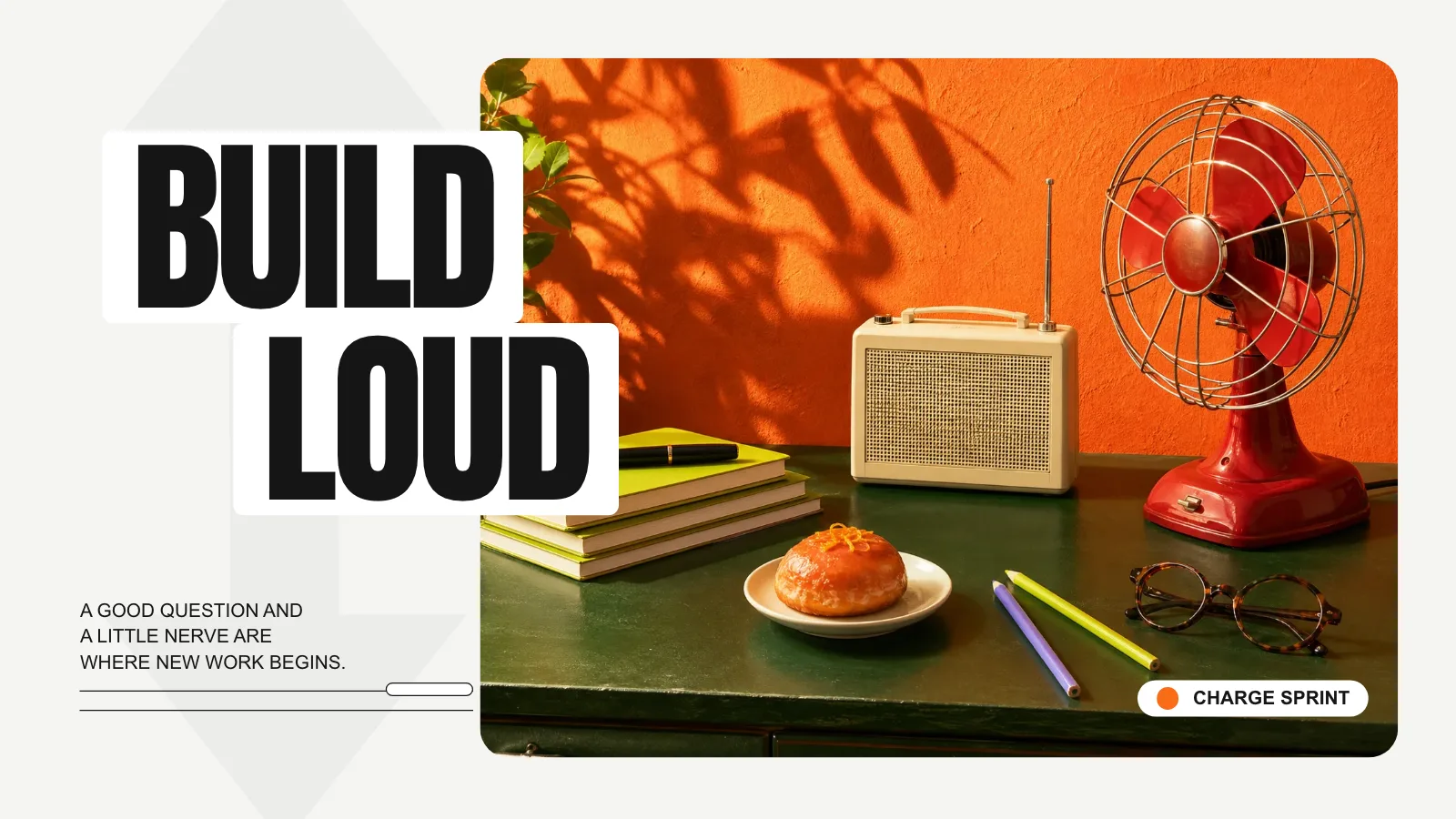
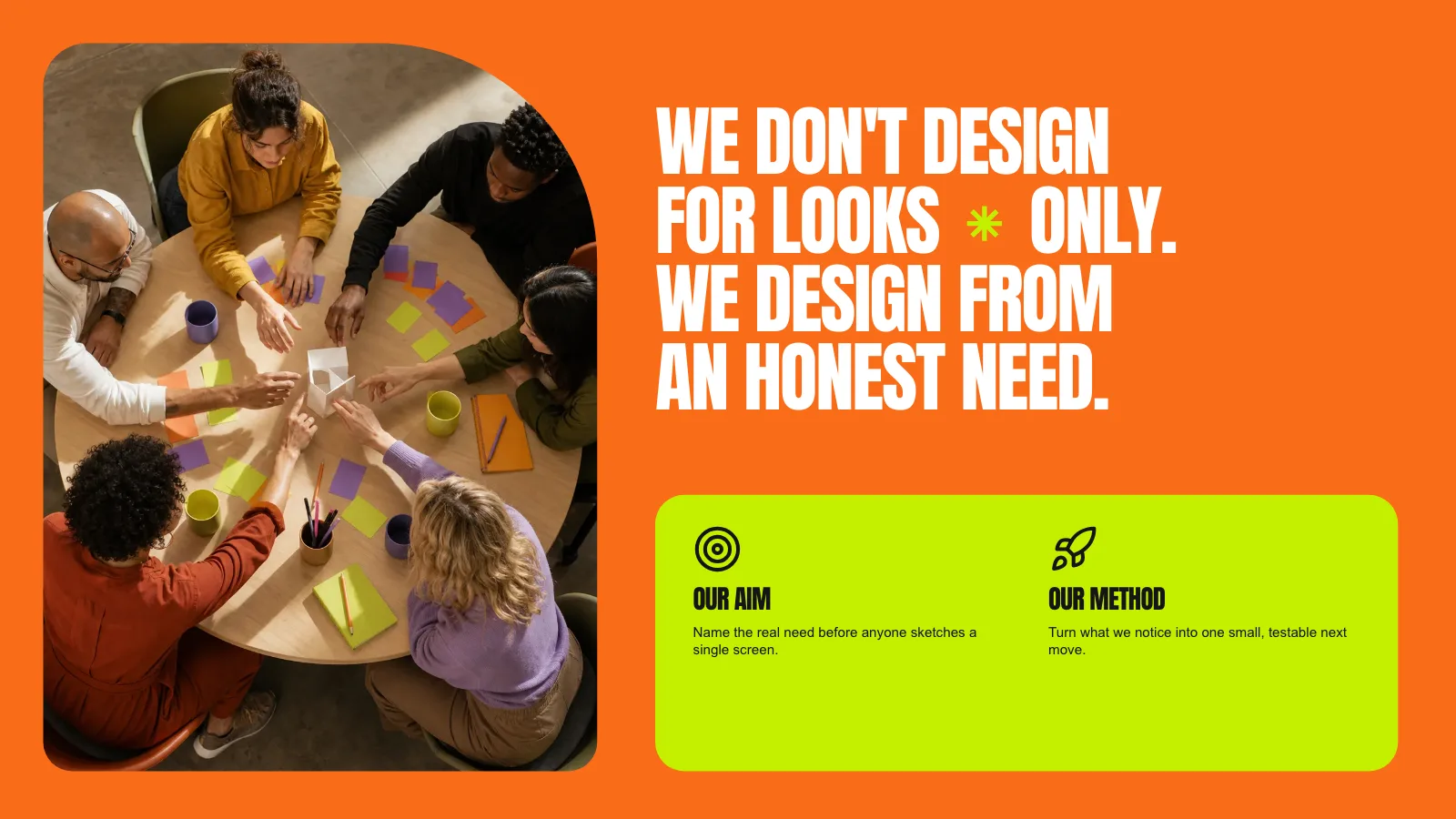
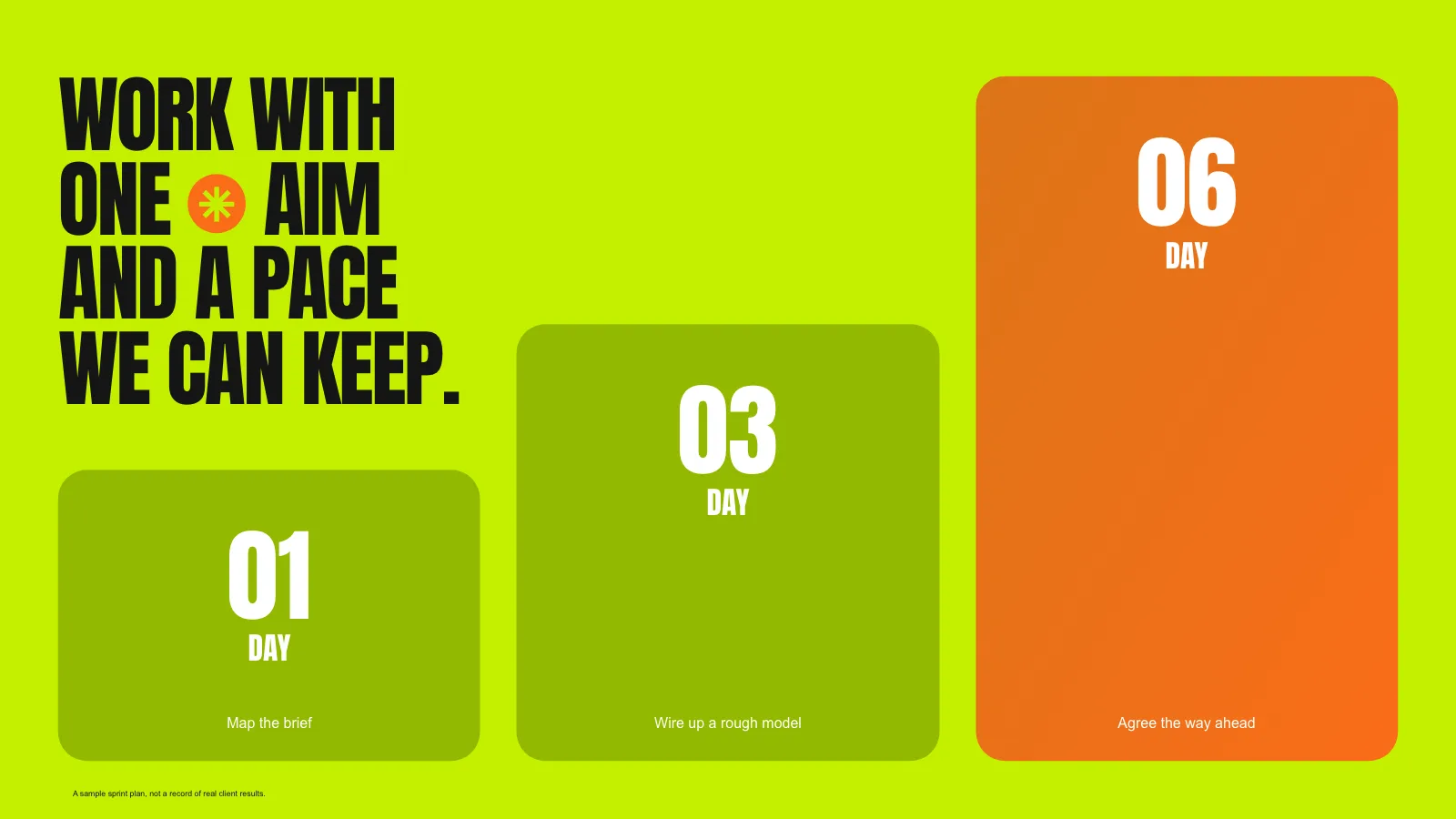
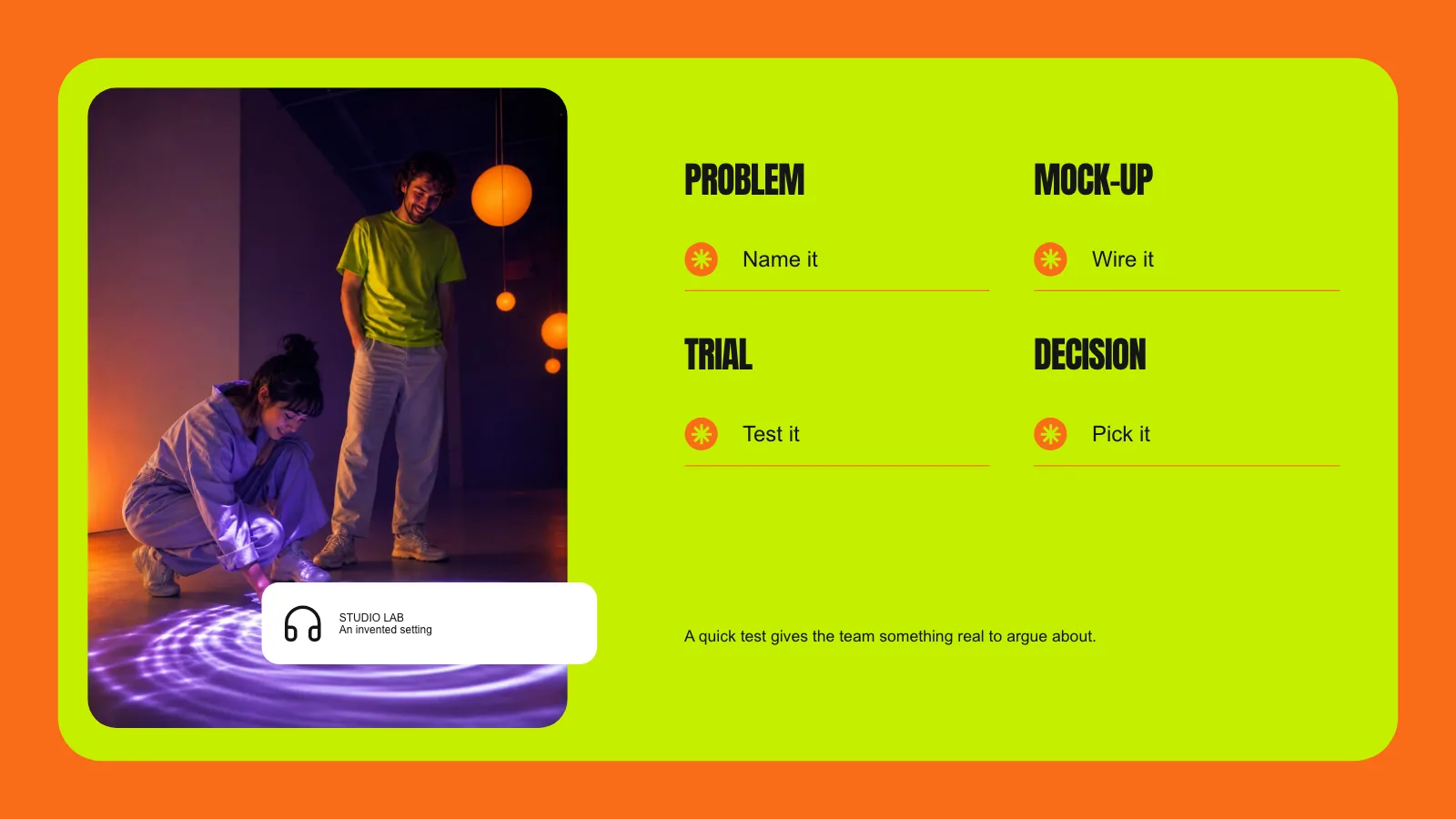
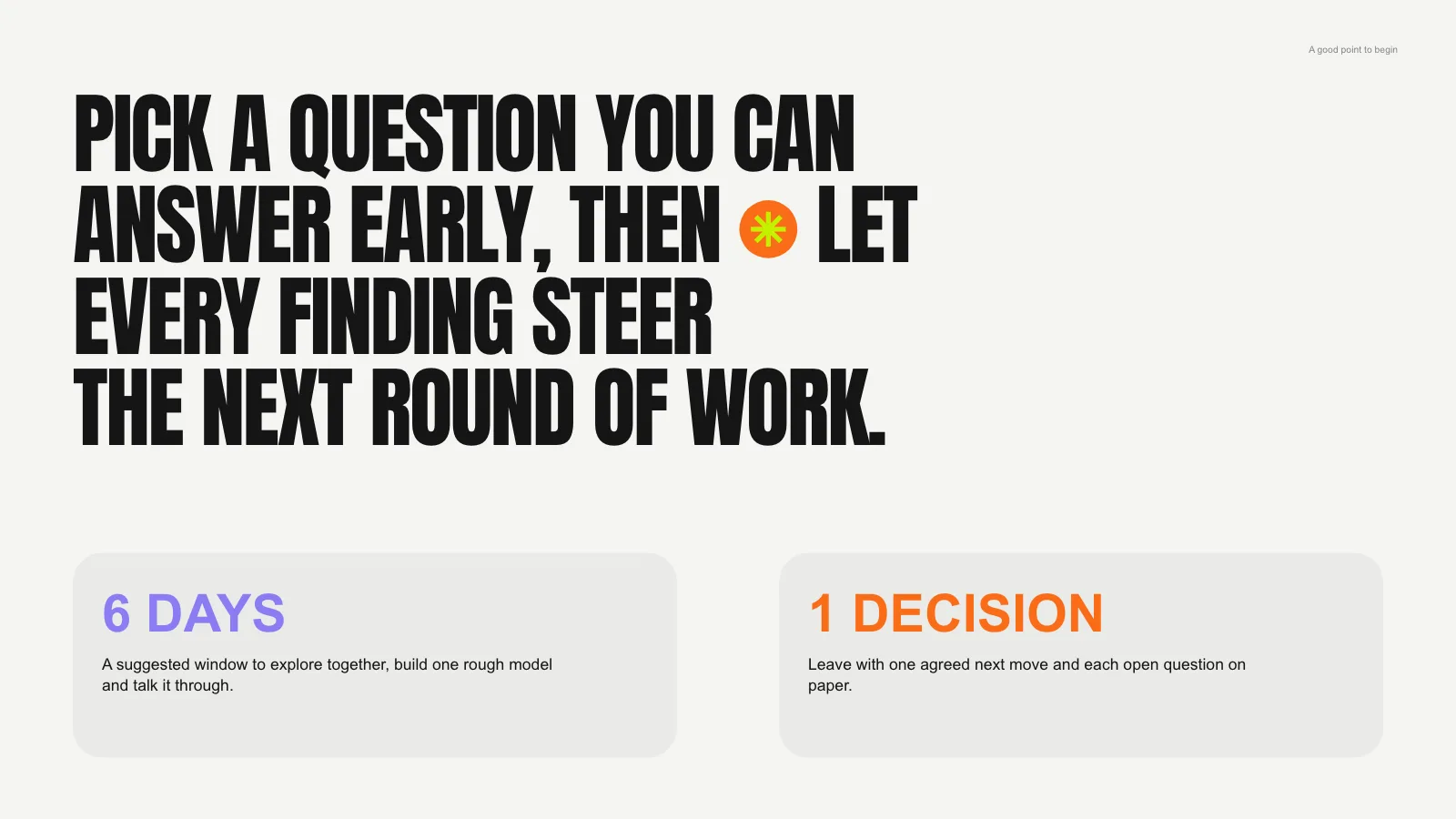
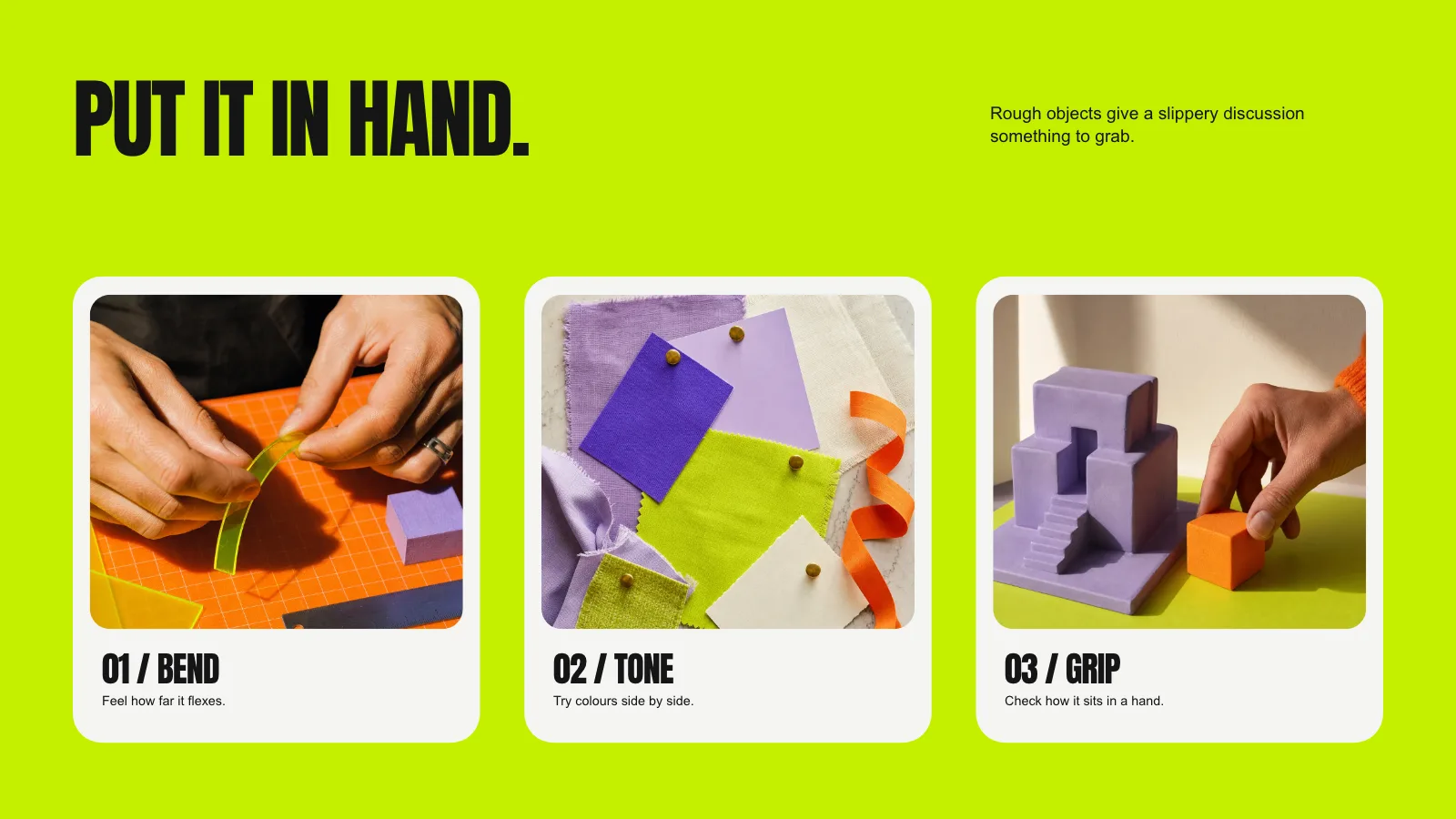
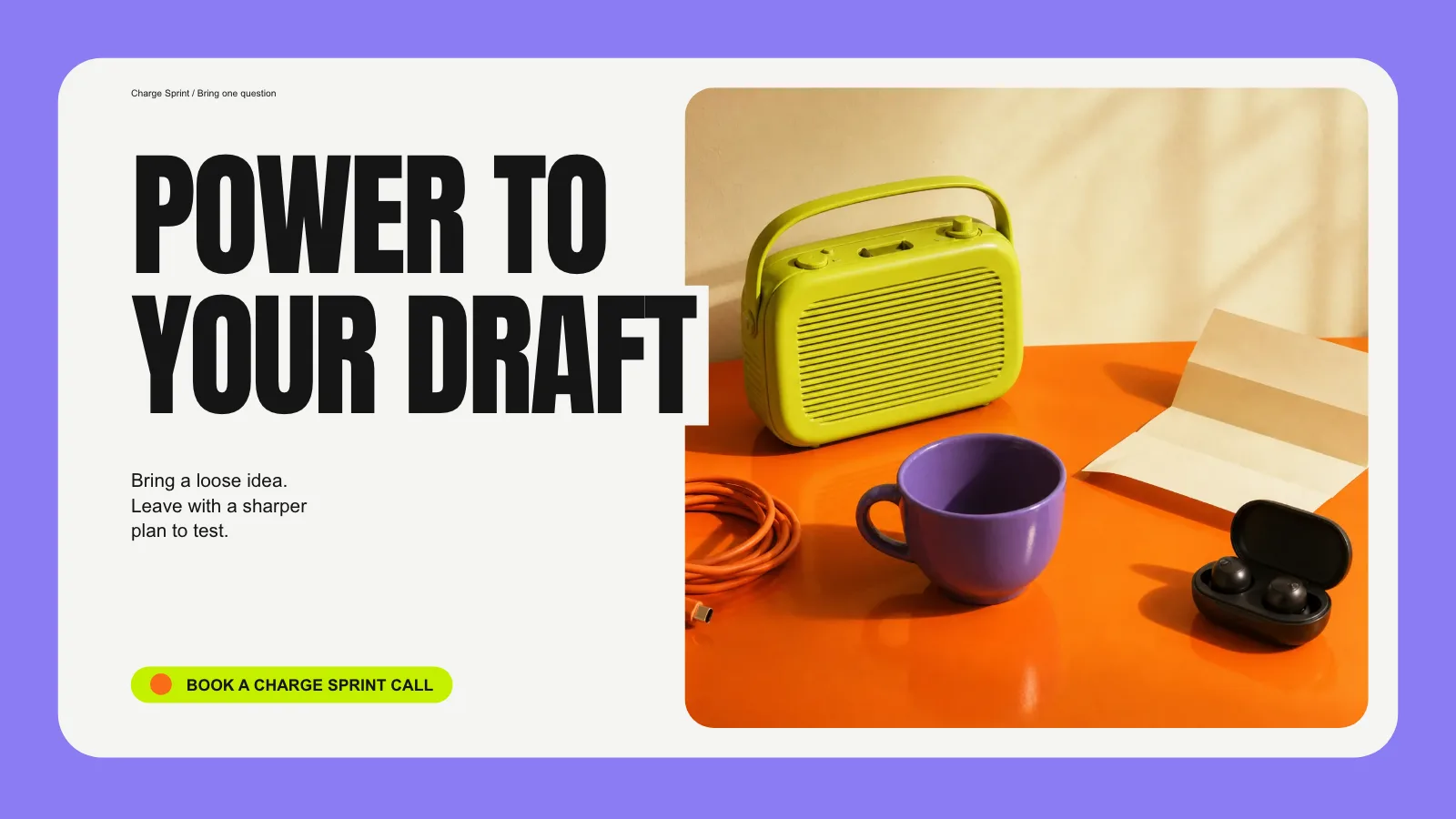
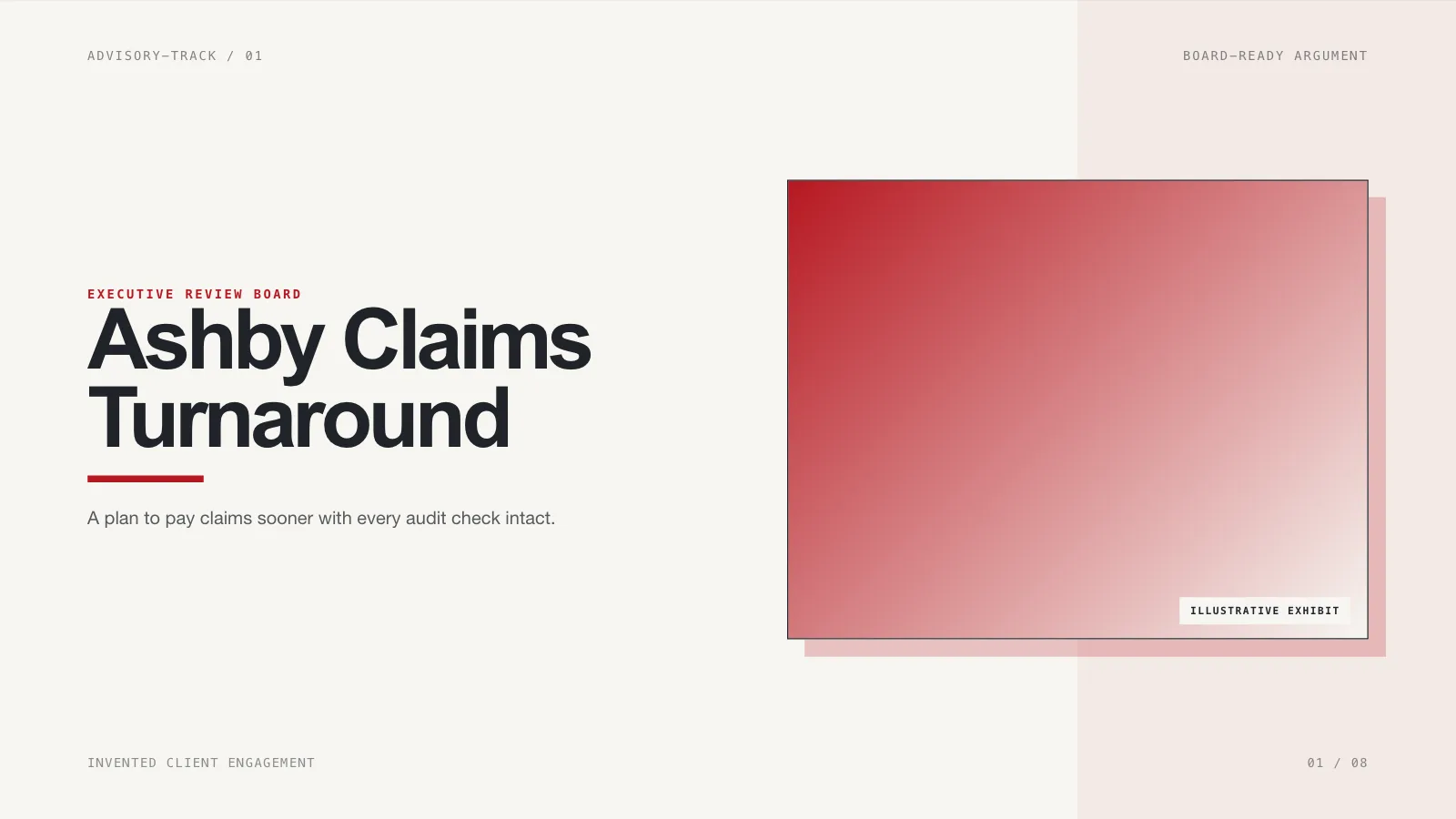
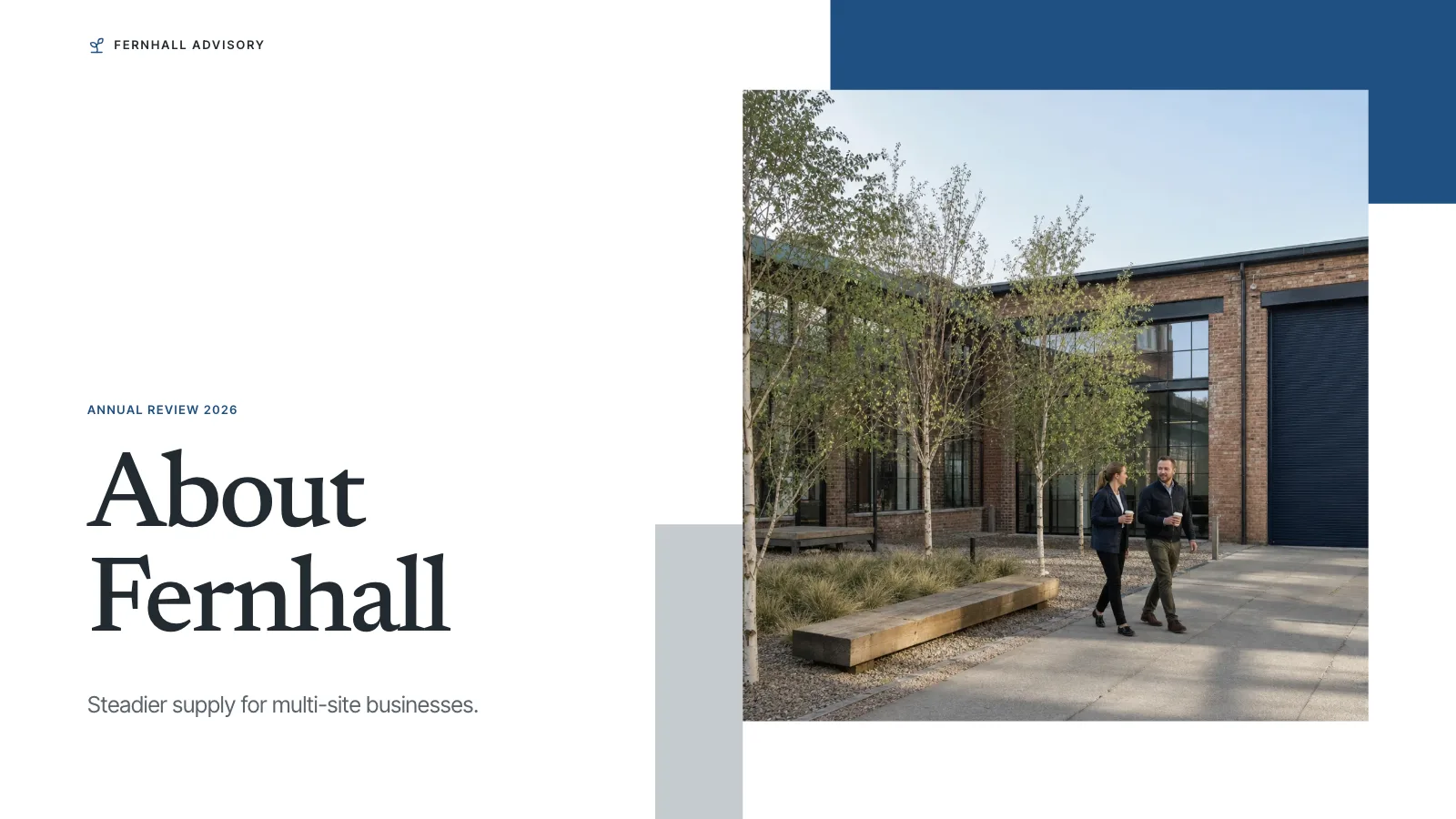
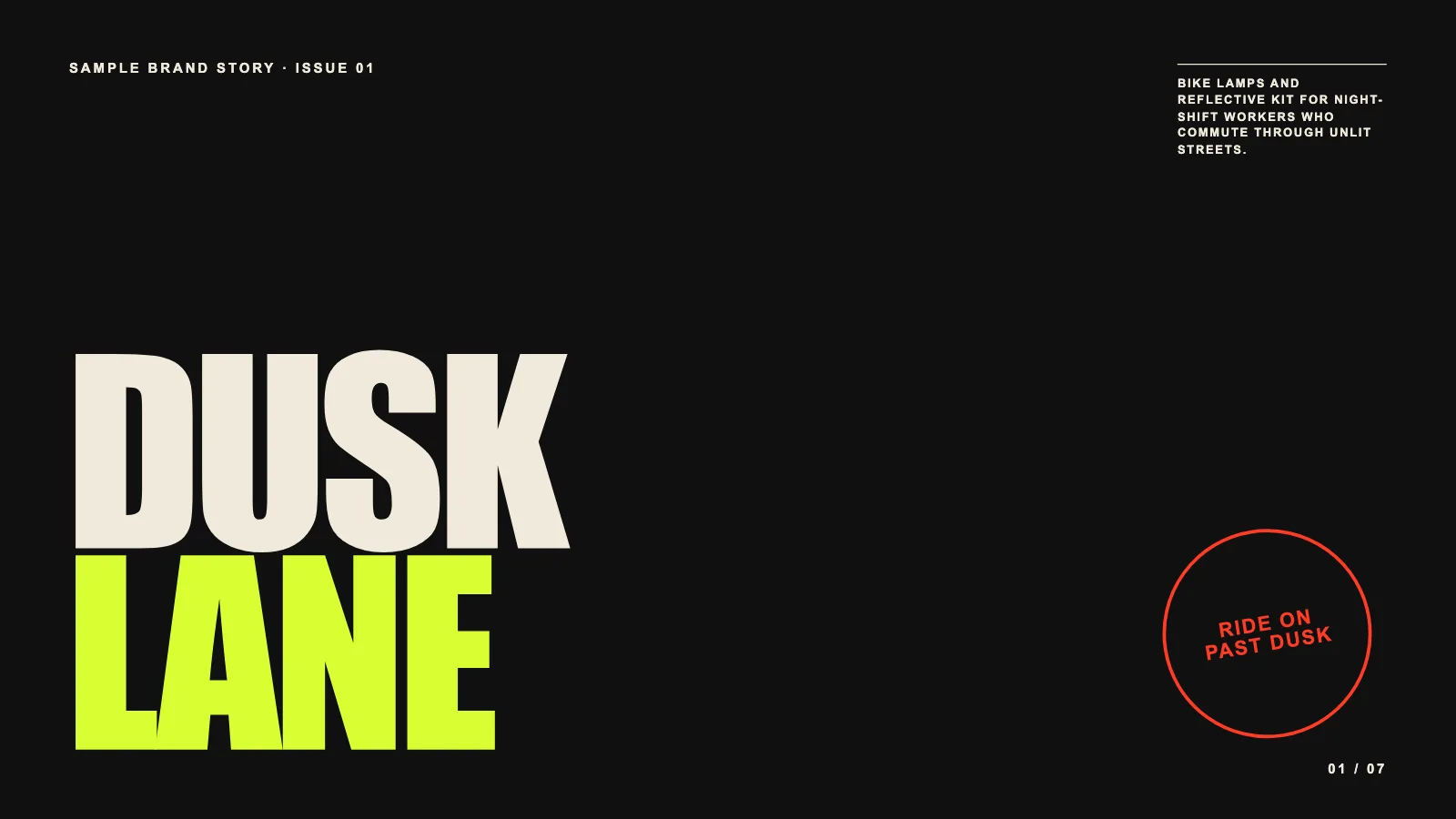
A slide skill for Claude Fable 5 for loud studio pitches in acid lime, hot orange and soft violet, with giant condensed capitals, retro desk photos and bright profile cards.
Picked most often by
Updated Nov 7, 2026
Preview gallery
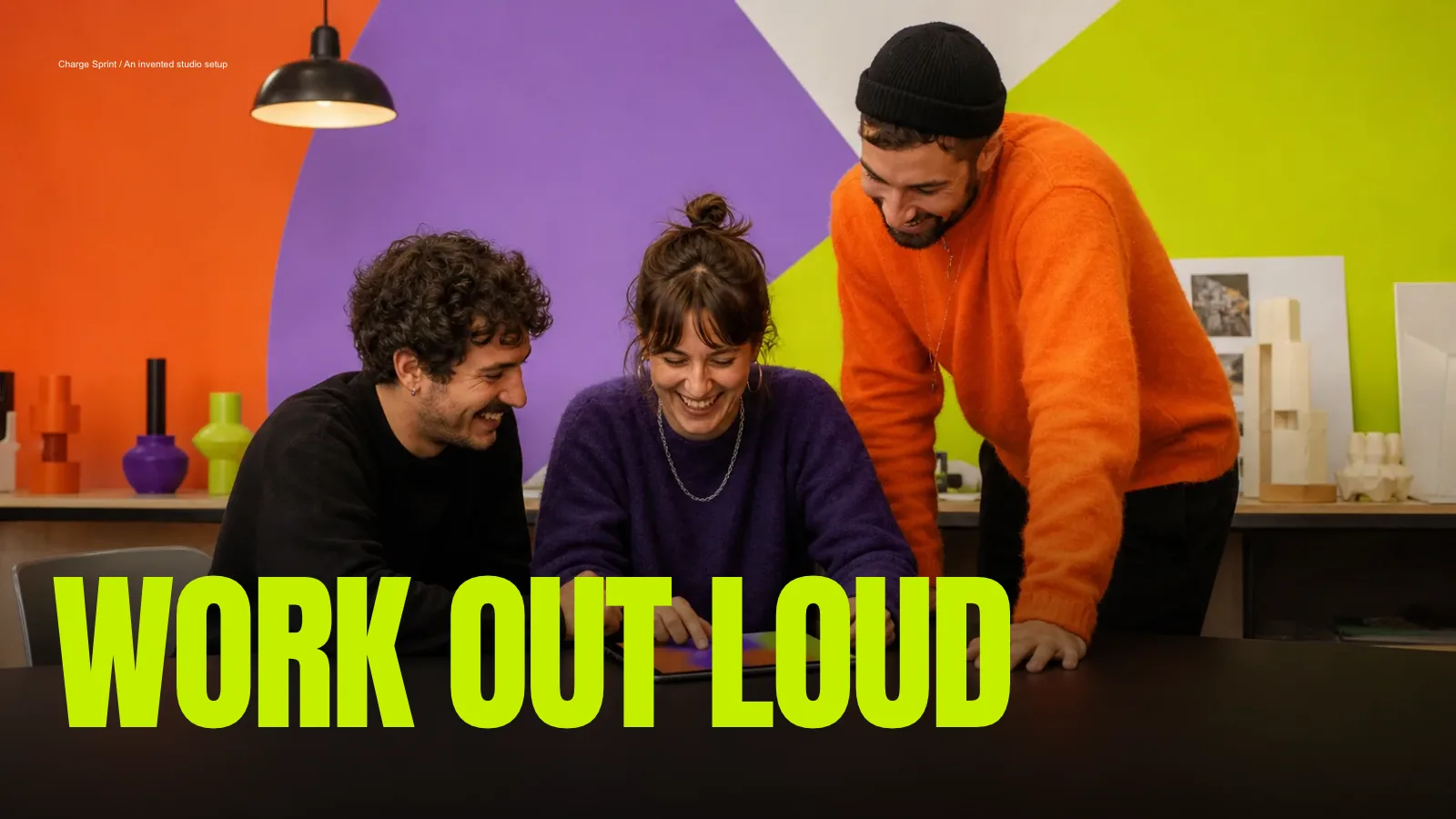
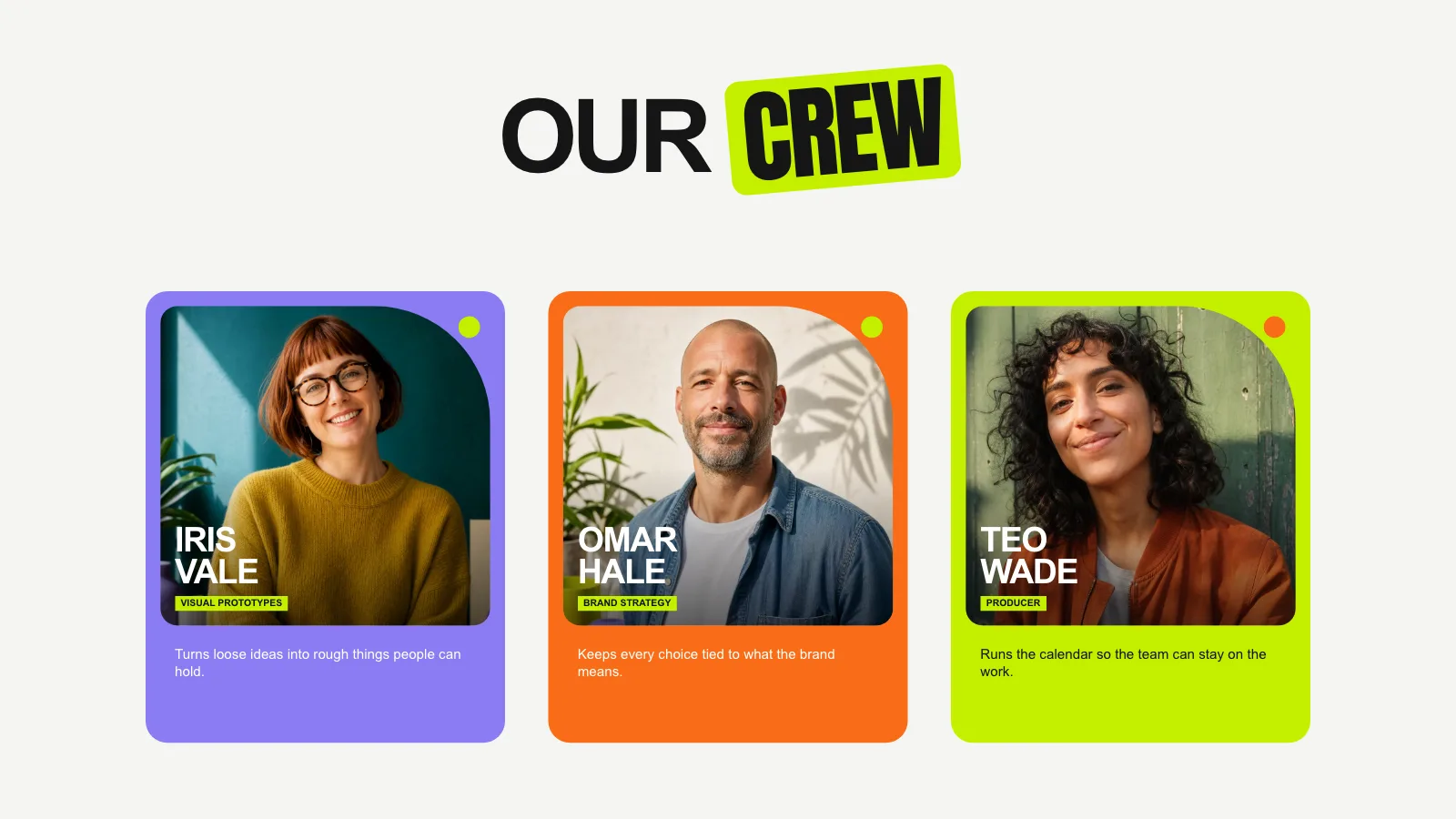
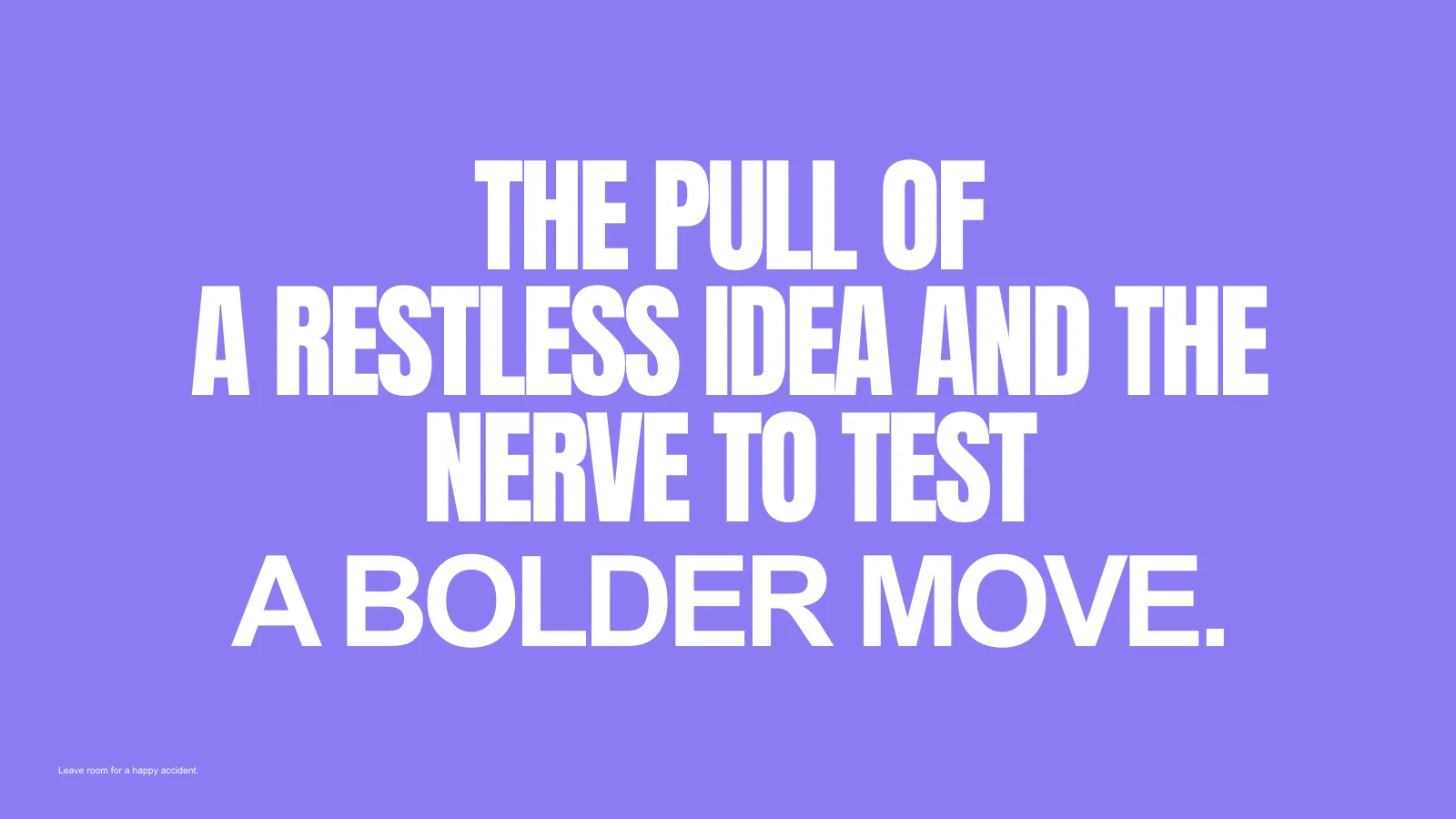

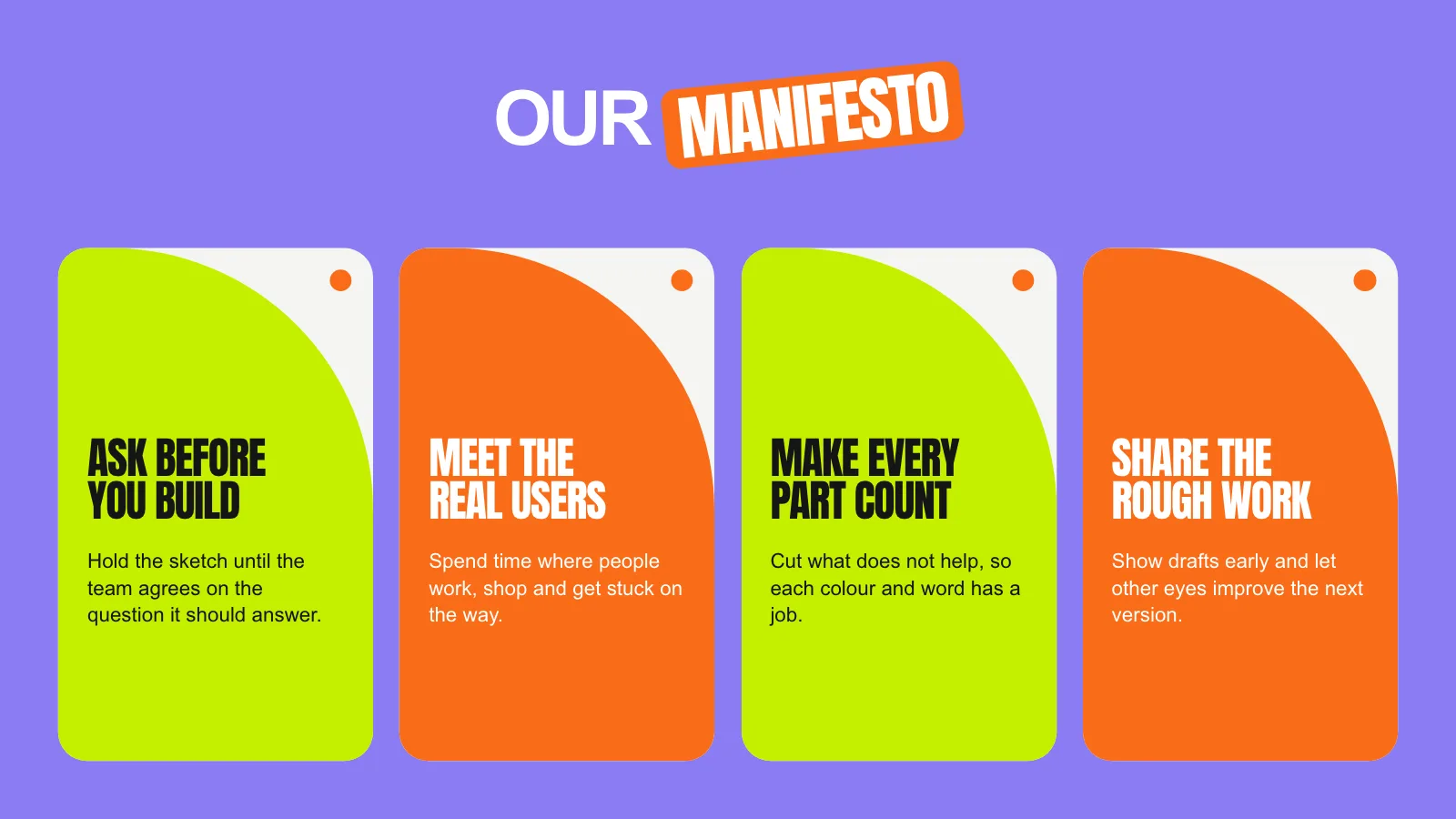


 FAL
Similar Skills
View all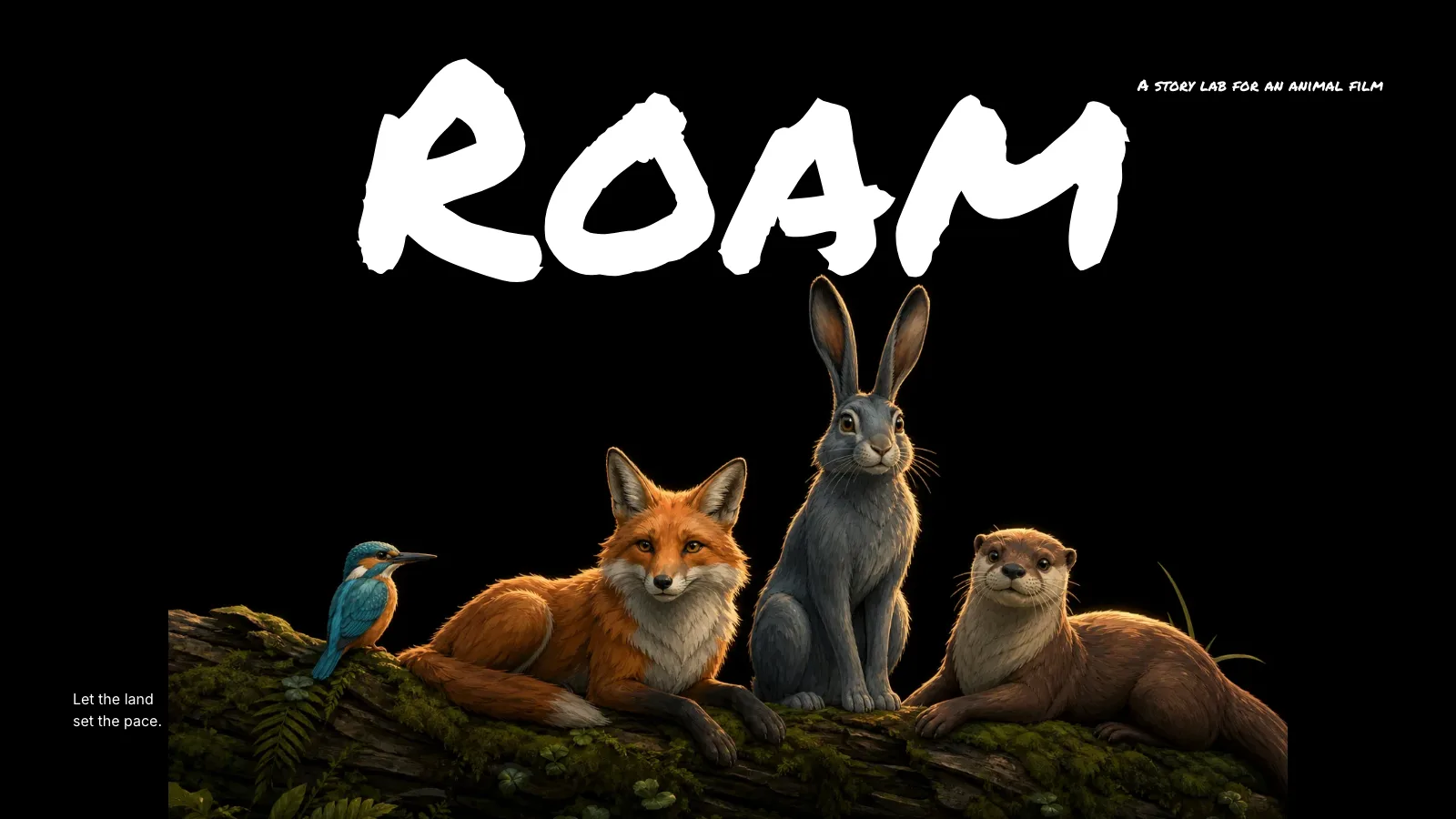
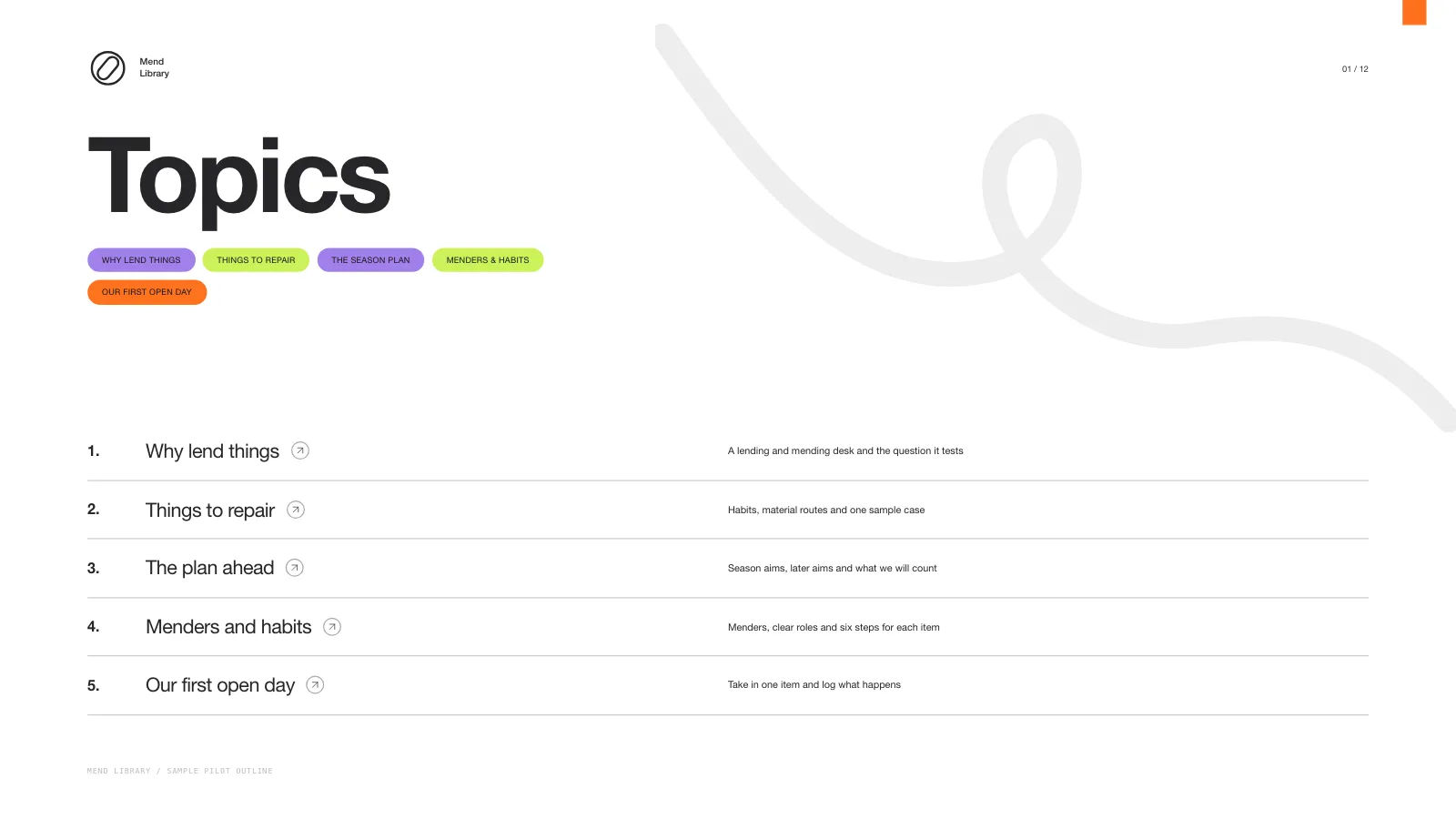
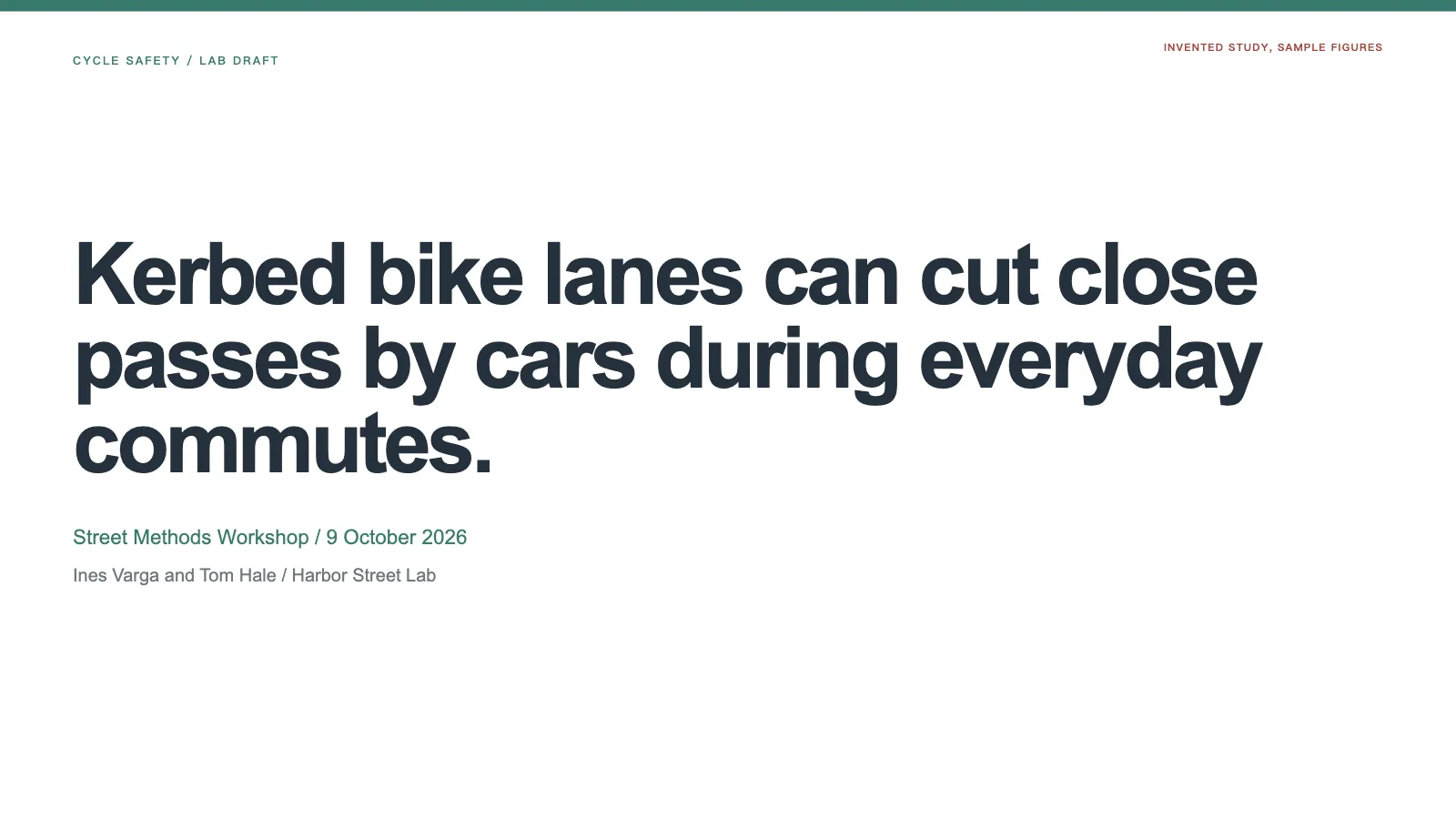
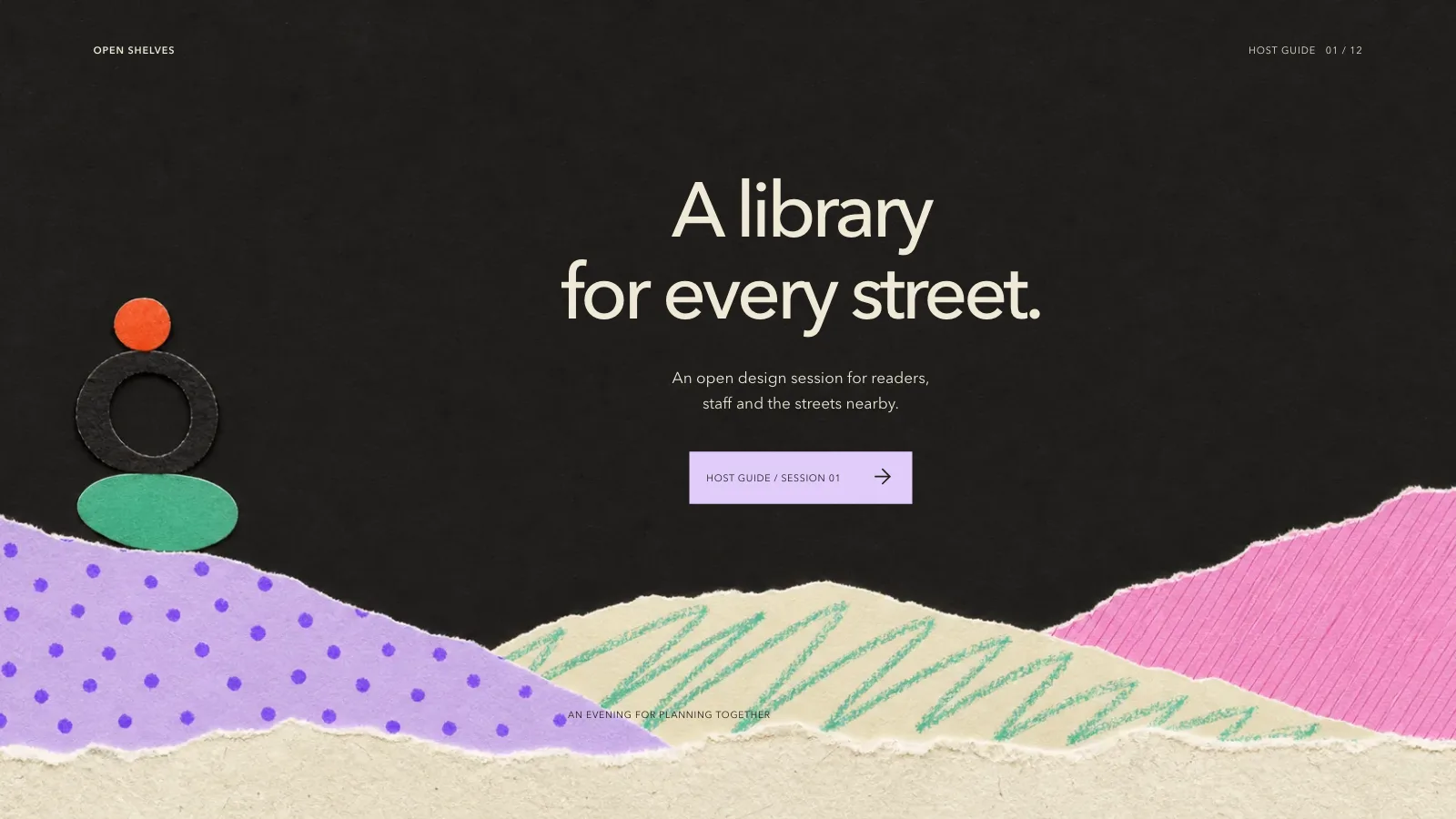
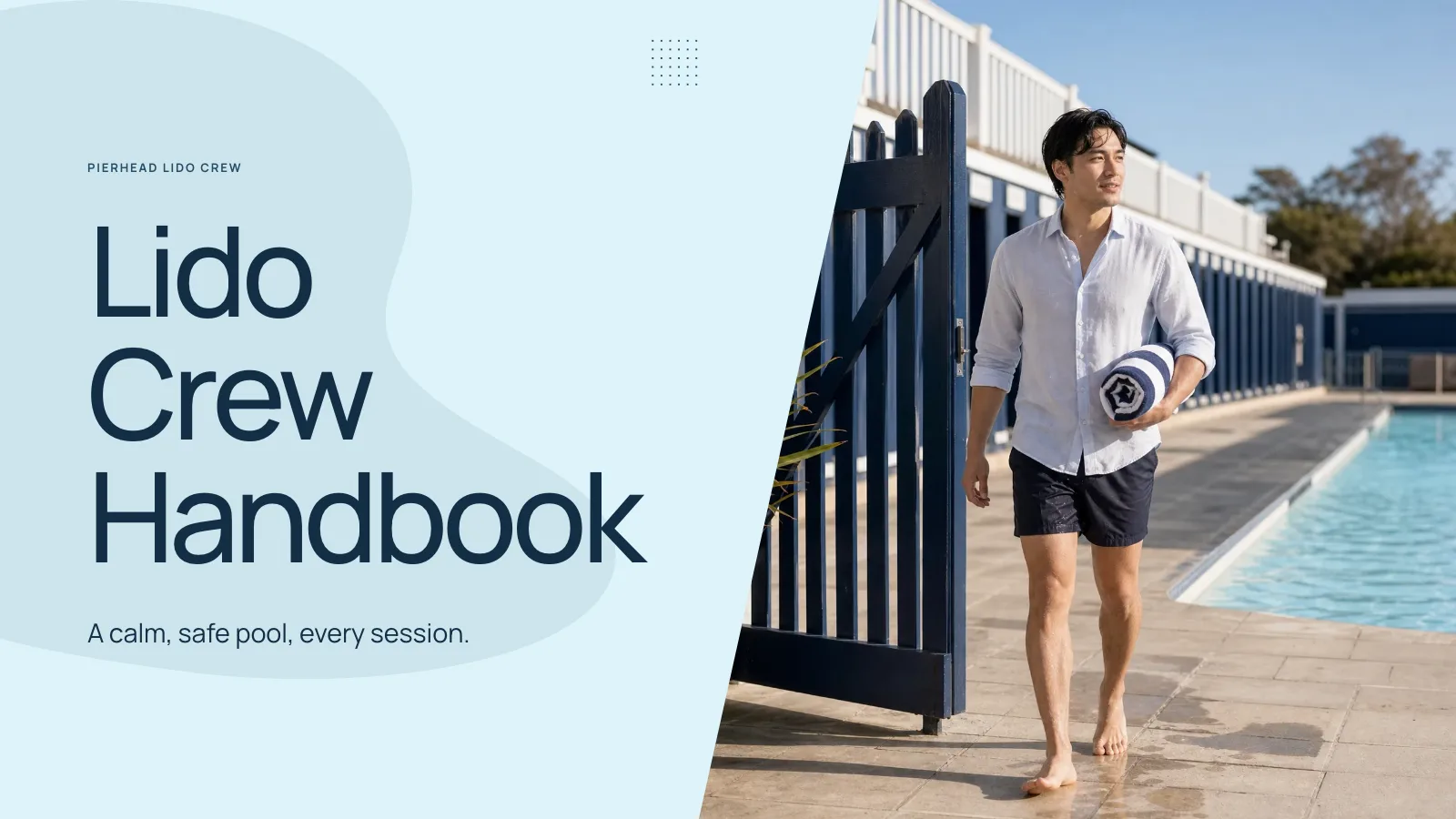
What you get
- A studio pitch deck at whatever page count you request, plus a complete sample deck showing the look
- Twelve page recipes covering covers, schedules, teams, statements, principles, experiments and endings, each with the pictures it needs
- A single offline HTML file with a page overview, presenting mode, speaker notes and pages ready to print
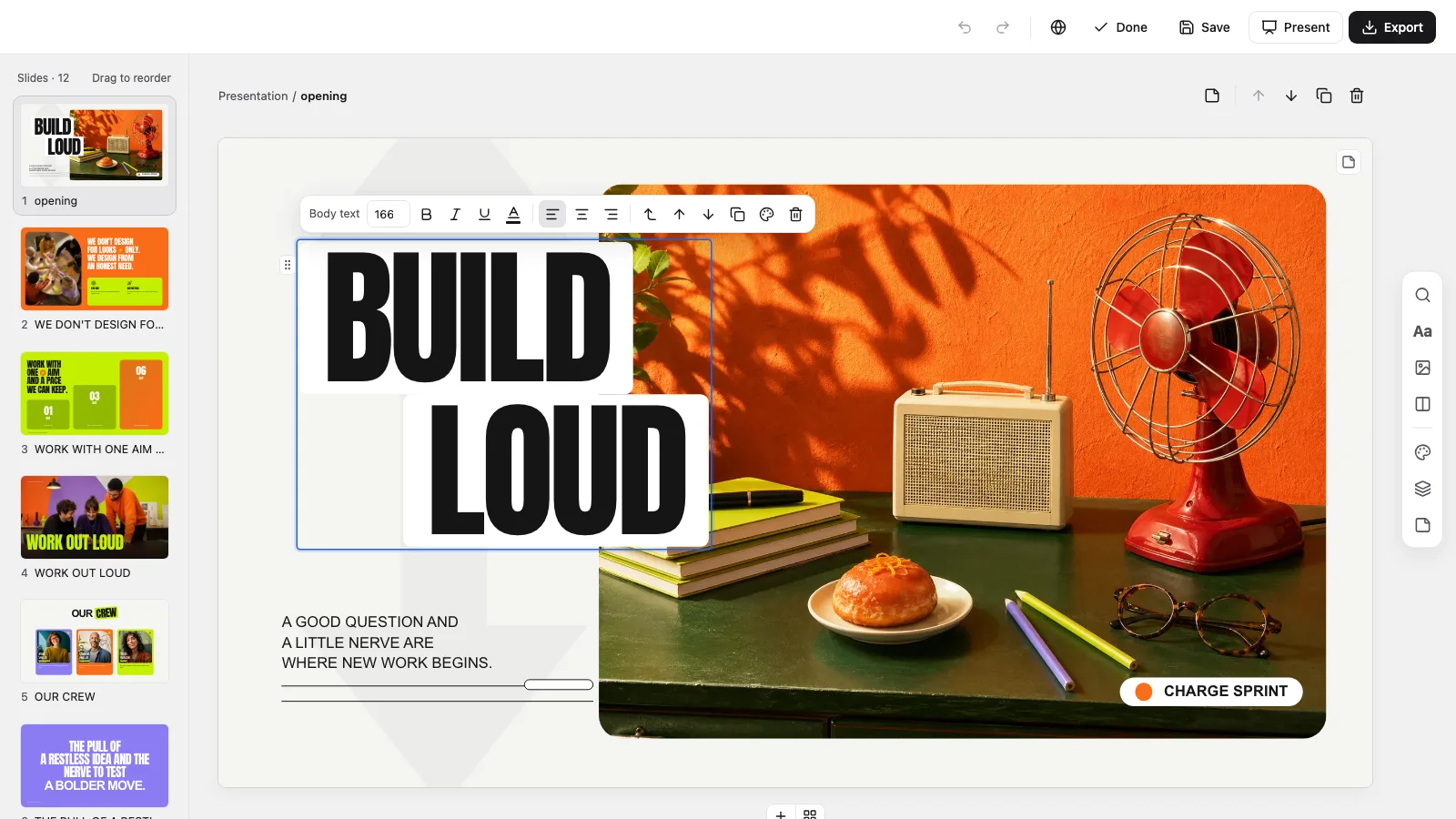
- An in-browser editor for wording, pictures, colours and page order, exporting editable PowerPoint and PDF
Good fit
- Studios and teams pitching a product discovery sprint
- Teams wanting one loud, consistent visual system over many pages
- Speakers with a clear message who know their audience
Not for
- Imitating a known artwork, a brand identity or a protected character
- Researching topics or checking claims that nobody has backed up
- Decks that need native PowerPoint shapes everywhere: text and notes export editable, but backgrounds and ornaments come over as images
About this Skill
Voltage Studio Deck is a presentation skill for Claude Fable 5 that makes a creative proposal feel switched on: fields of acid lime, hot orange and soft violet, huge ultra-condensed headings crossed by a few wide Arial words, white title patches, warm retro desk still lifes, candid team photos and profile cards with one arched photo corner. It fits discovery sprints and studio pitches that keep a steady beat. Each picture is fresh and appears on a single page, your brief sets the page count, and you can edit the whole deck in the browser before exporting PowerPoint or PDF.
How it works
- Settle the brief: subject, listeners, the facts you can back, how many pages and which language
- Give every page one job and match it to a recipe from the style kit
- Pick pictures from the style library, have new ones made for your topic, or use your own
- Compose and build, run the deck checker, open each page to test editing and presenting, then hand over the one file
Checked before delivery
- check-deck.py passes with the agreed page count and the style kit
- Every page keeps the style's colour fields, title patches, condensed headings, photo frames and card shapes
- Every text block, picture, badge and card stays independently editable
- No example text or pictures left unless the user keeps them
What you need before you start
- You bring
- Presentation topic, audience and the key messages or source material · Agreed page count and the language of the slides · Optional pictures the user has rights to, or a choice of library pictures or generated ones
- Dependencies
- You supply the subject, the audience, your sources, the page count and the language · Python 3 with a current browser; Node.js 20+ only when using library pictures or making new ones · Fresh pictures are optional and charged by your image provider; decks build fine without them
- Outside costs
- Optional FAL_KEY for generated pictures
- Last tested
- v0.1.1 — Claude Code / Codex / Cursor
User reviews
Loading reviews…
FAQ
Can I pick my own topic and page count?
Yes. The visual rules hold while the layouts and wording fit the exact number of pages you name. If you give no number, the agent suggests one from your notes and your talk length before building. The sample's twelve pages are not a default and not a cap.
Is an image generator required?
No. A deck can use labelled picture frames, the style library or pictures you already own. Making new pictures is optional, done with the image tool you prefer, and may add cost.
Can I edit it and open it in PowerPoint?
Yes. The deck comes with a built-in editor for wording, pictures, page order and colours. Export to PowerPoint, where text and speaker notes remain editable while backgrounds and ornaments arrive as images, or print a PDF.