Black-and-White Studio Portraitv1.0.1
Use this Skill to make personal visuals.
A portrait editing skill for Claude Fable 5: one photo you may edit becomes a quiet monochrome studio half portrait, side-lit and grainy, with your face and glasses held close.
Picked most often by
- Social media creator
- Photographer
- Personal style seeker
Updated Aug 25, 2026
Preview gallery
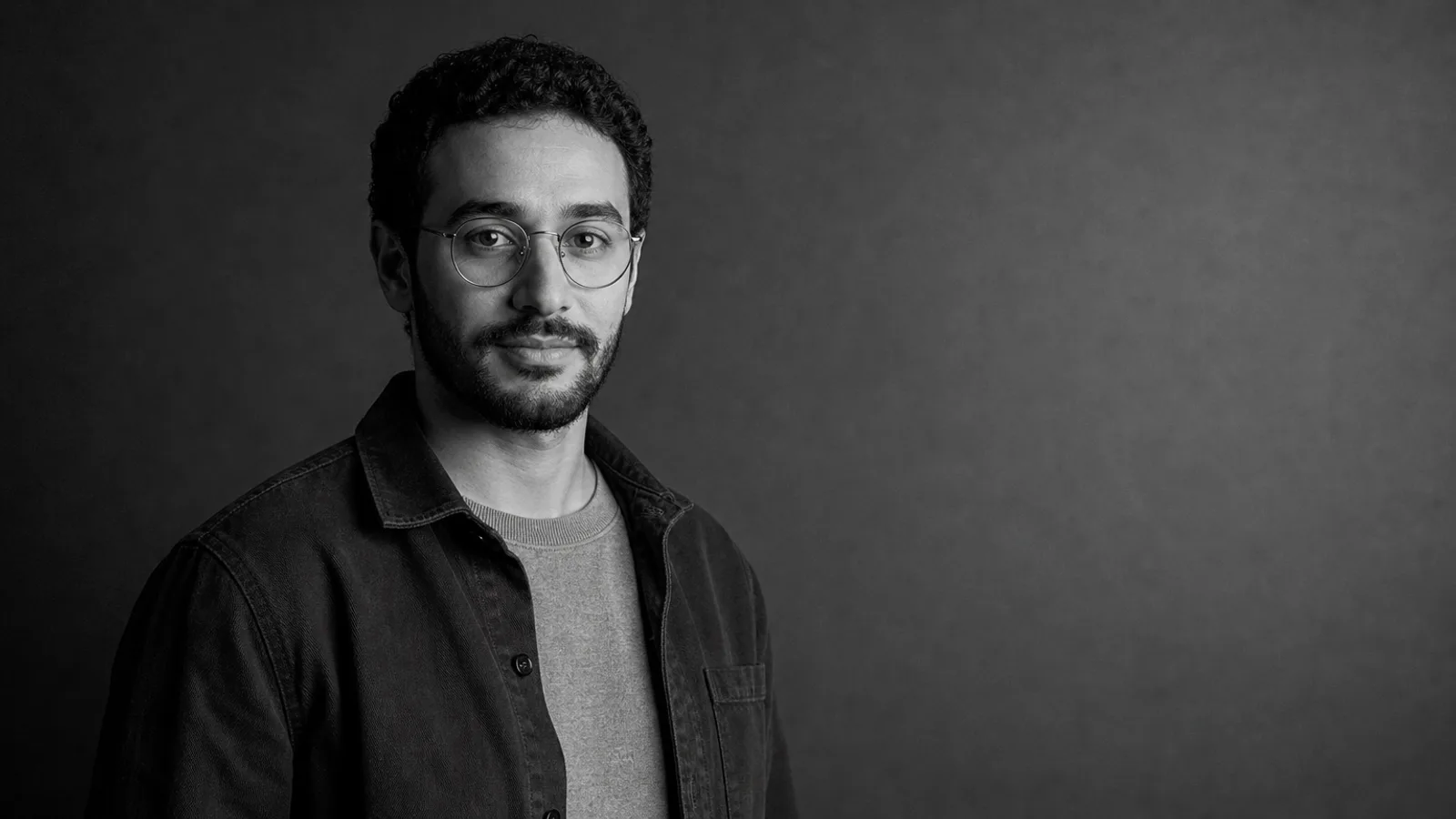
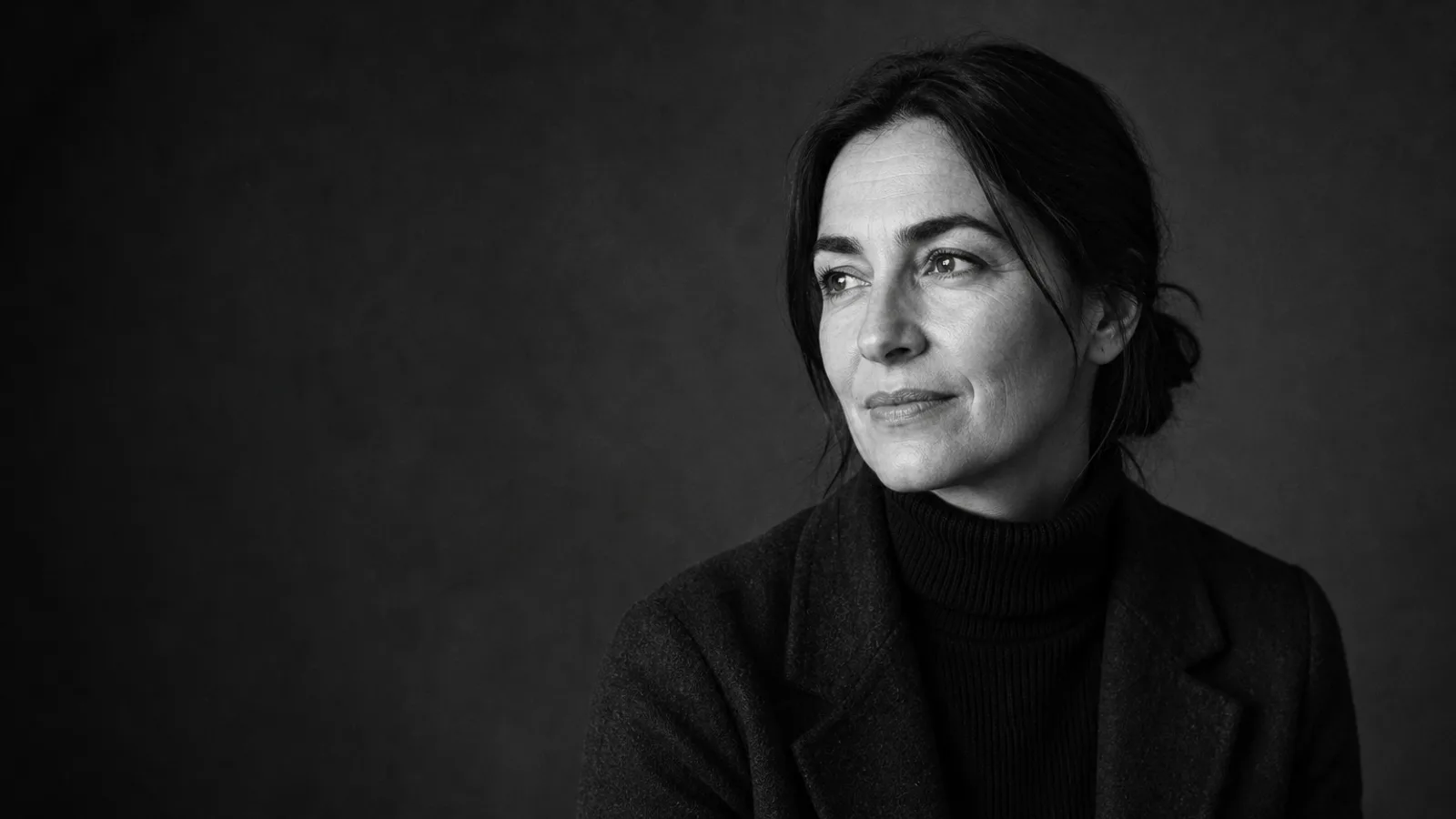
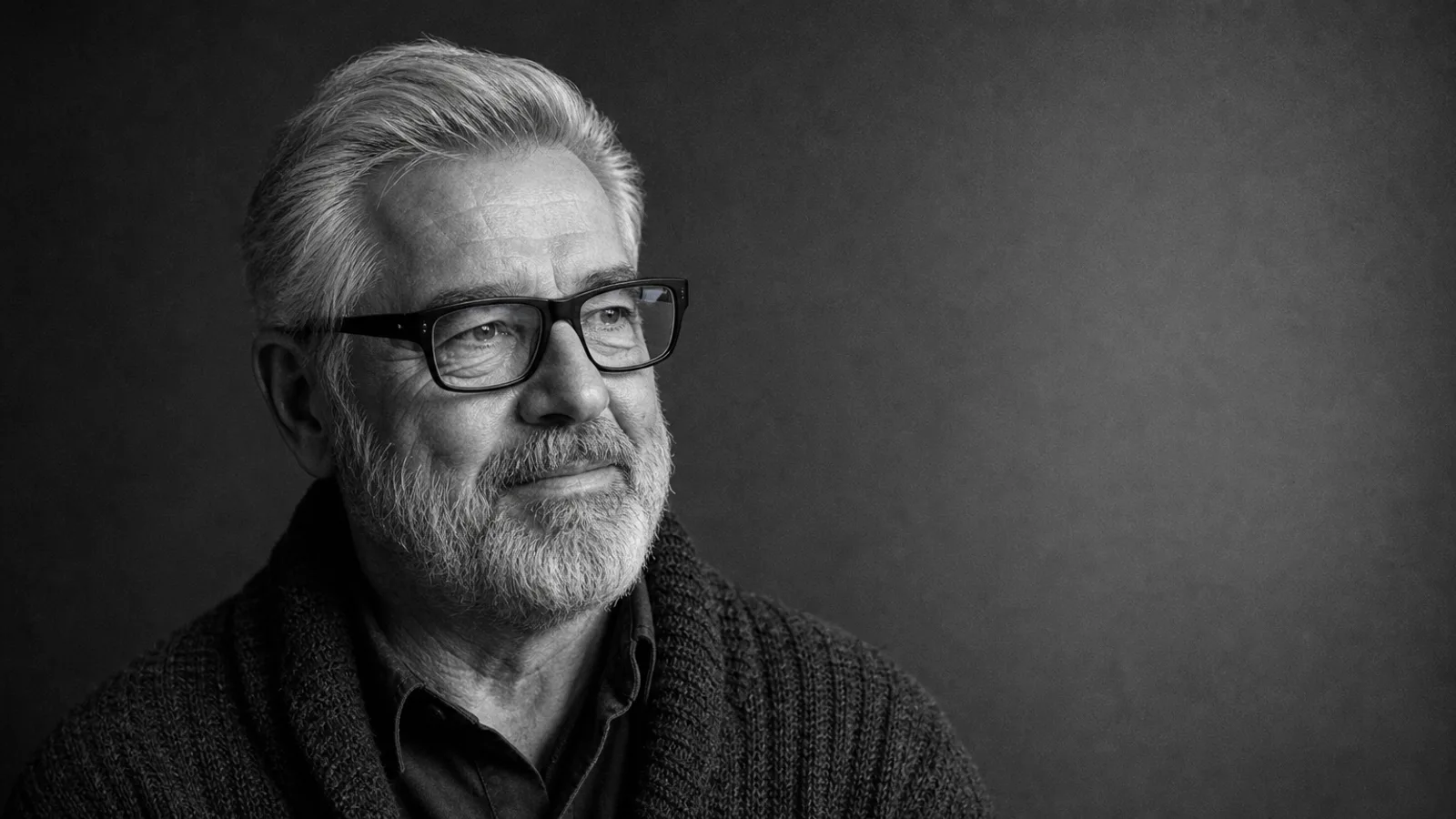


 FAL
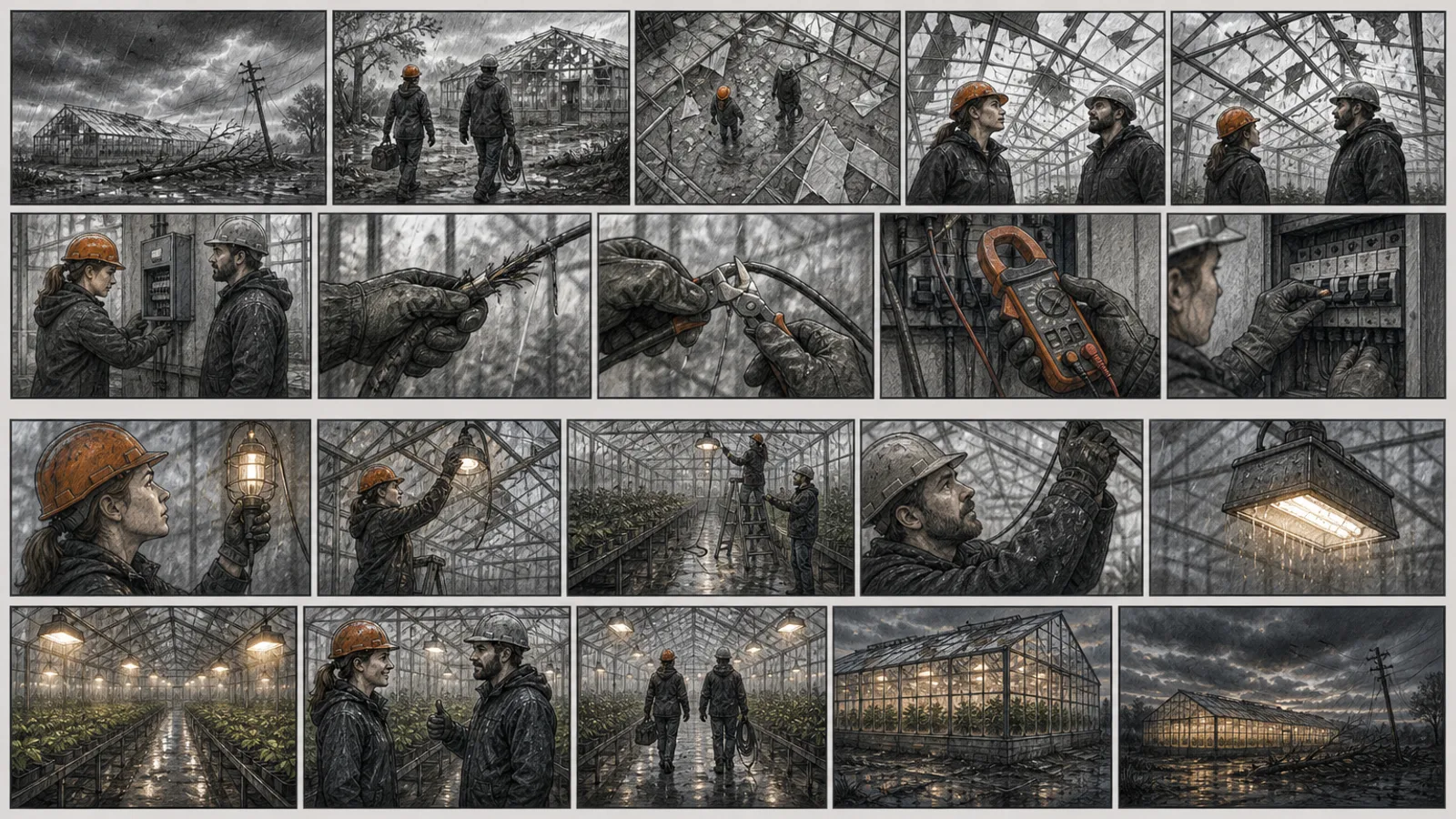
Similar Skills
View all

What you get
- One finished monochrome half portrait, a wide 16:9 WebP by default, lit softly from one side with open space planned and fine grain
- The exact edit prompt, with face details fixed first and only then the backdrop, wardrobe, crop and finish
- A glasses check that covers the frame outline, bridge, arms, fit, scale and eyes that stay visible
- A QA note comparing the edit with the source for likeness, anatomy, light, skin, grain, layout and stray lettering or logos
Good fit
- Profile pages, personal-brand sites, portfolios and social avatars that want a quieter studio feel
- Anyone after an urban-casual monochrome portrait where their face and glasses still look like them
- Photographers and creators building a matching portrait series from photos they may legally edit
Not for
- ID or passport photos, face matching, or evidence that a person was in a real studio
- People who have not agreed to the edit, or photos with unclear usage rights
- A promised exact likeness after large changes to pose, age, hair or body
About this Skill
Send one sharp photo of a person you have the right to edit, and the result reads like a studio sitting: the subject on a third line, a smooth charcoal-to-gray backdrop, a single soft key light falling from one side, unbranded urban-casual layers, real skin texture, fine film grain and a calm 35 to 50 percent of the frame left open for a headline. Before anything changes, the agent notes the visible face points and how any glasses are built, then writes one edit prompt that repeats them. It runs the edit in the host's own image tool or as one paid FAL request, and compares the result with your source before you see it.
How it works
- Check that this photo is the one to change and that the user may edit it.
- List the visible face points and, for glasses wearers, how the frame is built.
- Pick one 16:9 half-portrait layout: subject on a third, 35 to 50 percent left open.
- Write the prompt in Change, Preserve, Composition, Lighting, Constraints order and run one edit, in the host tool or on FAL.
- Compare the edit with the source, both full size and as a small thumbnail, and correct one thing at a time.
Checked before delivery
- The person stays recognisable: face anchors, expression, apparent age and any glasses match the source
- One soft light from the side, a calm charcoal-to-gray backdrop, fine film grain and 35-50 percent open space
- Natural anatomy and real skin texture, with no plastic retouching
- No text, logos, signatures, watermarks, branded clothing or a named photographer's manner
What you need before you start
- You bring
- One sharp photo of a person you have the right to edit · Where the portrait will be used, or its aspect ratio, if not the 16:9 editorial default
- Dependencies
- A FAL account with FAL_KEY, needed only when the host has no image editor of its own · Node.js 20 or later, needed for the bundled FAL helper
- Outside costs
- FAL_KEY
- Last tested
- v1.0.1 — Claude Code / Codex / Cursor
User reviews
Loading reviews…
FAQ
What kind of photo works best?
A sharp, evenly lit shot that shows the whole face, both eyes, the hairline and any glasses clearly. Asking for only a small pose change keeps the likeness far closer than inventing a body the photo never showed.
Do my glasses survive the edit?
They are handled as a separate fixed point: the frame shape, lenses, bridge, arms, how they sit and their reflections each get checked. You still review the portrait before you approve it.
Will it be an exact match of my face?
No promise of that. It aims for a likeness as close as the model can manage, never a forensic or biometric match. Bigger shifts in pose, angle, expression or how much body shows raise the chance of drift.
Is a FAL account required?
Only when your agent lacks an image editor of its own. The bundled helper runs on FAL, submits a single paid task each time, stores the request ID and does not retry by itself.