Ramp Style OG Imagev0.1.1
Use this Skill to make an OG image.
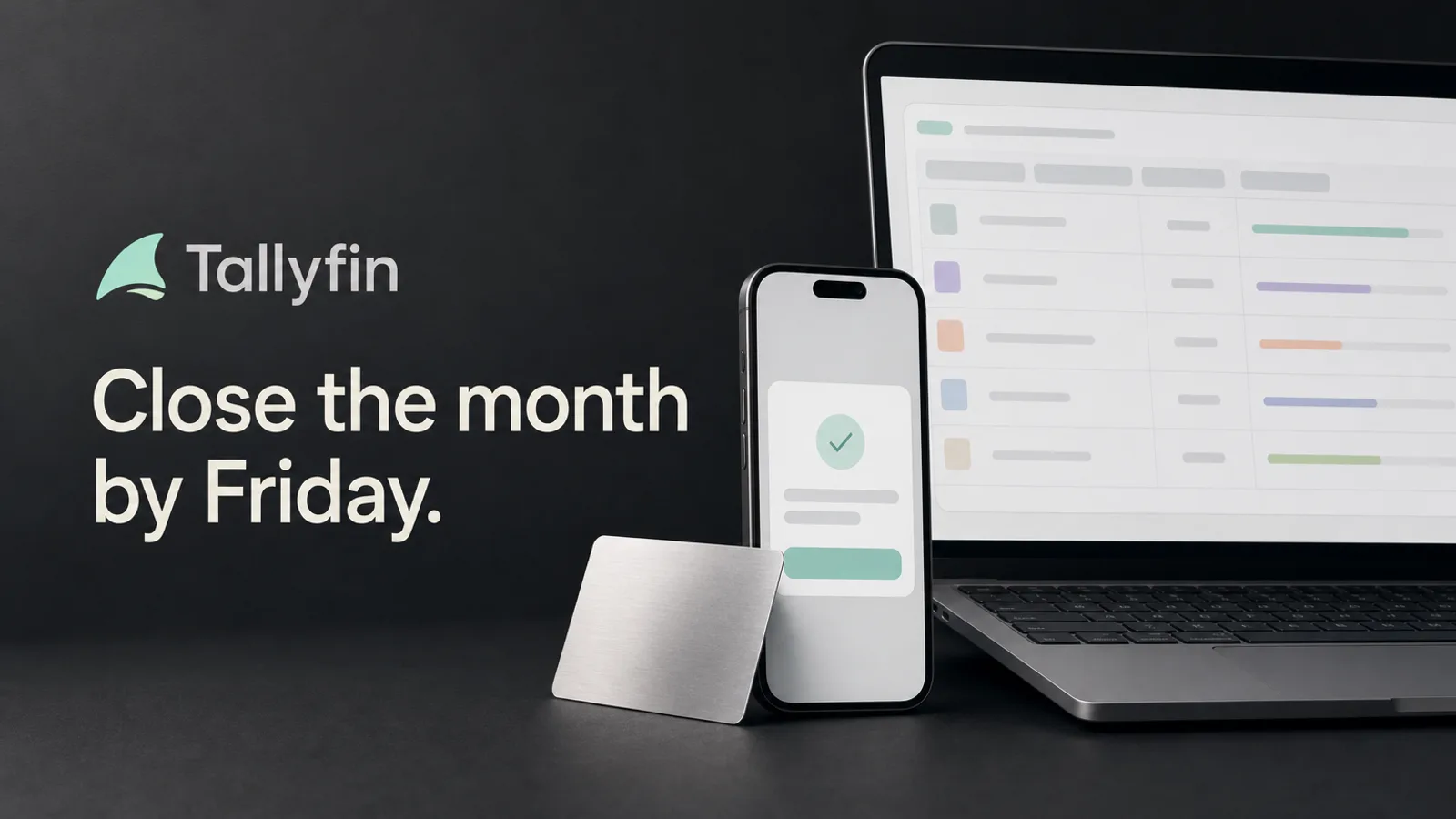
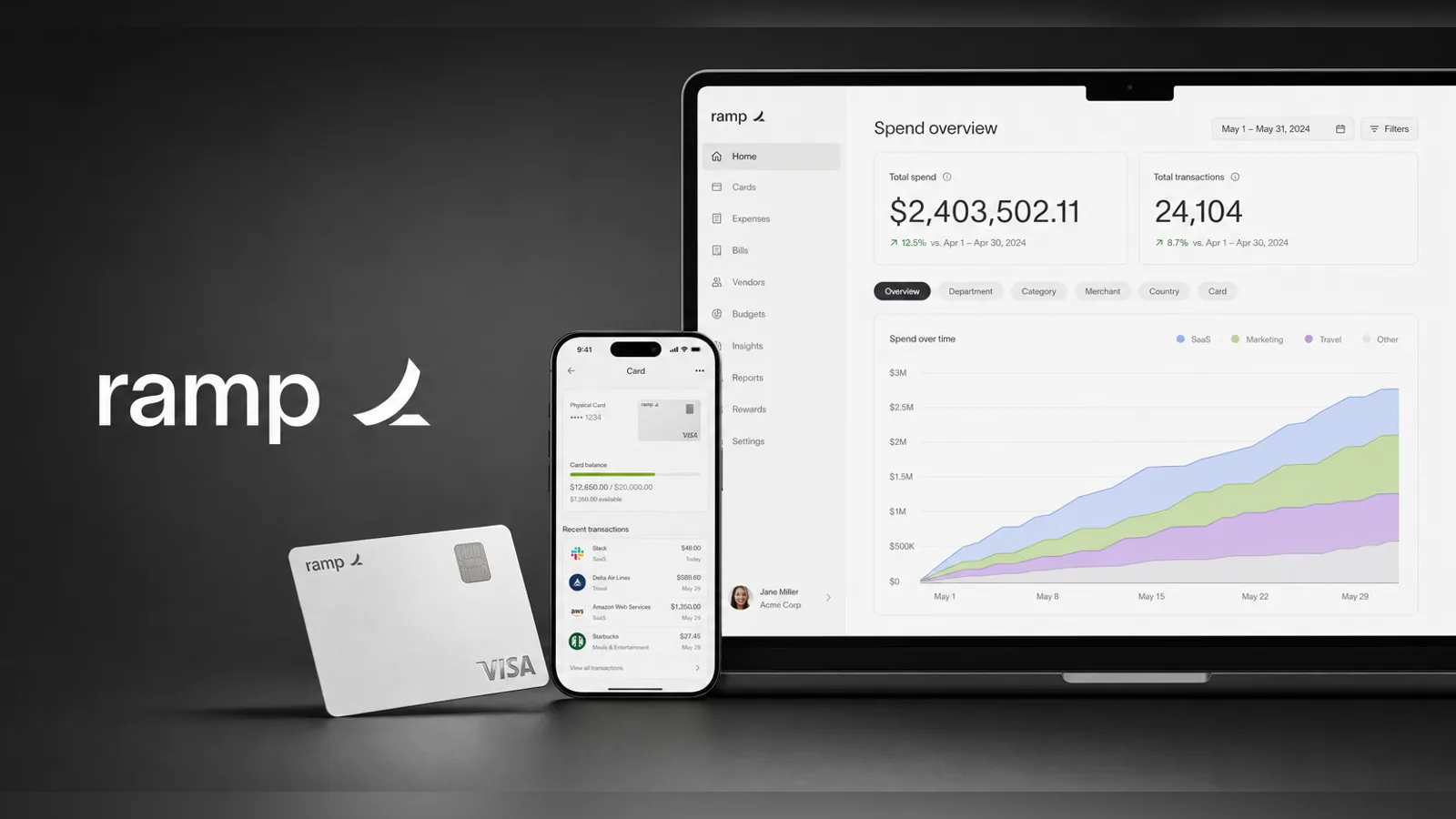
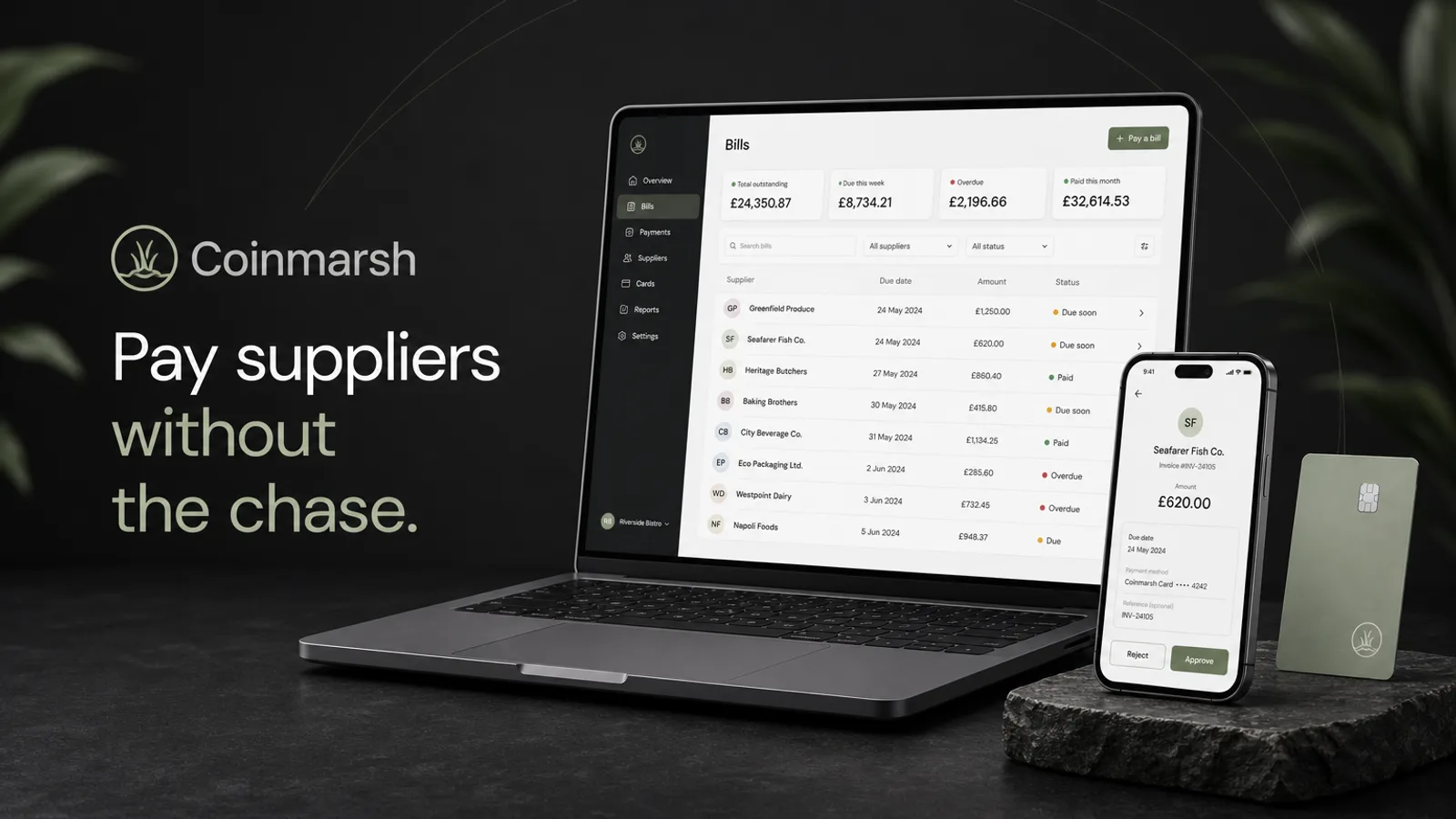
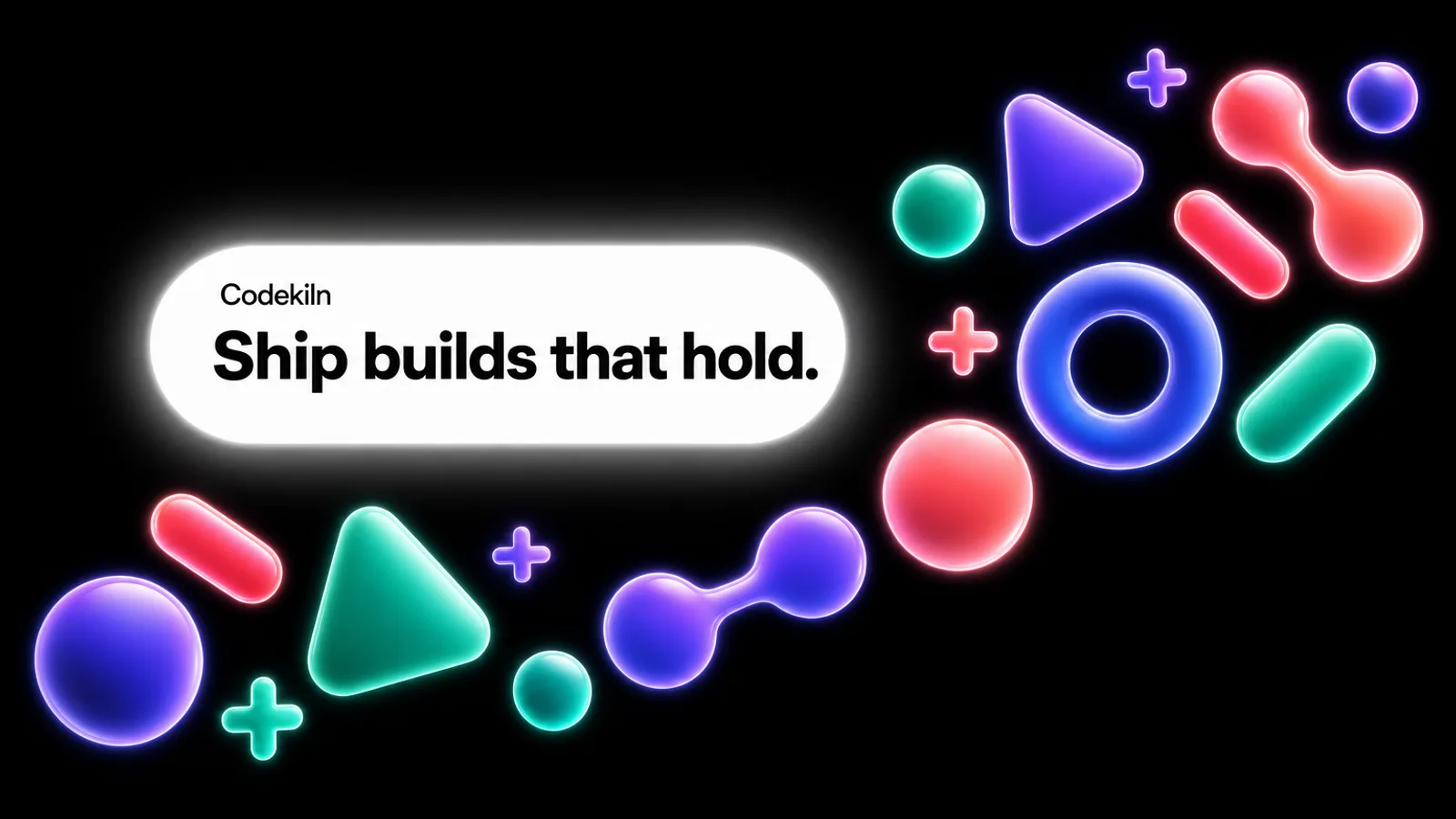
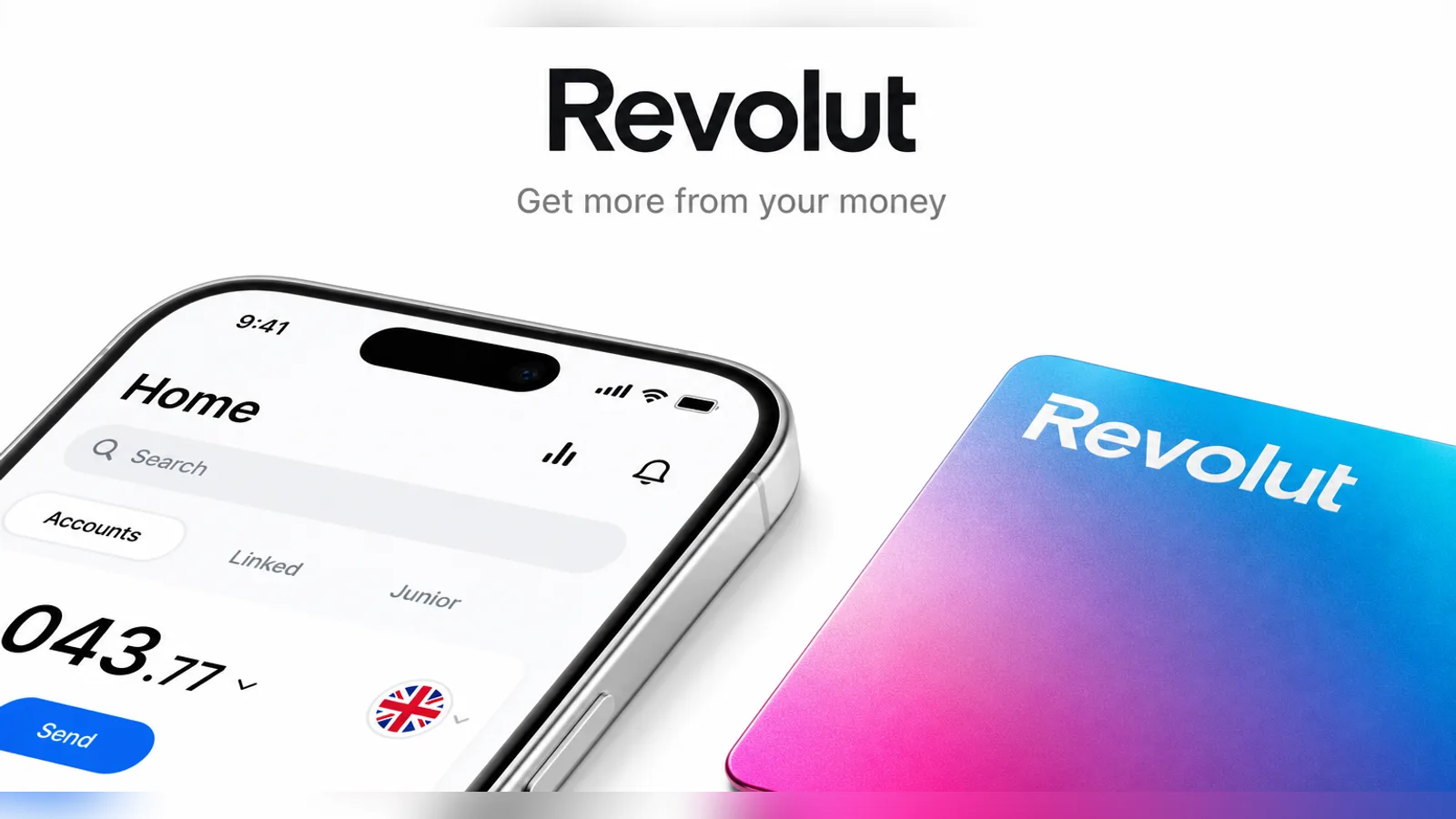
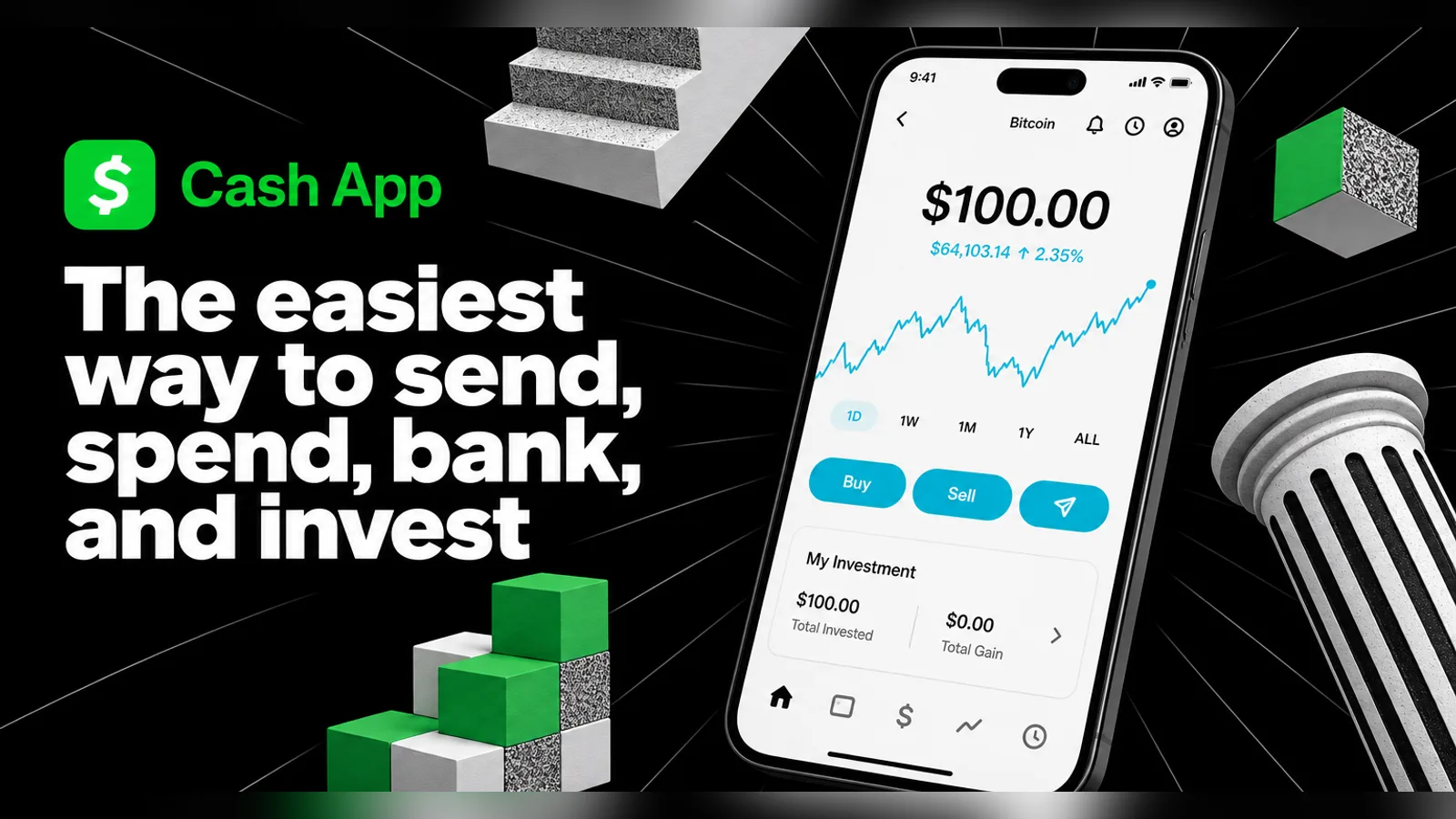
A graphite-dark share card with a sober, premium tone: laptop dashboard, phone and plain metal card stacked off the edge, a touch of mint, your wordmark opposite.
Picked most often by
Updated Oct 26, 2026
Preview gallery


 FAL
Similar Skills
View all
What you get
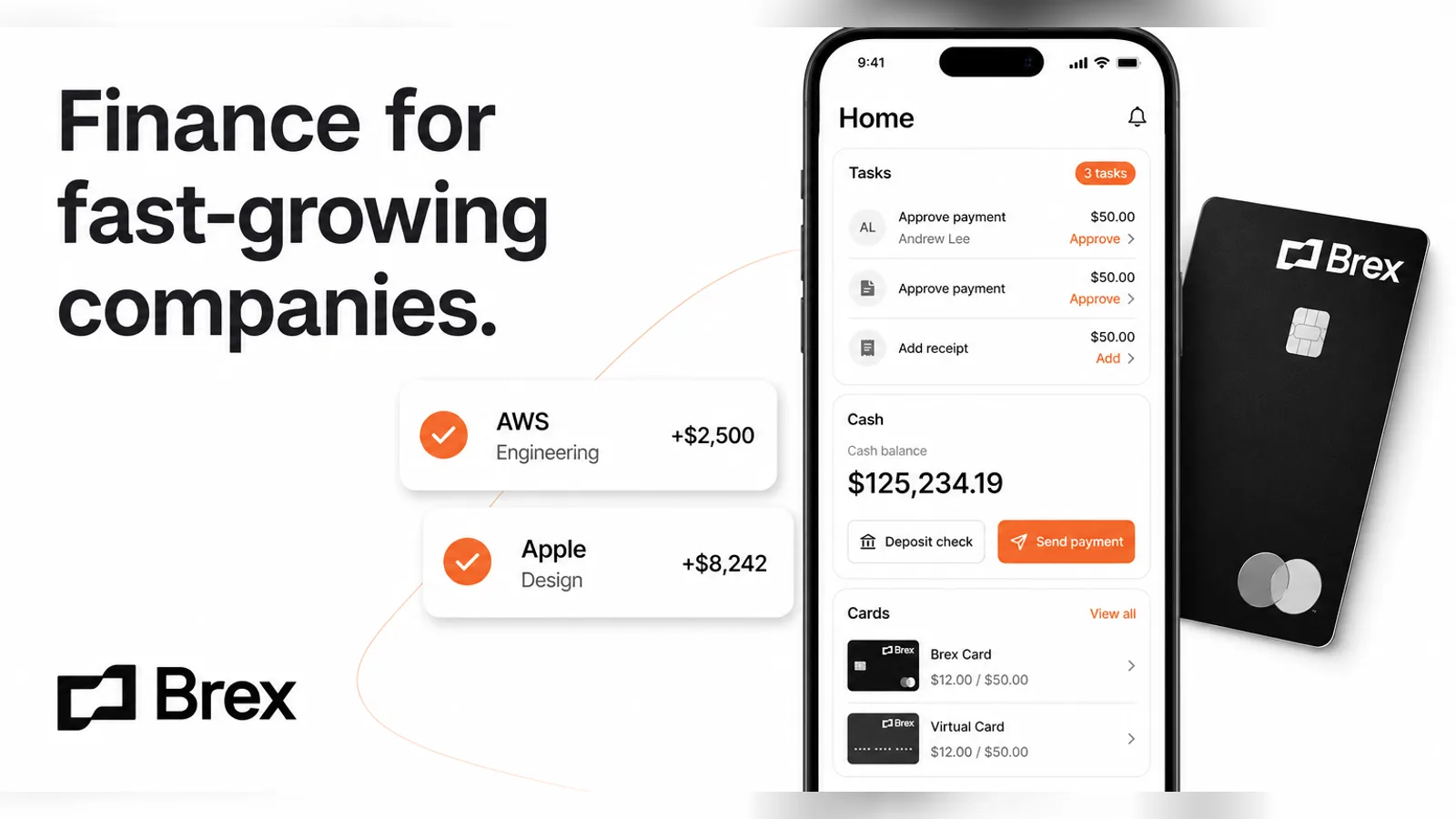
- One 16:9 WebP card with the stacked devices on graphite, your brand and headline exact
- The exact prompt it sent plus the saved FAL task file; rerunning resumes that request rather than buying a new one
- A review of spelling, the 6% safe margin and the 16:9 frame before the card reaches you
Good fit
- Spend, billing and accounting software
- Sober B2B launches that should feel premium
- Funding rounds and company updates
Not for
- Paragraphs or long copy
- Bright, playful consumer apps
- Copying a product screen that exists
About this Skill
Spend and finance products suit this OG image skill for Claude Fable 5. A dark graphite backdrop carries a light wordmark and headline on one side; on the other, a laptop open on a dashboard, a phone and a bare metal payment card overlap and run past the far edge. Color stays in small, soft touches of mint and pastel. New screens and a new card are drawn for your product, GPT Image 2 on FAL renders the 16:9 WebP, and each letter is checked first.
How it works
- Agree on the name, one headline and one picture idea; drop anything that blurs at thumbnail size
- Lay out the card from references/visual-system.md and fit your colors to its four style anchors
- Strip out outside names, marks, faces, screens and slogans, then invent the screens and the card for your brand
- Write a prompt about visible things only: frame, layout, light, palette, subject and type position
- Send one request with the bundled FAL helper and keep the task file it writes
- Read each letter, check the 6% margins and the 16:9 frame, and only then run validate-output.mjs
- If a flaw remains, propose one prompt change and wait for your OK before a second paid request
Checked before delivery
- validate-output.mjs passes with --require-format webp --require-16-9, and the prompt file has no emoji, arrows or symbol characters
- Brand and headline read correctly letter by letter, with key text and faces inside a 6% margin on every side
- Every source name, logo, slogan, person, interface and watermark is replaced by the user's own identity or a new one, and the layout is new for this subject
- Exactly one paid request per approved generation
What you need before you start
- You bring
- Brand or project name, spelled as it should appear on the card · One short headline · What the page, product or audience is · Optional: brand colors, a logo the user may use, a mood, owned reference images, a platform safe zone
- Dependencies
- Node.js 20+ to run the included FAL script · Your own FAL API key, set as FAL_KEY; FAL charges for each image
- Outside costs
- FAL_KEY
- Last tested
- v0.1.1 — Claude Code / Codex / Cursor
User reviews
Loading reviews…
FAQ
Can the screens show my own dashboard?
The screens and card are drawn new for your product, not copied from a real interface. Your name, headline, colors and any logo you may use lead the card, and the company behind the style's name contributes nothing.
Can it work from an image I already have?
If the image is yours or you may use it, yes. Hand it over with --reference and GPT Image 2 runs in edit mode instead. Only mood, color and layout are taken from the picture; nothing in it is reproduced on the card.
Is there a cost beyond the Skill?
Yes: FAL bills every image to your own account. The helper never retries by itself, and running the same command again only picks up the saved request, so checking on a slow job never pays for a second one.