Engraved Essay Coverv1.0.1
Use this Skill to make article illustrations.
A cover art skill for Claude Fable 5: it finds the one claim in your essay and draws it as a single surreal black-ink engraving, text-free and 16:9.
Picked most often by
Updated Aug 25, 2026
Preview gallery
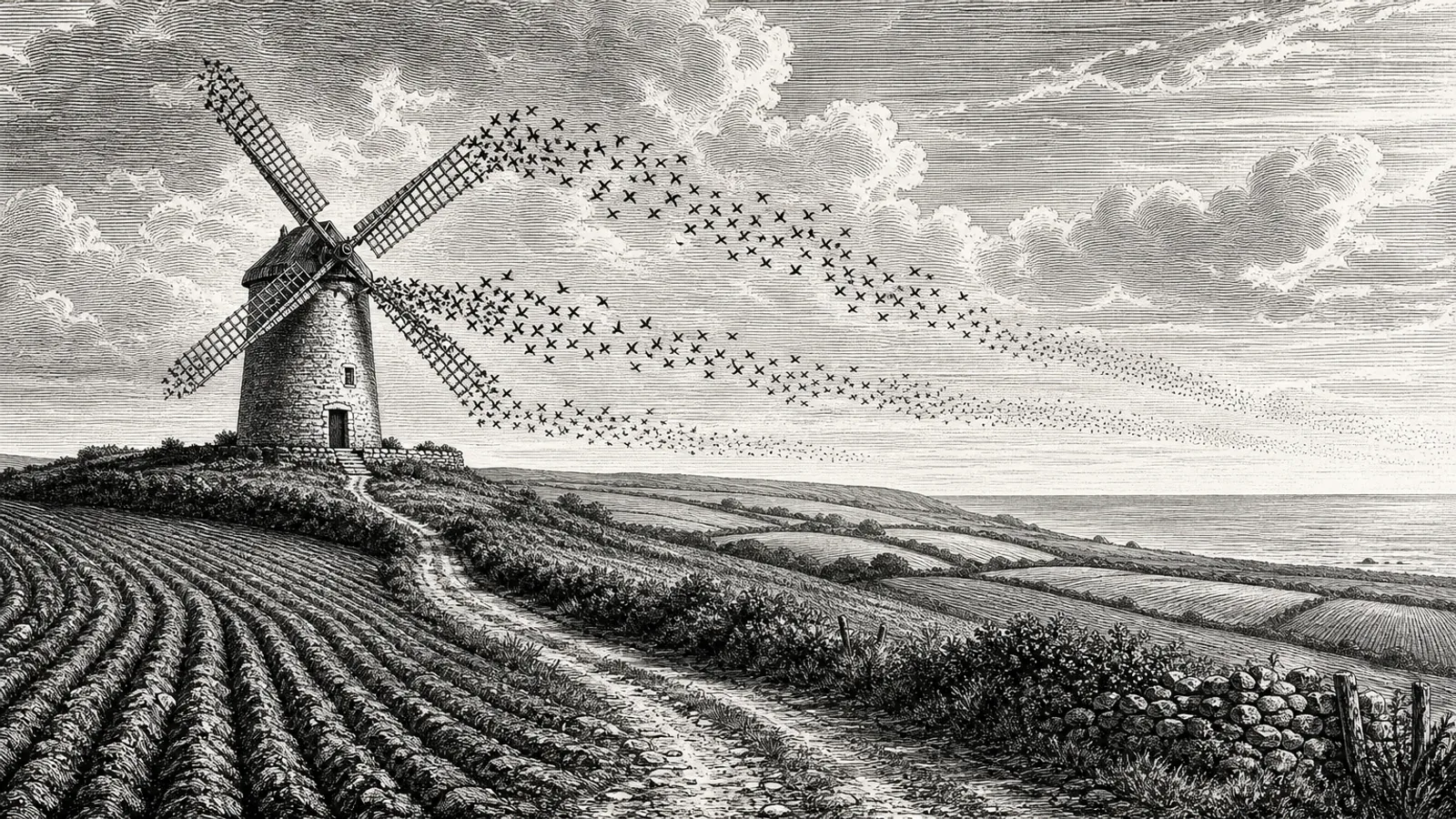
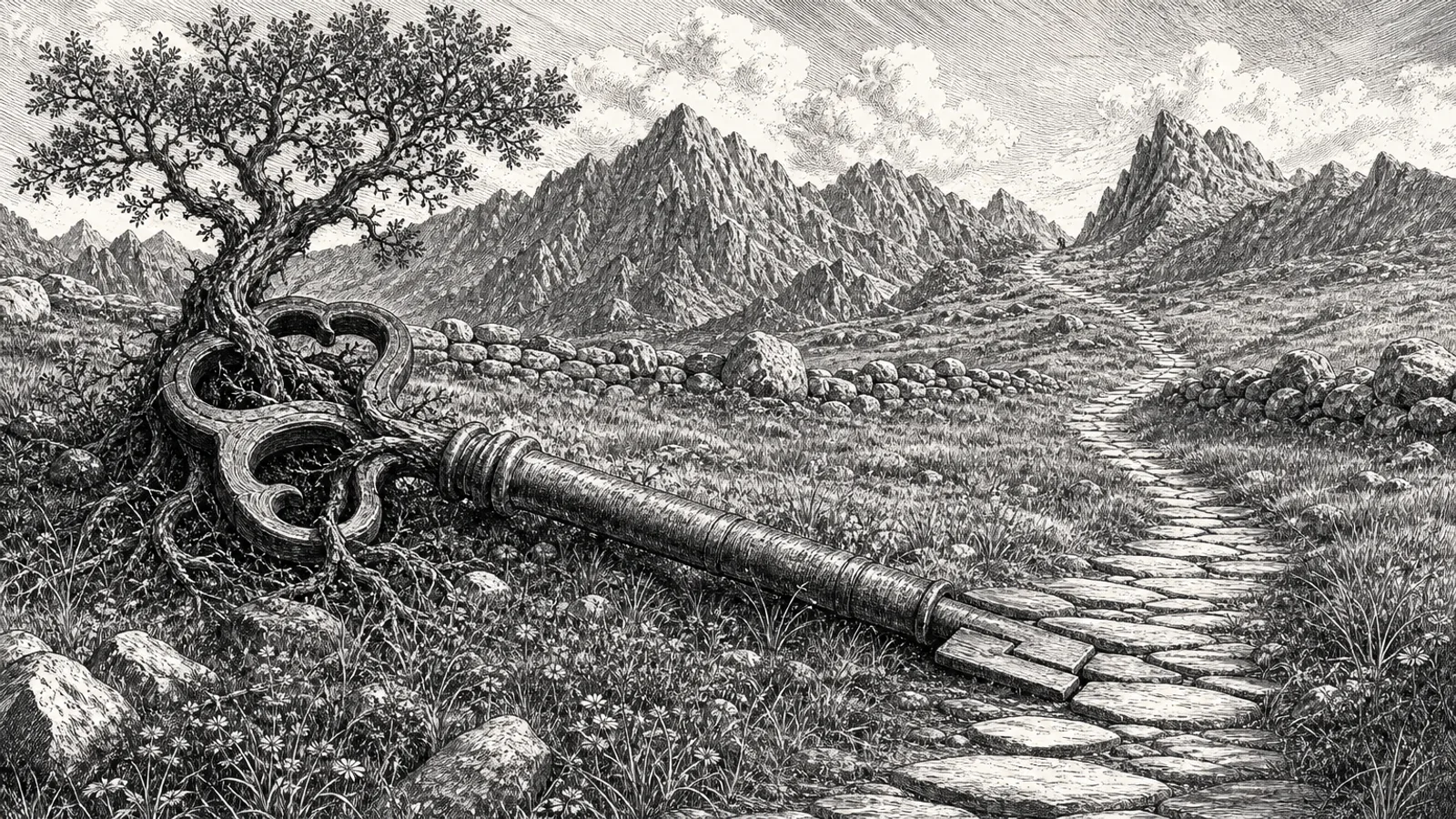
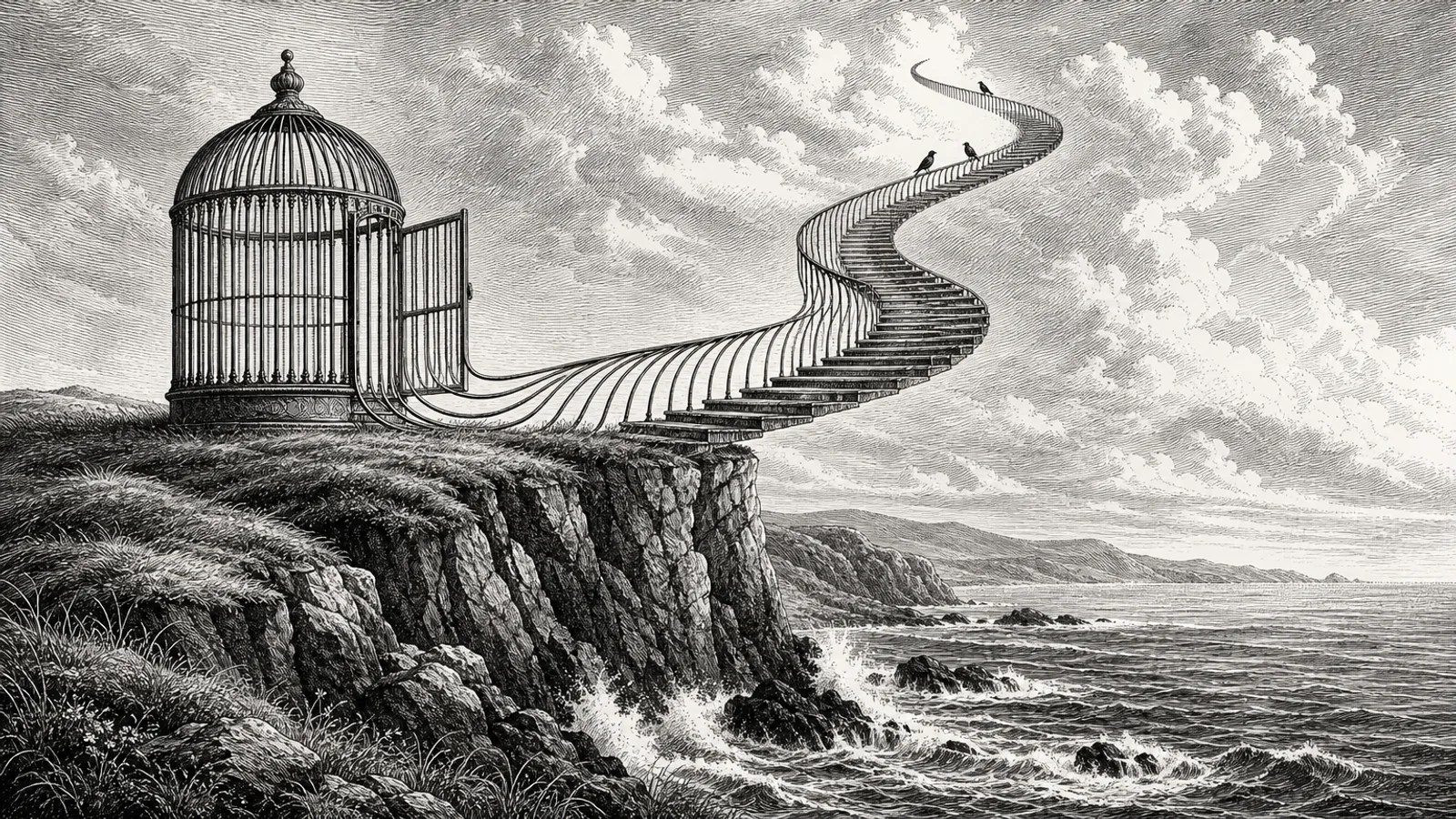


 FAL
Similar Skills
View all
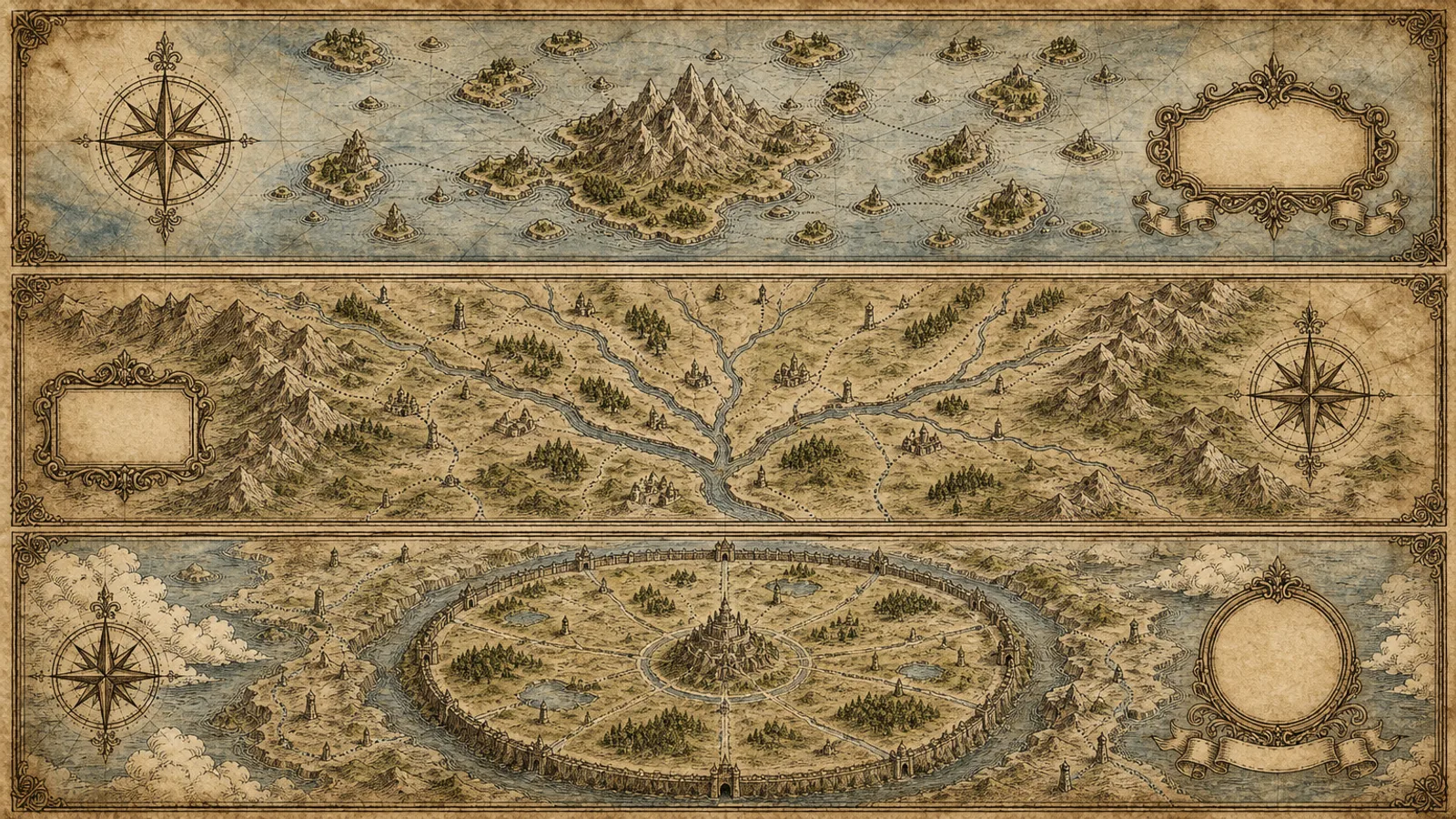
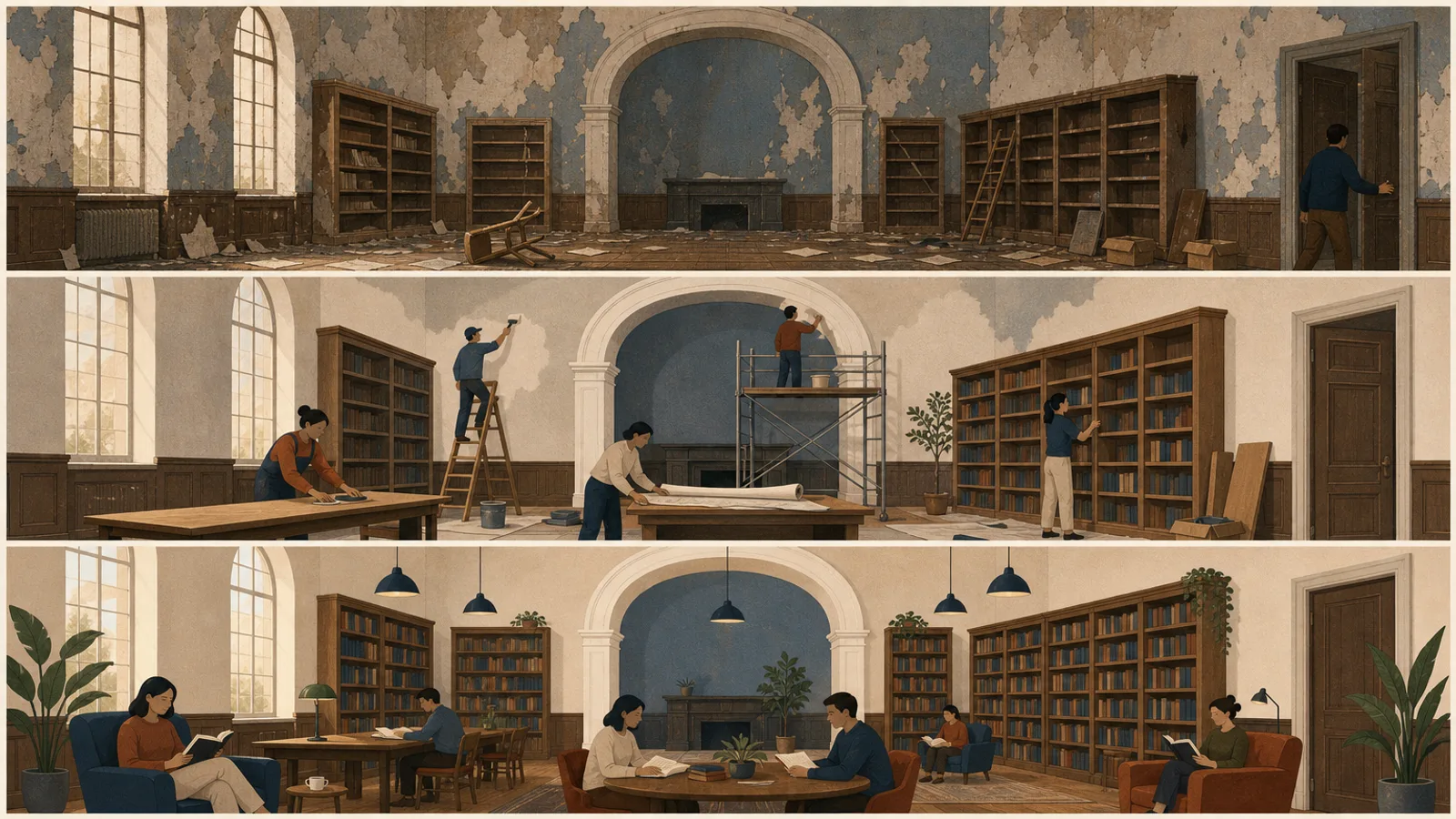
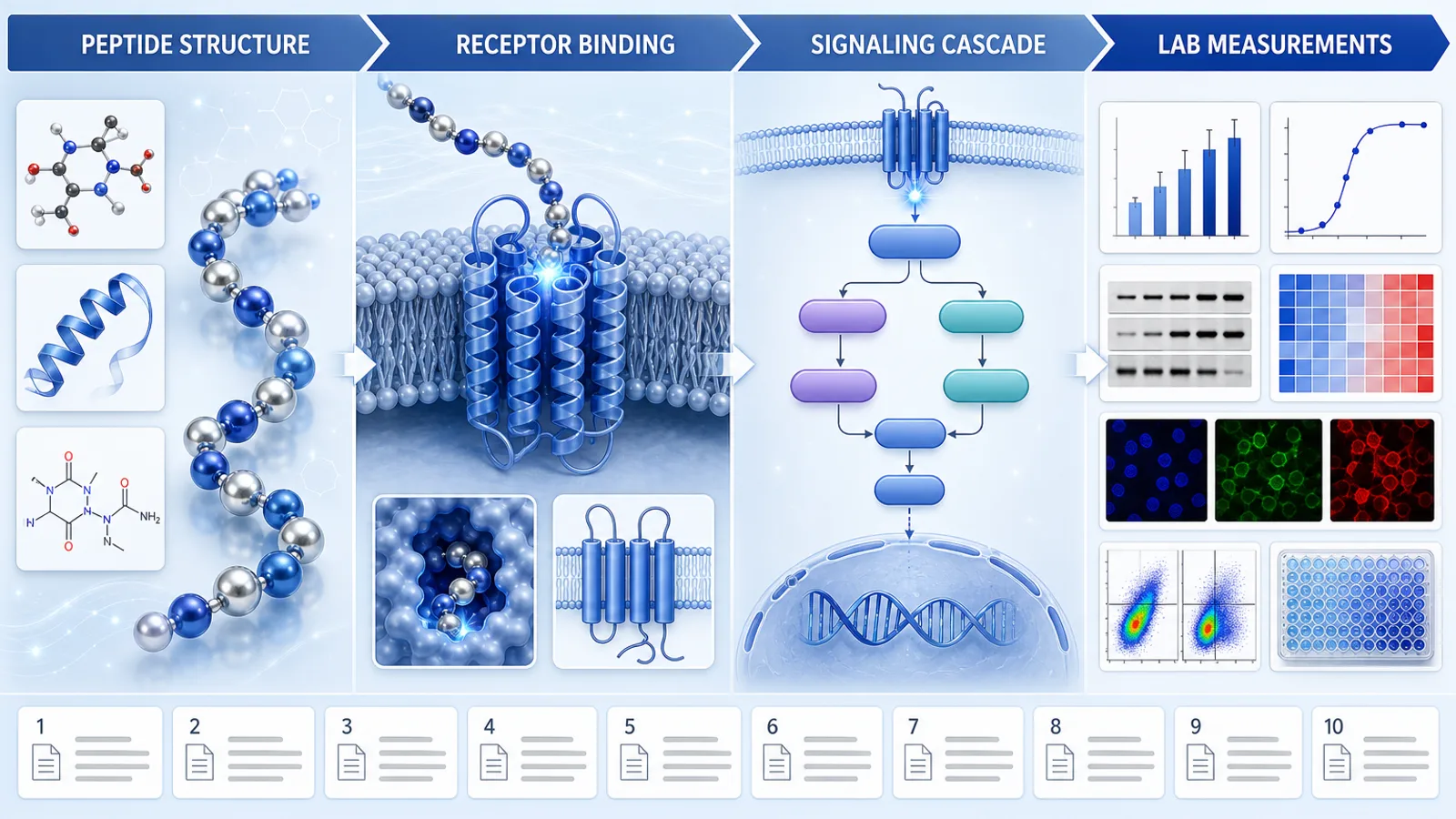
What you get
- A 16:9 WebP cover in engraved black ink, one connected scene with no words, letters or logos, and at most three main forms
- An allegory built from one concrete hero object, one physically impossible change and two or three small supporting signs
- Three sign-offs before anything is paid for: how the article was read, the allegory itself and the final brief
- The saved prompt, the FAL task record, a QA note and one or two sentences tying the picture to your thesis
Good fit
- Essays, opinion columns and strategy pieces where one central idea deserves a memorable picture
- Publications that want a recognizable monochrome cover look in place of stock photos
- Writers who prefer to approve the concept in words before paying for an image
Not for
- Color, photographic, painted, cartoon or 3D cover art of any kind
- Imitating a named artist or studio, or rebuilding an engraving that already exists
- Covers that need the headline, a logo or other copy lettered inside the image
About this Skill
Essayists and editors get one finished cover: a 16:9 WebP, 1280×720 by default, drawn like a black-and-white etching with one off-center subject in a scene that runs to every edge and carries no lettering. Before any credits are spent, the agent walks you through three gates: its reading of the article (subject, thesis, mood, things to draw), the visual argument (a hero object and the impossible change it undergoes), and the full render brief. Only a reply of GENERATE sends the single paid FAL request.
How it works
- Hand over the full article or a solid draft, with any motifs or moods you want included or kept out.
- Confirm the editorial reading: the subject as one noun, the thesis as one sentence, a single register and a few drawable things.
- Sign off on the allegory: which hero object, how it changes impossibly, the setting and the cues that tie left to right.
- Answer GENERATE to the render brief; the script sends exactly one paid request and keeps its task record on disk.
- Look at the cover full size and at thumbnail size, and request one targeted fix if something is off.
Checked before delivery
- One continuous scene reaches every edge, with drawn content across about 80 percent of the width or more
- At least two continuity cues cross the middle band and every large black area is a named part of the scene
- No words, letters, numerals, logos, signatures or watermarks, and no more than three main forms
- The file is a WebP that is exactly 16:9 and still looks finished with no headline on it
What you need before you start
- You bring
- The full article, or a draft detailed enough to carry its argument
- Dependencies
- Your FAL account and FAL_KEY · Node.js 20 or later for the scripts
- Outside costs
- FAL_KEY
- Last tested
- v1.0.1 — Claude Code / Codex / Cursor
User reviews
Loading reviews…
FAQ
Does it copy a known engraver or illustrator?
No. It works from general printmaking traits such as hatching direction, line weight and stark contrast. Living artists, studios and existing engravings are never named as shortcuts or rebuilt, and your reference images are never layouts to copy.
Where does my title go?
Nothing is lettered into the image. If you ask for headline room, the agent takes it from a naturally quiet part of the scene, like sky, still water, mist or a wall, never a black slab or an empty panel, and you add the words in your own layout tool.
What happens if I change my mind halfway?
Each gate reopens the ones after it. A new hero object or composition sends you back to the visual argument, while a change to the render wording only reopens the brief. Silence never counts as approval, and no paid call goes out before GENERATE.
Which service draws the cover, and what does it cost?
The bundled script sends the approved brief to FAL with your FAL_KEY; each task uses paid credits. The task record is written before waiting, and a submission with an unclear outcome is never sent twice.